Cilostazol (Cilostazol tablets) – Patient Information for Australia
Cilostazol is a medicine used to help improve symptoms caused by reduced blood flow to the legs. It works by affecting platelets and blood vessels, helping blood flow more smoothly and supporting walking ability in people with certain circulation problems.
This information is designed to be patient-friendly and practical. It explains what cilostazol does, how it works in the body, how it is typically taken, important safety considerations, and how to manage daily use.
Key product details
| Item | What to know |
|---|---|
| Medicine name | Cilostazol |
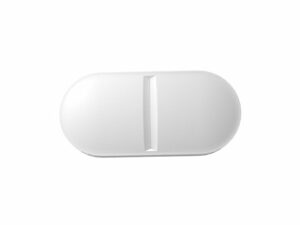
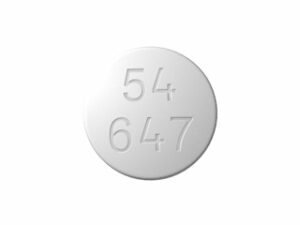
| Common form | Tablets |
| Typical dose frequency | Often twice daily |
| Main benefits | Helps improve walking distance and leg symptoms in intermittent claudication (poor circulation) |
| How it works | Antiplatelet + blood-vessel effects (increases cAMP in platelets; causes vasodilation) |
| Who it’s for | Adults with intermittent claudication (a symptom of peripheral arterial disease) |
| Common side effects | Headache, diarrhoea, dizziness, palpitations |
What is cilostazol used for?
Typical use: intermittent claudication (pain or cramping in the legs when walking due to peripheral arterial disease). Cilostazol can help:
- Increase the distance you can walk before pain starts
- Improve walking speed and overall mobility
- Reduce symptoms related to reduced blood flow
It is important to note that cilostazol is a symptom-relief medicine. It does not replace lifestyle changes or cardiovascular risk management (such as stopping smoking, managing cholesterol, blood pressure, and diabetes).
Mechanism of action (how cilostazol works)
Cilostazol works through several linked mechanisms that support blood flow:
- Antiplatelet effect: It helps reduce platelet aggregation (clumping). This makes blood less likely to form clots that could worsen circulation.
- Vasodilation: It relaxes blood vessels, helping improve blood flow to working muscles.
- Increased cAMP in platelets (and related effects): Cilostazol inhibits platelet activation pathways, which contributes to both its antiplatelet and vessel-related actions.
Because of these effects, cilostazol can improve exercise tolerance in intermittent claudication.
Pharmacokinetics (how the body handles cilostazol)
Pharmacokinetics explains how cilostazol is absorbed, distributed, metabolised, and eliminated.
- Absorption: Cilostazol is absorbed after oral administration. Food can affect the rate and extent of absorption (see food interactions below).
- Distribution: It distributes into body tissues; protein binding occurs (meaning it largely travels in the bloodstream attached to proteins).
- Metabolism: It is metabolised in the liver, mainly involving CYP enzymes (important for drug–drug interactions).
- Elimination: Metabolites are excreted primarily via the kidneys (urine) and also through other routes.
- Half-life: Cilostazol has a relatively short-to-moderate half-life, which is one reason it is often taken more than once per day.
Clinical implication: Because metabolism and clearance vary among people (especially with liver/kidney impairment and certain interacting medicines), dosing decisions and monitoring should be individualised.
When to take cilostazol (timing and routine)
Many people take cilostazol twice daily at roughly 12 hours apart to keep the level of medicine stable.
- Consistency matters: Try to take it at the same times each day.
- Missed dose: If you miss a dose, take it when you remember unless it’s close to the time of the next dose. Do not double up.
- Starting improvements: Some people notice benefit within days, but meaningful symptom changes can take several weeks. Continue lifestyle measures during this time.
- If symptoms worsen: Seek medical advice—especially if you experience chest pain, severe breathlessness, or symptoms of bleeding.
Food interactions
Cilostazol absorption can be affected by food. In many cases, the medicine can be taken with or after food to improve tolerability.
Practical guidance:
- Follow the instructions on the product label and your healthcare professional’s advice.
- If you experience stomach upset, taking cilostazol with food may help.
- Avoid changing your eating pattern drastically right when starting treatment, since it may affect symptom control.
If you’d like, tell us what time you usually eat and we can suggest a simple schedule that fits your routine (without changing prescribed directions).
Alcohol interactions
Alcohol can increase the risk of side effects such as dizziness, headaches, and stomach irritation. It may also worsen cardiovascular symptoms in some people.
- Moderation is recommended: If you drink alcohol, keep it moderate and monitor for dizziness or palpitations.
- Avoid binge drinking: Higher alcohol intake increases dehydration risk and may intensify light-headedness.
- If you have liver problems: discuss alcohol use with your healthcare professional, as both cilostazol metabolism and alcohol affect the liver.
Medicine interactions (important)
Cilostazol can interact with other medicines. These interactions may change cilostazol levels, increase bleeding risk, or affect the heart.
1) Strong CYP inhibitors
Cilostazol is metabolised via liver enzymes (including CYP pathways). Medicines that strongly inhibit these enzymes may raise cilostazol levels and increase side effects.
- Examples of strong inhibitors can include some antifungals (e.g., certain azoles) and some antibiotics (depending on the specific agent).
Action: Always inform your healthcare professional and pharmacist about all medicines and supplements you take.
2) Strong CYP inducers
Certain medicines can speed up cilostazol metabolism, possibly reducing its effectiveness.
- Examples may include some treatments for epilepsy or tuberculosis (agent-specific).
3) Antiplatelet and anticoagulant medicines
Cilostazol affects platelet function. Using it together with other medicines that affect bleeding can increase bleeding risk.
- Examples include aspirin (at various doses), clopidogrel, warfarin, and newer oral anticoagulants (agent-specific).
Do not stop or start anticoagulants/antiplatelets without medical guidance. If you notice unusual bruising, blood in urine/stool, or prolonged bleeding, seek advice promptly.
4) Heart medicines and rhythm effects
Cilostazol can cause palpitations or affect cardiovascular symptoms in some people.
- People with certain heart conditions (particularly heart failure) may be advised not to use cilostazol.
- Tell your healthcare professional if you have any history of arrhythmia or heart muscle problems.
5) Other common considerations
- Blood pressure and dizziness: If you take medicines for blood pressure, combining them may contribute to light-headedness in some people.
- Gastrointestinal sensitivity: If you’re prone to diarrhoea or stomach upset, be cautious with other medicines that can irritate the gut.
Tip: Bring a list of your medicines (including over-the-counter products and herbal supplements) when asking about cilostazol.
Indications (when cilostazol is considered)
Cilostazol is indicated for:
- Intermittent claudication due to peripheral arterial disease, to improve exercise tolerance and walking distance
It is typically considered alongside other approaches such as:
- Structured exercise/physiotherapy walking programmes
- Smoking cessation
- Risk factor modification (cholesterol, blood pressure, diabetes management)
Dosing (typical adult use)
Typical dosing schedules vary by country and product, and may be adjusted based on side effects and patient factors. For many adults, cilostazol is taken in divided doses (commonly twice daily).
- General dosing approach: Follow the dose on your label and the instructions provided by your healthcare professional.
- Do not adjust your dose without advice.
- Renal or hepatic impairment: Dose adjustments may be necessary. People with significant liver impairment require extra caution.
- Heart failure: Cilostazol may be contraindicated in certain heart conditions (see Safety Profile).
Practical dosing tip: Choose times that match your routine (e.g., morning after breakfast and evening before bed) to reduce missed doses.
Safety profile and precautions
When cilostazol may not be suitable
Cilostazol may be unsuitable for some people. It is important to discuss your medical history, especially:
- Heart failure: Cilostazol is generally avoided in people with certain types of heart failure due to safety concerns.
- Bleeding disorders or active bleeding: Because it affects platelets, there may be an increased bleeding risk.
- Severe liver problems: Cilostazol is metabolised in the liver; impairment may increase exposure and side effects.
- Significant kidney impairment: Monitoring may be required.
Common side effects
Side effects often lessen after the body adjusts. Common ones include:
- Headache
- Diarrhoea or loose stools
- Dizziness
- Palpitations (awareness of heartbeat)
- Stomach discomfort
Serious side effects (seek urgent help)
Stop and get urgent medical advice if you experience:
- Signs of bleeding: vomiting blood, black/tarry stools, blood in urine, coughing blood, unusual or heavy bleeding
- Severe allergic reactions: swelling of the face/lips, difficulty breathing, widespread rash
- Chest pain, fainting, or severe shortness of breath
- Severe worsening of palpitations or symptoms of an abnormal heart rhythm
Monitoring
Your healthcare professional may periodically review:
- Your walking symptoms and side effects
- Heart-related symptoms
- Overall safety given other medicines you are taking
Practical use tips (getting the best results)
- Pair the medicine with exercise: A structured walking/exercise programme is one of the most effective long-term strategies for intermittent claudication.
- Use a pill routine: Keep your tablets in a consistent location and set reminders if helpful.
- Track your progress: Note the walking distance or time until pain starts. This helps judge whether treatment is working.
- Manage diarrhoea early: If loose stools occur, maintain hydration and speak to your healthcare professional if it persists.
- Check for palpitations: If you feel frequent pounding or irregular heartbeat, contact your healthcare professional promptly.
- Maintain cardiovascular risk control: Continue cholesterol-lowering therapy and blood pressure/diabetes treatment as advised.
Alternative options for intermittent claudication
Management of peripheral arterial disease often includes several approaches. Depending on your situation, alternatives may include:
- Supervised or structured exercise programmes (often first-line for symptom improvement)
- Other pharmacological treatments aimed at circulation or cardiovascular risk reduction (choice depends on individual factors)
- Antiplatelet therapy (e.g., aspirin or clopidogrel) and other cardiovascular preventive medicines, where appropriate
- Referral to a vascular specialist if symptoms are severe or not responding (possible interventions may be considered)
Important: The “best” alternative depends on your medical history, other medicines, heart function, kidney/liver health, and your bleeding risk.
Market and legal context in Australia (what it means for you)
Medicines in Australia are supplied under the national framework managed through the Therapeutic Goods Administration (TGA) and related state/territory pharmacy requirements. Availability depends on:
- Whether the product is listed for supply and its registered presentation
- Whether it is classified as prescription-only or otherwise under Australian regulations
- Appropriate pharmacy screening and customer eligibility checks
For safety, online pharmacy services typically require additional checks (such as confirming indication, reviewing interacting medicines, and screening for contraindications) to support safe use in Australia.
Recent guidance: Guidance for peripheral arterial disease management and antiplatelet/antithrombotic use evolves over time, including updates in clinical practice and safety communications. Your healthcare professional or pharmacist can help ensure your treatment matches current recommendations for your circumstances.
Delivery and availability (online pharmacy Australia)
Availability and delivery times can vary based on stock status, courier routes, and your location within Australia. When ordering online, we recommend:
- Check whether the medicine is in stock to avoid delays.
- Confirm the delivery timeframe shown at checkout.
- Ensure your delivery address is correct and accessible.
- If you have a tight schedule for starting or continuing therapy, order early.
Packaging: Medicines are typically supplied in sealed packaging with clear labelling. Store tablets as directed on the product label (usually in a cool, dry place, away from moisture and heat).
Frequently Asked Questions (FAQ)
1) How long does it take for cilostazol to work?
Some people notice changes in walking symptoms within the first couple of weeks. However, it can take several weeks to assess benefit properly. If you don’t notice improvement, speak to your healthcare professional rather than stopping suddenly.
2) Can I take cilostazol with food?
It can often be taken with food, and doing so may improve stomach comfort. Follow the directions on your label. If you switch from taking it with food to without food (or vice versa), do so consistently and monitor for changes in side effects.
3) What should I do if I miss a dose?
Take it when you remember unless it’s close to the next scheduled dose. If it’s nearly time for the next dose, skip the missed one. Do not double to make up for the missed dose.
4) What side effects are most common?
Common side effects include headache, diarrhoea, dizziness, and palpitations. If side effects are severe or persistent, contact your healthcare professional.
5) Is cilostazol safe for everyone?
No. Cilostazol may not be suitable if you have certain heart conditions (particularly some forms of heart failure), active bleeding, significant liver disease, or if you take certain interacting medicines. It’s important to review your medical history and full medication list with a pharmacist or healthcare professional.
6) Can cilostazol increase bleeding risk?
Yes, because cilostazol affects platelet function. The risk is higher when combined with other blood-thinning or antiplatelet medicines. Watch for unusual bleeding and seek advice promptly if it occurs.
7) Can I drink alcohol while taking cilostazol?
Alcohol may worsen dizziness or stomach upset and may affect your cardiovascular status. If you choose to drink, keep it moderate and monitor your symptoms.
8) What medicines commonly interact with cilostazol?
Interactions may occur with medicines that affect liver enzymes (CYP), medicines that affect clotting (antiplatelets/anticoagulants), and certain heart medicines. Always provide your pharmacist with a complete list of prescription medicines, over-the-counter products, and supplements.
9) Are there alternatives if cilostazol isn’t suitable?
Depending on your condition and medical history, alternatives may include structured exercise programmes, other medicines targeting risk factors, and vascular specialist assessment for additional options.
10) How should I store cilostazol?
Store tablets according to the label instructions—usually in a cool, dry place, with the container tightly closed, and away from moisture and heat. Keep out of sight and reach of children.
Important patient note
This page provides general health information about cilostazol. Your personal suitability depends on your medical history, current medicines, and individual risk factors. If you have questions about interactions, side effects, or how to take cilostazol safely, speak to a pharmacist or healthcare professional.