

Tetracycline (Tetracycline Hydrochloride) — Patient-Friendly Information (Australia)
Tetracycline is an older, well-known antibiotic medicine used to treat certain bacterial infections. This page explains how it works, how it is used, what to expect, and important safety information for people in Australia.
| Product name | Tetracycline (Tetracycline Hydrochloride) |
|---|---|
| Type of medicine | Antibiotic (tetracycline class) |
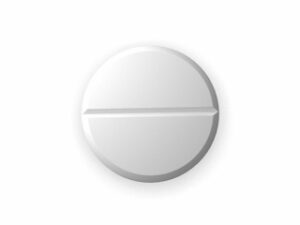
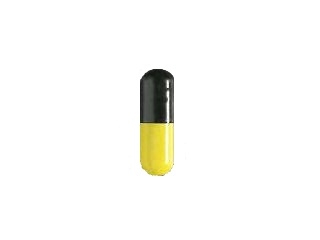
| Common form | Oral tablets or capsules (strength varies by brand) |
| How it works | Stops bacteria from making essential proteins |
| Typical conditions | Selected bacterial infections (varies by local guidance) |
| Key cautions | Teeth/bone effects in children; pregnancy risks; interactions with minerals, some medicines and alcohol |
| Storage | Keep in a cool, dry place; follow the label |
Basic product information
Tetracycline (tetracycline hydrochloride) belongs to the tetracycline group of antibiotics. It is used for infections caused by bacteria that are susceptible to tetracyclines. The exact choice of antibiotic depends on the type of infection, local resistance patterns, your medical history, and—when available—test results.
In practice, tetracycline may be used less frequently today than some newer antibiotics, but it remains an important option for certain conditions.
How tetracycline works (mechanism of action)
Tetracycline works by inhibiting bacterial protein synthesis. It enters bacterial cells and binds to the 30S ribosomal subunit, blocking the normal process by which bacteria build proteins needed for growth and survival.
Depending on the bacteria and concentration, tetracycline can be bacteriostatic (slows growth) rather than directly killing bacteria. Your immune system then helps clear the infection.
Pharmacokinetics (how your body handles it)
“Pharmacokinetics” describes how the body absorbs, distributes, metabolises, and eliminates a medicine.
- Absorption: Tetracycline is absorbed from the stomach and small intestine, but absorption can be significantly reduced by divalent and trivalent minerals. This includes iron, calcium, magnesium, and zinc found in supplements and some antacids.
- Distribution: It can distribute into many tissues and body fluids. It may also accumulate in developing teeth and bones.
- Metabolism: Tetracycline is not extensively metabolised by the liver.
- Elimination: It is mainly cleared by the kidneys (urine) with some elimination through bile and faeces.
Because tetracycline relies on consistent absorption to work well, timing around meals and mineral-containing products is important (see “Food interactions” below).
Typical uses and indications
Tetracycline is indicated for susceptible bacterial infections where a tetracycline antibiotic is appropriate. Indications can vary by local protocols and resistance patterns. Common examples (depending on local guidance and susceptibility) include:
- Respiratory and other bacterial infections caused by susceptible bacteria
- Skin and soft tissue infections where tetracycline-class antibiotics are suitable
- Infections related to certain bacteria such as some atypical organisms (when guided by clinical assessment)
For some conditions (including certain dermatology uses and some sexually transmitted infections), clinicians often consider other antibiotics or specific regimens. The best choice depends on the bacteria responsible and your overall situation.
If you are unsure whether tetracycline is appropriate for your diagnosis, speak to a healthcare professional for guidance on the most suitable option.
Dosing — general guidance
Dosing must be tailored to the person and infection being treated. Always follow the dose stated on your medicine label or instructions provided to you.
General principles commonly include:
- Use a consistent schedule: Many tetracycline regimens are taken multiple times per day.
- Finish the course: Even if you feel better, complete the planned duration to reduce the chance of relapse.
- Swallow with water: Take with a full glass of water to reduce stomach irritation and help prevent oesophageal discomfort.
If you miss a dose, take it when you remember unless it is close to the next dose. Do not take a double dose to “catch up”. When in doubt, check with a pharmacist.
When to take tetracycline (timing & routine)
Good timing helps you absorb the medicine properly and limits interactions with food and minerals.
- Take on an empty stomach when possible: Tetracycline absorbs best away from meals. Many regimens recommend taking it at least 1 hour before food or 2 hours after food.
- Avoid lying down immediately after a dose: Stay upright for at least 30 minutes to reduce the risk of oesophagitis (irritation of the food pipe).
- Separate from dairy and supplements: See “Food interactions” and “Medicine interactions” below.
If your stomach is sensitive, a clinician or pharmacist may advise how to balance the dose timing with comfort—however, absorption may change. Do not adjust timing without advice.
Food interactions (what to avoid)
Certain foods and beverages can reduce tetracycline absorption. This is one of the most important practical considerations for this medicine.
- Dairy products: Milk and some dairy foods contain calcium that can reduce absorption.
- Mineral-rich drinks: Calcium-fortified beverages or supplements may interfere.
- Iron, magnesium, zinc supplements: These can bind tetracycline in the gut and reduce effectiveness.
- Antacids: Some antacids contain aluminium, calcium or magnesium.
- Multivitamins: Many multivitamins include minerals that may interfere.
Practical separation tips:
- Try to take tetracycline at least 2–3 hours apart from products containing iron, zinc, magnesium or calcium (including supplements and antacids).
- If you must take these at set times, discuss an appropriate schedule with a pharmacist to minimise interaction.
Alcohol and medicine interactions
Moderate alcohol may not directly react with tetracycline in the way some medicines do, but alcohol can affect how well you feel and can worsen certain side effects such as:
- Stomach upset and nausea
- Dizziness or fatigue
- Dehydration
In addition, heavy alcohol use may increase risk of liver-related problems in general, and many people experience more medication-related side effects when drinking alcohol.
For the best outcome, it is often recommended to avoid alcohol while taking antibiotics—especially if you notice significant side effects. Ask your healthcare professional for personalised advice.
Important: If you are taking any other medicines, do not assume alcohol is “safe” with all of them—alcohol can interact with many medicines and medical conditions.
Medicine interactions (important)
Some medicines can interact with tetracycline by affecting absorption, increasing side effects, or changing effectiveness. Below are common interaction categories to be aware of.
- Minerals and supplements: Iron, zinc, magnesium, calcium supplements, and antacids can reduce absorption.
- Penicillin-type antibiotics: Combining antibiotics can be appropriate in some situations, but sometimes may not be the best approach depending on infection type. Seek professional advice.
- Oral anticoagulants (warfarin): Antibiotics can alter gut bacteria and vitamin balance, potentially affecting bleeding risk. Monitoring may be required.
- Isotretinoin and other acne medicines: There may be an increased risk of raised pressure in the skull (intracranial hypertension). This is a serious but uncommon adverse effect.
- Diuretics: Some diuretics and tetracyclines have been associated with changes in kidney function in susceptible people.
- Retinoids: The combination with tetracyclines may increase risk of intracranial hypertension.
- Oral contraceptives: Some antibiotics can potentially reduce effectiveness in certain circumstances due to effects on gut flora. Use additional contraceptive precautions if advised by your healthcare professional.
- Anti-seizure medicines (enzyme inducers): Some medicines may affect tetracycline levels or tolerance.
Always check: Tell your pharmacist about all medicines you take, including over-the-counter products, vitamins, supplements, herbal products, and antacids.
Safety profile — who should be cautious
Like all antibiotics, tetracycline can cause side effects. Many people tolerate it well, but it is important to know warning signs and who needs extra caution.
Common side effects
- Nausea or indigestion
- Stomach pain or discomfort
- Diarrhoea
- Headache
- Skin sensitivity to sunlight (see photosensitivity below)
Serious but less common adverse effects
- Severe diarrhoea or persistent watery diarrhoea (especially with fever or blood/mucus) — could indicate antibiotic-associated colitis.
- Allergic reactions such as rash, swelling of the face/lips, wheezing, or difficulty breathing.
- Raised intracranial pressure (symptoms may include severe headache, blurred vision, or vision changes). This risk may be higher with concurrent retinoids.
- Oesophageal irritation (pain/burning when swallowing), particularly if taken without sufficient water or when lying down soon after.
- Tooth discoloration and effects on bone growth — especially relevant to children and during pregnancy (details below).
Photosensitivity (sun sensitivity)
Tetracycline can make your skin more sensitive to sunlight, increasing the chance of sunburn.
- Avoid excessive sun and tanning beds.
- Use protective clothing and sunscreen (broad-spectrum SPF).
- Stop sun exposure and get advice if a rash occurs.
Pregnancy and breastfeeding
Tetracyclines can affect developing teeth and bones. As a result, they are generally not preferred during pregnancy and are usually avoided in situations where safer alternatives are appropriate. Breastfeeding guidance also depends on the specific situation and your healthcare professional’s assessment.
If you are pregnant, planning pregnancy, or breastfeeding, discuss the safest treatment options with a healthcare professional.
Children
Tetracyclines are generally avoided in children due to the risk of tooth staining and effects on bone growth, except in specific circumstances where they may be considered under specialist guidance.
Practical use tips (how to get the best results)
- Take with water and remain upright: Helps prevent irritation of the oesophagus.
- Separate from minerals: Keep a gap between tetracycline and dairy, iron, zinc, magnesium, calcium, and antacids.
- Adhere to the schedule: Regular dosing maintains effective levels.
- Complete the course: Stopping early can lead to treatment failure and resistance.
- Track your symptoms: If you’re not improving after a few days, contact a healthcare professional.
- Use sun protection: If you need to be outdoors, take extra precautions.
What to expect — timing of improvement
Many bacterial infections start to improve within 48–72 hours after starting an effective antibiotic. However, improvement depends on:
- the type and severity of infection
- the specific bacteria involved
- the dose and absorption (which is why food/mineral spacing matters)
- whether you have other health conditions
If symptoms are worsening, or you have fever that persists, seek medical review.
Missed dose & overdose guidance
If you miss a dose
- Take it as soon as you remember.
- If it is near the next dose, skip the missed dose and continue your normal schedule.
- Do not take double doses.
If you take too much
Seek urgent advice. Overdose management depends on the amount taken and your symptoms. Contact a healthcare professional or local poison information service promptly.
Alternative options (discuss with a healthcare professional)
The best alternative to tetracycline depends on the infection being treated, your allergies, local resistance patterns, and your ability to tolerate the medicine. Antibiotic choices may include other classes such as:
- Macrolides (for certain respiratory or atypical infections)
- Penicillins or cephalosporins (depending on the bacteria)
- Fluoroquinolones (selected cases only, due to important risks)
- Topical alternatives for some dermatology conditions where appropriate
Your pharmacist or doctor can help you understand whether an alternative is likely to be more suitable and what changes would be needed to avoid interactions.
Market & legal context for Australia
Medicines in Australia are supplied according to the Australian regulatory framework overseen by the Therapeutic Goods Administration (TGA). Antibiotics are regulated to support appropriate use and reduce resistance.
Availability and supply models vary. Many antibiotics are provided under controlled arrangements to support safe and effective treatment. Your online pharmacy will clearly indicate the required supply process at the time of order.
In Australia, antibiotic stewardship is strongly encouraged. This includes:
- using antibiotics only when needed
- choosing the most appropriate option
- taking the correct dose for the right duration
- avoiding sharing antibiotics or using leftover prescriptions
Recent guidance & antibiotic stewardship (overview)
Healthcare systems continually update guidance to reflect changing resistance patterns and best practice. While the exact recommendations for an individual infection should be based on clinical assessment, general themes relevant to tetracyclines include:
- Confirming bacterial cause when possible: Clinicians may consider testing before choosing antibiotics.
- Choosing narrower-spectrum options: When appropriate, to reduce impact on beneficial bacteria.
- Maintaining adherence: Taking the medicine correctly and finishing the course.
- Managing interactions: Ensuring correct timing around minerals and other interacting medicines.
If you have concerns—such as previous treatment failures, medication interactions, or side effects—discuss them promptly with a pharmacist or healthcare professional.
Delivery, availability & ordering (Australia)
Tetracycline (tetracycline hydrochloride) may be available from community pharmacies and may also be supplied through online pharmacy services depending on stock and supply arrangements.
- Stock availability: Can vary by brand, strength, and formulation.
- Delivery options: Many online pharmacies offer standard and express shipping across Australia.
- Packaging & labelling: Medicines should be supplied in manufacturer packaging with clear instructions and expiry details.
Delivery timeframes depend on your location and dispatch schedules. Check the website at checkout for estimated delivery times and any shipping conditions.
FAQ — Frequently asked questions
1) What is tetracycline used for?
Tetracycline is an antibiotic used to treat certain bacterial infections that are susceptible to tetracyclines. The exact use depends on the infection type and local guidance.
2) How quickly will I feel better?
Some improvement is often seen within 48–72 hours, but it varies. If you are not improving or symptoms worsen, seek medical review.
3) Should I take tetracycline with food?
It is usually taken on an empty stomach for better absorption. Many instructions advise taking it 1 hour before food or 2 hours after food. If stomach upset occurs, speak to a pharmacist about options.
4) Can I take tetracycline with dairy?
Dairy (calcium) may reduce absorption. Try to keep dairy separated from your tetracycline dose by several hours, and follow your pharmacist’s advice.
5) How should I separate tetracycline from vitamins or supplements?
Keep a gap between tetracycline and supplements containing iron, zinc, magnesium, or calcium (often 2–3 hours). If you have a complex schedule, a pharmacist can help you plan it.
6) What if I accidentally take it too close to an antacid?
If you took tetracycline shortly after an antacid or mineral supplement, absorption may be reduced. Don’t double the dose—follow your normal schedule and ask a pharmacist if you should adjust the timing for future doses.
7) Can I drink alcohol while taking tetracycline?
Light to moderate alcohol may not be an absolute contraindication for every person, but alcohol can worsen side effects and overall wellbeing. Avoiding alcohol is often the safest choice during antibiotic treatment—especially if you experience nausea or stomach upset.
8) Is tetracycline safe for children?
Tetracycline is generally avoided in children due to potential effects on developing teeth and bones. Use in children is typically reserved for specific circumstances under professional guidance.
9) Can I take tetracycline if I’m pregnant or breastfeeding?
Tetracyclines are generally not preferred in pregnancy and may be avoided during breastfeeding, depending on the situation. Discuss alternatives and risk/benefit with a healthcare professional.
10) What should I do if I get a rash or breathing problems?
Seek urgent medical attention if you develop signs of an allergic reaction, such as swelling, wheezing, or difficulty breathing.
11) What should I do if I develop severe diarrhoea?
Contact a healthcare professional promptly, especially if diarrhoea is severe, persistent, watery, or includes blood or mucus. Antibiotics can sometimes lead to serious bowel side effects.
12) Are there alternatives if tetracycline isn’t suitable?
Yes. Other antibiotic options or different treatment approaches may be considered depending on the infection. A pharmacist or healthcare professional can advise based on your diagnosis and history.
Summary
Tetracycline (tetracycline hydrochloride) is an oral antibiotic from the tetracycline class used for certain bacterial infections. It works by stopping bacteria from producing essential proteins. To get the best effect, it’s important to manage timing around meals and avoid interactions with minerals found in dairy and supplements. Like all medicines, it has potential side effects—most importantly stomach upset, sunlight sensitivity, and (rarely) more serious reactions. If you have questions about suitability, interactions, or side effects, consult a pharmacist or healthcare professional.