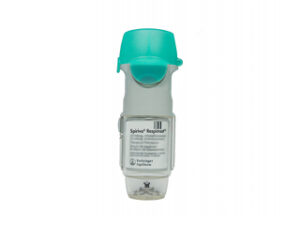


Nintedanib (Australia) — Patient-Friendly Medicine Information
Nintedanib is a prescription medicine used to slow the progression of certain serious lung diseases and, in some cases, to treat specific cancers. This page explains what nintedanib is, how it works, how it’s taken, what to expect, and important safety considerations—written in clear, patient-friendly language for people in Australia.
Always follow your prescriber’s instructions and the medicine label. If you have questions about your specific treatment plan, speak with your healthcare team.
Quick Facts
- Medicine name: Nintedanib
- Type: Targeted medicine (tyrosine kinase inhibitor)
- Main uses: Idiopathic pulmonary fibrosis and other chronic fibrosing interstitial lung diseases; also used in certain cancers as appropriate
- Common side effects: Diarrhoea, nausea, vomiting, reduced appetite, liver enzyme elevations
- How it’s taken: Usually by mouth in capsule form, swallowed whole
Basic Product Information
In Australia, nintedanib is available under brand names depending on the product and formulation supplied by the pharmacy. It is supplied as capsules and is taken regularly to help control the underlying condition.
- Active ingredient: Nintedanib
- Form: Capsules (various strengths depending on product availability)
- Storage: Store according to the package directions (typically at room temperature, protected from moisture)
- Keep out of reach: Keep medicines out of sight and reach of children
How Nintedanib Works (Mechanism of Action)
Nintedanib belongs to a group of medicines called tyrosine kinase inhibitors. It works by blocking signalling pathways involved in:
- Pathologic growth signals that contribute to lung scarring (fibrosis)
- Blood vessel-related processes that may support disease progression
- Inflammation and tissue remodelling that can worsen chronic lung damage
In simpler terms, nintedanib helps to slow the “scarring process” in the lungs for certain fibrosing interstitial lung diseases. In oncology settings (where relevant), it can help interfere with tumour-related growth signals.
What It’s Used For (Indications)
Nintedanib is used for specific medical conditions. The exact use depends on your diagnosis and medical history.
Common approved respiratory indications (fibrosing interstitial lung diseases)
- Idiopathic pulmonary fibrosis (IPF)
- Chronic fibrosing interstitial lung diseases with a progressive phenotype (for example, conditions where lung fibrosis worsens over time despite standard care)
Oncology indications (where applicable)
- Nintedanib is also used in certain cancer combinations/clinical situations as determined by your healthcare team. Availability and exact indication may depend on local guidelines and product approvals.
Because indications vary by country and product label, always check the documentation provided by the pharmacy for your specific medicine.
Typical Timing and How to Take Nintedanib
General schedule
Nintedanib is commonly taken twice daily (for many approved indications), approximately 12 hours apart. Your exact dosing schedule should be confirmed with your healthcare team and the product label.
How to take the capsule
- Swallow whole with water—do not open or crush the capsule unless your pharmacist or prescriber specifically advises otherwise.
- Try to take it at the same times each day to maintain steady medicine levels.
- If you miss a dose: take it when you remember unless it’s near the time of the next dose; do not take a double dose.
- Use consistent daily routine: morning and evening meals can help you remember.
If you are unsure about missed doses or adjustments due to side effects, ask your healthcare team for advice.
Food Interactions and What to Know About Meals
Food can affect how nintedanib is absorbed. For many patients, the most important instruction is to take doses consistently with respect to meals.
- Absorption consistency matters: take each dose in a similar relation to meals day-to-day.
- Avoid dose changes on your own: if you need to shift timing (e.g., because of nausea), confirm the plan with your healthcare team.
- Follow the label directions: some guidance advises taking with food and/or avoiding certain meal conditions; your specific product instructions should be followed.
If you experience stomach upset, nausea, or diarrhoea, your doctor may recommend supportive care and may advise whether to take the medicine with food or adjust timing.
Alcohol and Medicine Interactions
Alcohol
Alcohol may increase stress on the liver and can worsen side effects such as nausea, diarrhoea, and fatigue. Because nintedanib can also affect liver enzymes, it’s best to:
- Limit alcohol or avoid it unless your healthcare team approves
- Tell your clinician if you regularly drink alcohol or have liver disease
- Seek advice if you develop yellowing of the skin/eyes, dark urine, or severe abdominal pain
Medicine interactions (important)
Nintedanib is processed in the body by pathways that can be affected by other medicines. Some drugs can increase nintedanib levels (raising side effect risk), while others can decrease levels (reducing effectiveness).
Before starting nintedanib, tell your healthcare team about all medicines and supplements, including:
- Antifungals and some antibiotics
- Antivirals used for viral infections
- Antiseizure medicines (some can reduce effectiveness)
- St John’s wort (a herbal supplement that may change drug levels)
- Blood thinners/anticoagulants and medicines affecting bleeding risk
- Liver-metabolised medicines and multiple-agent combinations
This is not a complete list. Your pharmacist can provide an interaction check for your specific medicines.
Pharmacokinetics (How the Body Handles Nintedanib)
Pharmacokinetics refers to how the body absorbs, distributes, metabolises, and eliminates a medicine. Knowing these basics can help explain why consistency and monitoring are important.
- Absorption: Nintedanib is absorbed after oral dosing. Food can influence absorption; therefore, taking it with meals as directed can help maintain predictable exposure.
- Distribution: The medicine distributes throughout the body; protein binding may be significant.
- Metabolism: Nintedanib is metabolised in the liver and other tissues by enzyme systems (commonly involving drug transporters and metabolic enzymes).
- Elimination: Nintedanib and its metabolites are eliminated primarily via faeces, with a smaller component via urine.
- Timing: Because it is taken multiple times daily, maintaining consistent dosing intervals helps achieve steady effects.
People with liver problems may have higher medicine exposure. This is why liver blood tests are commonly monitored.
Dosing — What Is the Usual Dose?
Dosing depends on your diagnosis, your overall health, liver function, and how you tolerate the medicine. Your prescription label will show the exact dose for you.
Typical adult dosing patterns (general)
- Often: twice daily dosing with approximately 12 hours between doses (for many fibrosing lung indications)
- May change: your doctor may reduce the dose or interrupt therapy if side effects are significant
Do not change the dose without medical advice. If diarrhoea, nausea, or abnormal liver tests occur, your doctor may recommend:
- symptom treatment (e.g., anti-diarrhoeal medicines)
- dose interruption
- dose reduction once symptoms improve
Special situations
- Liver impairment: may require dose adjustment and extra monitoring
- Older age: some people are more sensitive to side effects and may need closer monitoring
- Kidney disease: dosing decisions depend on clinical factors and lab results
Safety Profile — Side Effects and What to Watch For
Like all medicines, nintedanib can cause side effects. Many are manageable, and some improve with supportive care and dose adjustments. The most important approach is to recognise early warning signs and seek medical help promptly.
Common side effects
- Diarrhoea (often the most common)
- Nausea and/or vomiting
- Reduced appetite
- Abdominal pain or indigestion
- Fatigue
- Headache
- Elevated liver enzymes (shown on blood tests)
Serious side effects — seek urgent medical advice
Contact your healthcare provider urgently or seek emergency care if you experience:
- Severe or persistent diarrhoea, dehydration, dizziness, or inability to keep fluids down
- Signs of liver problems: yellow skin/eyes, dark urine, severe right upper abdominal pain, marked fatigue
- Signs of bleeding: unusual bruising, black/tarry stools, coughing/vomiting blood, blood in urine
- Shortness of breath or chest pain that is new or worsening
- Severe allergic reaction: swelling of face/lips, hives, difficulty breathing
Your doctor may perform regular blood tests (including liver function tests) to monitor safety.
Pregnancy and contraception (important safety topic)
Nintedanib may be harmful to an unborn baby. If pregnancy is possible, discuss contraception and family planning with your healthcare team before starting therapy.
Practical Use Tips (Day-to-Day Support)
Managing diarrhoea
- Start supportive care early at the first sign of diarrhoea—don’t wait until it becomes severe.
- Hydrate regularly. Oral rehydration solutions can help replace electrolytes.
- Follow advice on anti-diarrhoeal medicines (e.g., loperamide) if your clinician recommends them.
- Monitor severity: if diarrhoea continues or you feel weak/dizzy, contact your healthcare team.
Reducing nausea and loss of appetite
- Take doses consistently with meals as directed on your product information.
- Eat smaller, more frequent meals if large meals worsen symptoms.
- Avoid very greasy or strongly flavoured foods if they trigger nausea.
- Ask your pharmacist about suitable anti-nausea options or supportive measures.
Protect your liver during treatment
- Keep alcohol intake minimal (or avoid if advised).
- Inform your clinician promptly about any symptoms of liver injury.
- Attend scheduled blood tests.
Blood pressure and general monitoring
Your clinician may monitor various parameters (including general health and laboratory results). Keep appointments and report new symptoms.
Food and Beverage Guidance
Food can influence drug absorption, so aim for routine. If you have a sensitive stomach:
- Stay hydrated
- Consider bland foods during flare-ups (e.g., toast, rice, bananas—if suitable for you)
- Avoid alcohol unless your healthcare team approves
There are also situations where swallowing and appetite can be affected—if you struggle to eat or drink, speak with a healthcare professional for personalised advice.
Alternative Options
Depending on the underlying diagnosis, there may be alternative medications or treatment strategies. Alternatives can include other anti-fibrotic medicines, supportive therapies, or other targeted cancer medicines.
Respiratory alternatives (general examples)
- Other anti-fibrotic therapies used for fibrosing interstitial lung diseases (choice depends on disease type and individual factors)
- Supportive care: oxygen therapy if needed, pulmonary rehabilitation, symptom management
Cancer alternatives (where applicable)
- Other targeted treatments and/or chemotherapy regimens may be considered depending on cancer type and biomarkers.
Your healthcare team can help compare options based on your specific condition, lab results, and treatment goals.
Market and Legal Context for Australia
Medicines containing nintedanib are regulated in Australia under the relevant standards for quality, safety, and prescription medicines. Availability can depend on product registration status, subsidy arrangements, and hospital/clinic protocols.
In practice, access may involve:
- listing under Australian regulatory and reimbursement frameworks (where applicable)
- distribution through licensed pharmacies and supply chains
- medicine supply procedures and identity checks to ensure correct use
Your pharmacist can explain what documentation is needed for supply and whether any subsidy or program may apply to your situation.
Recent Guidance and Ongoing Monitoring (What Patients Should Expect)
Treatment guidance can evolve as new clinical evidence becomes available and as safety information is refined. For patients taking nintedanib, the practical “ongoing guidance” often includes:
- Regular blood tests to monitor liver enzymes and overall safety
- Proactive management of diarrhoea to avoid dehydration and interruptions
- Dose adjustments if side effects are persistent or severe
- Review of interacting medicines when you start or stop any medicine or supplement
If you have recently been advised about blood tests or new monitoring, these measures are designed to reduce risks and maintain treatment consistency.
Delivery and Availability in Australia
Availability depends on stock levels, formulation, and pharmacy processes. Where nintedanib is supplied through an online pharmacy, delivery typically follows standard Australian courier and cold-chain rules (if required by the product—most oral capsules do not require refrigeration).
- Dispatch timeframe: depends on local stock and order verification
- Delivery service: standard courier to eligible locations
- Track your order: many pharmacies provide tracking once dispatched
- Packaging: medicines are usually supplied in original packaging
If you have time-sensitive needs (e.g., you’re about to run out), contact customer support as early as possible so your order can be processed in time.
Medication Safety Checklist (Before You Start)
Use this checklist to prepare for treatment discussions with your healthcare team:
- Tell your clinician about all current medicines and supplements (including herbal products)
- Share details about liver disease, alcohol intake, or past hepatitis
- Let them know if you have a history of bleeding disorders or are taking anticoagulants/antiplatelets
- Discuss any planned surgery or dental procedures
- Ask about the plan for managing common side effects (especially diarrhoea)
Comparison Table (What Patients Often Want to Know)
| Topic | Nintedanib — Key Points |
|---|---|
| Medicine class | Tyrosine kinase inhibitor (targeted medicine) |
| Main goal | Slow disease progression in certain fibrosing lung diseases; other targeted uses in oncology as appropriate |
| Dosing frequency | Often taken twice daily with roughly 12 hours between doses (follow your label) |
| Food interaction | Food can affect absorption—take doses consistently with respect to meals as advised |
| Common side effects | Diarrhoea, nausea/vomiting, reduced appetite, abdominal discomfort, liver enzyme elevations |
| Monitoring | Regular blood tests may be used (especially liver function tests) |
| Alcohol | May increase risk of liver stress and worsen side effects—limit or avoid unless approved |
FAQ — Nintedanib for Patients
1) How long does nintedanib take to start working?
Responses can vary. For fibrosing lung diseases, the goal is typically to slow progression rather than provide immediate symptom relief. Over time, clinicians assess lung function and disease stability.
2) What should I do if I get diarrhoea?
Contact your healthcare team early for advice. Many patients need prompt supportive treatment and hydration. If diarrhoea is severe, persistent, or you feel dizzy or unable to drink fluids, seek urgent medical help.
3) Can I take nintedanib with food?
Food can influence absorption. Follow the instructions provided with your specific nintedanib product. The key is to take doses in a consistent way so exposure remains steady.
4) Are there foods or supplements I should avoid?
There is no one-size-fits-all list, but herbal supplements (especially St John’s wort) can affect drug levels. Always tell your pharmacist about supplements and ask what is safe with nintedanib.
5) Does nintedanib interact with antibiotics or antifungal medicines?
Some antibiotics and antifungals can alter nintedanib levels. Always provide a full list of medicines to your pharmacist so interactions can be checked before you start a new course.
6) Is it safe to drink alcohol while taking nintedanib?
Alcohol may increase the risk of liver strain and may worsen gastrointestinal side effects. It’s best to limit or avoid alcohol unless your healthcare team advises otherwise.
7) Will I need blood tests?
Many patients need periodic blood tests, commonly including liver function tests, to monitor safety and guide dose decisions.
8) What happens if I miss a dose?
If you remember soon, take it—otherwise skip and take your next dose at the usual time. Do not take a double dose to make up for a missed one.
9) Can I stop nintedanib if I feel better?
Do not stop or change your dose without medical advice. The benefits are generally tied to ongoing treatment to slow progression.
10) What should I do if I need surgery or dental work?
Tell your surgeon/dentist and your healthcare team that you take nintedanib. They will advise if any temporary changes to treatment are needed based on your risk and timing.
Important Reminder
This information is provided to help you understand nintedanib and how it’s commonly used. It cannot replace personalised medical advice. If you have questions about side effects, interactions, or whether nintedanib is suitable for you, speak with your healthcare team or pharmacist.