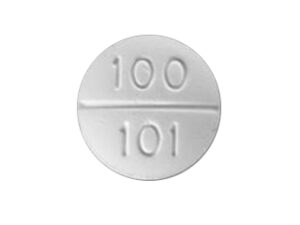


Inspra (Eplerenone) — Patient-Friendly Guide (Australia)
Inspra is a brand of eplerenone, a medicine used to help treat certain heart conditions and reduce the risk of complications such as heart failure worsening. This page explains what Inspra is, how it works, how it’s typically used, and important safety information. Always follow the advice of your healthcare professional for your individual situation.
Quick overview
- Active ingredient: Eplerenone
- Medicine type: Mineralocorticoid receptor antagonist (helps reduce harmful effects of excess aldosterone)
- Common uses: Heart failure after myocardial infarction and other selected heart conditions (as advised by your doctor)
- Key safety focus: Potassium levels (risk of hyperkalaemia) and kidney function
- Typical dosing frequency: Once or twice daily depending on the prescribed regimen
Basic product information
Inspra (eplerenone) is an oral tablet medicine. It belongs to a class known as aldosterone antagonists (also called mineralocorticoid receptor antagonists). Inspra is designed to counter aldosterone’s effects, which can contribute to fluid retention, strain on the heart, and progression of certain cardiovascular diseases.
Strengths and formulation: Inspra is commonly available as tablets. Your product pack will list the exact strength (for example, 25 mg and 50 mg are commonly used strengths internationally; availability may vary by supplier and marketplace).
How it’s taken: Swallow tablets whole with water. Do not crush or split unless advised by a clinician or indicated by the product instructions you receive.
How Inspra works (mechanism of action)
Eplerenone blocks mineralocorticoid receptors, which are activated by aldosterone. Aldosterone normally helps regulate salt and water balance in the body and influences cardiovascular remodelling (changes in heart structure over time).
By blocking these receptors, eplerenone can:
- Reduce sodium and water retention, helping ease strain on the heart
- Help protect the heart from adverse remodelling associated with chronic heart stress
- Lower potassium excretion, which is why monitoring potassium is important
Important: Inspra is not a “fast relief” medicine. It is used to improve outcomes over time as part of a broader treatment plan for heart-related conditions.
Pharmacokinetics (how the body processes it)
Understanding pharmacokinetics can help you take the medicine correctly and know what to expect.
- Absorption: After oral dosing, eplerenone is absorbed and reaches peak blood levels within a few hours (commonly around 1–2 hours, but this can vary).
- Distribution: It distributes throughout the body and binds to plasma proteins.
- Metabolism: Eplerenone is primarily metabolised in the liver, with the involvement of enzymes such as CYP3A4.
- Elimination: It is cleared through metabolism and excretion (via urine and faeces).
- Half-life: The effective half-life supports dosing once or twice daily depending on your regimen and kidney function.
Clinical relevance: Medicines that strongly affect CYP3A4 can change eplerenone levels, which may increase side effects (especially high potassium) or reduce effectiveness.
What Inspra is typically used for (indications)
In Australia, eplerenone is used for certain cardiovascular conditions according to clinical guidelines and prescriber assessment. Common uses include:
- Heart failure in selected patients, typically as part of standard care
- Heart attack (myocardial infarction) with left ventricular dysfunction to reduce risk of cardiovascular death and other outcomes in appropriate patients
- Other indications may apply based on local guidance and individual suitability
Note: Indications can depend on your blood test results (especially potassium and kidney function) and on the overall medication plan your doctor is building.
When to take Inspra (timing and consistency)
Most people take Inspra consistently at the same time each day. Timing can be important for adherence and steady medicine levels.
- Once daily regimens: Take at about the same time each day.
- Twice daily regimens: Space doses evenly (for example, morning and evening).
- Try to choose a routine time you can maintain long-term.
If you miss a dose: Take it as soon as you remember. If it’s close to your next dose, skip the missed dose. Do not take a double dose to make up for a missed tablet.
Food interactions (including grapefruit)
Food can affect eplerenone levels, particularly certain foods or beverages that influence liver enzymes.
- Grapefruit and grapefruit juice: Avoid or use only if your healthcare professional says it’s safe. Grapefruit can increase eplerenone levels by affecting metabolism pathways.
- Food in general: Taking eplerenone with or without food may be allowed depending on the product instructions. If you notice stomach upset, discuss whether taking it with food is appropriate for you.
Practical tip: Aim for consistent habits. If you always take Inspra with meals, keep doing so unless advised otherwise.
Alcohol and medicine interactions
Alcohol does not typically have a “direct” interaction with eplerenone in the way that some specific drugs do. However, alcohol can still affect your safety and treatment goals:
- Blood pressure: Alcohol may lower blood pressure, which can contribute to dizziness in some people, especially if you also take other heart medicines.
- Kidney and hydration status: Heavy alcohol intake can affect hydration and kidney function, which may influence potassium balance.
- Adherence and side effects: Alcohol-related changes to routine may increase the risk of missed doses or delayed monitoring.
Recommendation: If you drink alcohol, do so in moderation and discuss your usual intake with your clinician—particularly if you have kidney disease or low blood pressure symptoms.
Drug interactions (including common medicines)
Because eplerenone can raise potassium, interactions that affect potassium or kidney function are especially important.
1) Medicines that increase potassium
- Potassium supplements (unless specifically prescribed with monitoring)
- Potassium-containing salt substitutes (often used as “low salt” alternatives)
- Other potassium-sparing diuretics (e.g., amiloride, triamterene)
- Some medicines for heart failure or blood pressure that may also affect potassium (your clinician will balance benefits and risks)
2) Medicines that affect kidney function
- Non-steroidal anti-inflammatory drugs (NSAIDs) such as ibuprofen, naproxen, and diclofenac (regular or high-dose use can raise kidney risk)
- Dehydrating illnesses (vomiting, diarrhoea) or severe dehydration can increase risk of electrolyte disturbances
3) Medicines that affect eplerenone metabolism (CYP3A4)
- Strong CYP3A4 inhibitors can raise eplerenone levels and increase risk of side effects. Examples include certain antifungals and some antibiotics (exact medicines should be confirmed with your pharmacist/doctor).
- Strong CYP3A4 inducers can reduce effectiveness (again, the specific list depends on regional prescribing patterns).
Always tell your pharmacist about all medicines you take, including over-the-counter products and supplements.
Dosing: how Inspra is commonly started and adjusted
Dosing varies based on kidney function, potassium levels, and the condition being treated. For that reason, the safest approach is to follow the exact dosing instructions on your label.
Typical approach used in practice:
- Starting dose: Often initiated at a low dose to reduce early risk of high potassium.
- Monitoring-guided titration: Your clinician checks blood tests (especially potassium and kidney function) and may adjust the dose if levels remain within safe ranges.
- Kidney impairment: Dose adjustments or avoidance may apply if kidney function is reduced.
- Potassium levels: If potassium is high or trending upward, the dose may be reduced or stopped temporarily.
Blood tests you may need:
- Potassium (K+)
- Kidney function (often reported as eGFR and creatinine)
Do not adjust the dose yourself. Any change should be based on lab results and your clinical status.
Safety profile: what to watch for
Like all medicines, Inspra can cause side effects. Many people tolerate eplerenone well, especially with correct dosing and monitoring.
Most important safety concern: high potassium (hyperkalaemia)
Because eplerenone reduces potassium excretion, blood potassium can rise. Elevated potassium can affect heart rhythm.
Seek urgent medical attention if you experience symptoms such as:
- New or worsening muscle weakness
- Irregular heartbeat or palpitations
- Severe fatigue or feeling unwell
Other potential side effects
- Dizziness (especially if blood pressure is low)
- Low blood pressure symptoms such as lightheadedness
- Kidney function changes (detected through blood tests)
- GI symptoms such as nausea (less common)
- Headache (possible)
When to be extra careful
- Known kidney disease or reduced eGFR
- Existing elevated potassium
- Use of medicines that increase potassium
- Dehydration due to vomiting or diarrhoea
Practical use tips for everyday life
- Keep up with monitoring: Attend scheduled blood tests. This is essential for safe ongoing use.
- Know your potassium sources: Be cautious with salt substitutes and “low salt” products that contain potassium.
- Stay hydrated appropriately: Follow your clinician’s fluid advice, especially if you have heart failure.
- Tell healthcare providers you use Inspra: Mention it before procedures and when getting new prescriptions.
- Be cautious with OTC NSAIDs: Ask your pharmacist before using ibuprofen/naproxen regularly.
- Report symptoms early: Don’t wait for your next appointment if you feel unwell or have palpitations.
Alternative options (if Inspra isn’t suitable)
If eplerenone is not suitable due to side effects, potassium concerns, or drug interactions, clinicians may consider other treatment strategies. Alternatives can include:
- Other mineralocorticoid receptor antagonists: For example, spironolactone (may have different hormonal side effects in some people).
- Other heart failure therapies: Depending on your diagnosis, options may include ACE inhibitors, ARBs, beta-blockers, SGLT2 inhibitors, diuretics, and other guideline-based treatments (your clinician will tailor therapy).
- Medication adjustments: Sometimes the safest “alternative” is changing interacting medicines or modifying dose and monitoring frequency.
Important: Do not switch between medicines without medical guidance, as dosing and monitoring requirements differ.
Inspra in the Australian market: prescribing, supply and legal context
In Australia, medicines are regulated under the Therapeutic Goods Act and monitored by the TGA (Therapeutic Goods Administration). Individual medicines may be available under different supply categories and have specific prescribing rules depending on their classification.
For consumers, key points typically include:
- Supply is managed through approved channels (pharmacies and authorised distributors).
- Clinical monitoring is important due to potassium and kidney-related risks.
- Pharmacist support is available to check interactions and ensure safe use with your existing medicines.
Where available online: Reputable Australian pharmacy platforms follow relevant requirements for medicine supply, verification, and patient support.
Recent guidance and monitoring considerations
Heart failure and post–heart-attack management evolves with new evidence. While local protocols may differ, clinicians commonly emphasise:
- Regular electrolyte and kidney monitoring when using mineralocorticoid receptor antagonists
- Careful assessment of risk factors for hyperkalaemia (e.g., renal impairment, diabetes, concurrent medicines)
- Medication review for interacting agents (especially those that affect potassium or CYP3A4 metabolism)
Your pharmacist and doctor can confirm the latest monitoring schedule used for your treatment plan.
Delivery and availability (Australia)
Availability of Inspra may depend on stock levels and the tablet strength required. When ordering online in Australia, typical expectations include:
- Stock confirmation: Most online pharmacies show current availability or estimated dispatch times.
- Delivery timeframes: These depend on your location and the pharmacy’s dispatch schedule.
- Cold chain: Inspra tablets generally do not require refrigeration.
Packaging and storage: Keep tablets in their original packaging, protect from moisture, and store at room temperature unless the pack states otherwise.
Storage advice
- Store below 30°C unless your product pack states a different temperature range.
- Keep the medicine in a cool, dry place.
- Keep tablets in the original blister pack or container.
- Keep out of reach of children.
FAQ — Inspra (Eplerenone)
1) What is Inspra used for?
Inspra (eplerenone) is used to treat selected heart conditions, such as heart failure and certain patients after a heart attack with evidence of left ventricular dysfunction, to improve outcomes as part of a broader therapy plan.
2) How long does it take to work?
Inspra is not usually felt immediately like a painkiller. Its benefits are aimed at longer-term cardiovascular outcomes and gradual stabilisation of heart-related changes.
3) Do I need blood tests?
Yes. Monitoring potassium and kidney function is important because eplerenone can raise potassium. Your clinician will advise how often testing is needed.
4) Can I take Inspra with other blood pressure medicines?
Often yes, but interactions must be assessed. Some blood pressure medicines can affect kidney function or potassium levels. Tell your pharmacist about all medicines you take so they can check for safety.
5) Are there foods I should avoid?
Grapefruit and grapefruit juice may increase eplerenone levels. It’s generally advised to avoid grapefruit unless your healthcare professional says it’s safe for you. Maintain consistent food habits once you’re stable.
6) Is it safe to drink alcohol?
Moderate alcohol may be acceptable for some people, but alcohol can worsen dizziness and affect hydration. If you have low blood pressure, kidney issues, or are unsure, discuss it with your doctor or pharmacist.
7) What should I do if I miss a dose?
Take it when you remember, unless it’s nearly time for your next dose. Don’t take a double dose.
8) What side effects are most concerning?
The most important risk is raised potassium (hyperkalaemia). Contact a clinician promptly if you feel unwell or experience symptoms such as palpitations or weakness. High potassium is usually detected via blood tests.
9) Can I use ibuprofen or naproxen while taking Inspra?
Occasional use may be different from regular use. Because NSAIDs can affect kidney function, it’s best to ask your pharmacist before using these medicines frequently.
10) What are my alternatives if I can’t take eplerenone?
Options may include other mineralocorticoid receptor antagonists (like spironolactone) or adjustments to the overall heart medication regimen. Your clinician can recommend the safest alternative based on your labs and diagnosis.
Reference and product support
This information is intended to help you understand Inspra (eplerenone) and support safer use. It does not replace advice from your healthcare professional. If you have questions about your specific dosing, interactions, or blood test schedule, contact your doctor or pharmacist.
| Topic | What to remember |
|---|---|
| Mechanism | Blocks mineralocorticoid receptors to counter aldosterone’s effects; helps protect the heart and fluid balance. |
| Key safety | Monitoring for high potassium and kidney function is essential. |
| Food interactions | Avoid grapefruit/gapefruit juice unless advised otherwise. |
| Alcohol | Moderation is advised; watch for dizziness and hydration effects. |
| Drug interactions | Avoid or carefully manage medicines that raise potassium or affect CYP3A4 metabolism. |
| Missed dose | Take when remembered unless close to next dose; don’t double up. |