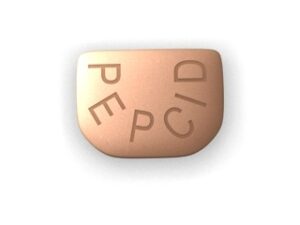

Aciphex (Rabeprazole) – Patient Guide (Australia)
Aciphex is a medicine containing rabeprazole, a proton pump inhibitor (PPI) used to reduce stomach acid. It is commonly used for conditions such as reflux (heartburn/GERD) and ulcers. This guide explains how it works, when to take it, what to expect, important safety considerations, and practical tips for everyday use in Australia.
Basic product information
| Item | Details |
|---|---|
| Medicine name | Aciphex |
| Active ingredient | Rabeprazole |
| Medicine type | Proton pump inhibitor (PPI) |
| Common uses | Acid reflux (GERD), heartburn, erosive oesophagitis, gastric/duodenal ulcers, and in combination regimens for Helicobacter pylori (where applicable) |
| How it’s taken | Usually by mouth, once daily (sometimes twice daily depending on the condition) |
| How it comes | Available in tablet/capsule strengths depending on product listing (your pack will show the strength) |
Note: Brand availability can vary. Always check your specific product pack for the exact strength and instructions.
How Aciphex works (mechanism of action)
Rabeprazole belongs to the group of medicines called proton pump inhibitors. It works by blocking the “proton pump” (an acid-producing system) in the stomach lining.
- When the stomach is stimulated to produce acid, the proton pump normally releases hydrogen ions into the stomach.
- Rabeprazole irreversibly inhibits this pump, leading to a reduction in stomach acid.
- With less acid, symptoms such as heartburn and acid reflux improve, and ulcers or inflammation of the oesophagus can heal.
Because the medicine targets the acid pumps, PPIs tend to work best when taken regularly as directed rather than only when symptoms flare.
Pharmacokinetics: what the body does to rabeprazole
Understanding timing can help you get the best effect. Key pharmacokinetic points include:
- Absorption: Rabeprazole is absorbed after being taken by mouth. It is stable enough to work, but it performs best when taken properly (often before food).
- Peak effect: Levels in the bloodstream typically rise within a few hours after a dose.
- Activation in the stomach: PPIs become active in the acidic environment of the stomach. This is one reason why correct timing matters.
- Metabolism: The medicine is metabolised primarily by liver pathways (including the CYP system). Genetic and liver function differences can affect drug handling.
- Elimination: Rabeprazole and its metabolites are removed from the body mainly via the kidneys.
- Duration of acid control: Even though the drug level may fall, the proton pump inhibition can last longer than expected from bloodstream levels—this is why once-daily regimens are common.
Typical use in everyday life
Aciphex is used to treat conditions where stomach acid causes symptoms or injury, such as:
- Heartburn and acid reflux (including GERD)
- Erosive oesophagitis (inflammation/erosions in the oesophagus caused by acid)
- Gastric or duodenal ulcers
- Helicobacter pylori (H. pylori) infection, usually as part of a combination regimen with antibiotics and other medicines (depending on the plan provided by your clinician)
Some people use PPIs for short-term healing, while others need longer courses for ongoing control. Your treatment duration should be guided by symptom response and clinical assessment.
When to take Aciphex (timing guidance)
Most people should take rabeprazole before food for best results.
- Common schedule: once daily, preferably in the morning.
- Before meals: take on an empty stomach, typically about 30 minutes before breakfast.
- If advised twice daily: follow the specific schedule your healthcare professional recommends (often before breakfast and before dinner).
Practical tip: Choose a time you can repeat daily. Setting a daily reminder can help because PPIs work by maintaining acid pump inhibition over time.
Food interactions and what to eat/drink
Food affects how PPIs are activated and absorbed. While rabeprazole can be taken as directed with respect to meals, general guidance is:
- Take before meals to improve effectiveness.
- If you miss a dose, take it when you remember unless it’s close to the next dose. Do not double up.
- High-fat meals and irregular eating may worsen reflux symptoms, even if medication is taken correctly.
Alcohol: Alcohol can worsen reflux in many people. If you notice that alcohol triggers heartburn, reducing or avoiding it may improve results.
Alcohol and medicine interactions
There is no specific “dangerous” interaction between rabeprazole and alcohol that applies to everyone, but several practical points are important:
- Reflux worsening: Alcohol can relax the lower oesophageal sphincter and increase irritation, leading to more heartburn.
- Medication adherence: Drinking alcohol may reduce your ability to remember doses reliably.
- Other medicines: If you take alcohol and other medicines (such as certain blood thinners, antiepileptics, or antifungals), overall interaction risk may increase—particularly if those medicines also affect liver metabolism.
Talk to a healthcare professional if you regularly drink alcohol, drink heavily, or have liver disease.
Indications: when Aciphex is used
In Australia, PPIs including rabeprazole are commonly used based on clinical assessment and guideline-based care. Typical indications include:
- Gastro-oesophageal reflux disease (GERD)
- Symptomatic reflux (heartburn, acid regurgitation)
- Erosive oesophagitis
- Peptic ulcer disease (gastric and duodenal ulcers)
- H. pylori infection regimens (as part of combination therapy when indicated)
Some people use PPIs for long-term prevention of recurrence when symptoms return after stopping. However, long-term use should be reviewed periodically to ensure the lowest effective dose and ongoing benefit.
Dosing: typical regimens (general information)
Dosing varies by condition, severity, and individual factors. Below are general dosing patterns. Always follow the directions on your pack and advice from your healthcare professional.
| Condition (typical) | Common dosing pattern | Timing tips |
|---|---|---|
| Heartburn/GERD | Often once daily | Take before breakfast; allow a few days for noticeable improvement |
| Erosive oesophagitis | Once daily; sometimes higher or longer course depending on severity | Consistency is key; continue for the recommended treatment duration |
| Gastric/duodenal ulcers | Once daily; duration depends on healing | Continue even if symptoms improve early |
| H. pylori eradication | Often part of combination therapy with antibiotics and other medicines | Follow the full course as scheduled to maximise eradication success |
How quickly does it work? Many people notice symptom improvement within the first few days, while healing of inflammation or ulcers may take longer (often several weeks). If symptoms do not improve within the expected time, seek medical advice rather than increasing the dose on your own.
Safety profile: what to know before and during use
Rabeprazole is generally well tolerated. Like all medicines, it can cause side effects. Most are mild and temporary.
Common side effects
- Headache
- Nausea
- Abdominal pain or discomfort
- Diarrhoea or constipation
- Flatulence (gas)
Less common but important risks
With any PPI, risks may increase with longer duration and higher doses. Your clinician may review whether you still need a PPI and whether stepping down the dose is appropriate.
- Infections: Reduced stomach acidity can affect the environment for certain gut microbes. Some infections of the gastrointestinal tract may occur more frequently.
- Vitamin and mineral issues: Long-term use has been associated with lower levels of certain nutrients in some people (e.g., magnesium). Discuss with a healthcare professional if long-term therapy is expected.
- Kidney concerns: Rare kidney problems have been reported with PPIs. Contact a clinician if you develop unusual swelling or changes in urine.
- Bone health: Long-term PPI use has been linked in some studies with fracture risk, particularly in people with other risk factors. Clinicians consider this when planning long courses.
- Allergic reactions: Rarely, people may develop hypersensitivity reactions. Seek urgent care if you have swelling of the face/lips, difficulty breathing, or widespread rash.
When to seek urgent medical attention
Get medical help promptly if you experience:
- Chest pain or pressure that could be cardiac (not typical reflux)
- Vomiting blood or material that looks like coffee grounds
- Black, tarry stools or blood in stool
- Difficulty swallowing, food getting stuck, or progressive worsening symptoms
- Unintentional weight loss, persistent vomiting, or anaemia symptoms
Practical use tips for better results
- Take it consistently: PPIs work best with daily routine.
- Use the correct timing: aim for about 30 minutes before breakfast (unless your clinician advises otherwise).
- Don’t stop early: healing may take weeks even when symptoms improve.
- Track triggers: common reflux triggers can include late meals, spicy foods, fatty foods, caffeine, chocolate, peppermint, smoking, and alcohol.
- Adjust habits: avoid lying down for 2–3 hours after eating; consider smaller meals.
- Raise head of bed: for nighttime symptoms, elevating the head of the bed can help some people.
- Review long-term use: if you have been using a PPI for months or longer, ask your healthcare professional whether you still need it and at what dose.
Medicine interactions: what to consider
Rabeprazole can interact with certain medicines, mainly because it changes stomach acidity and can affect how some medicines are metabolised. Always provide your healthcare professional or pharmacist with a full list of medicines and supplements you take.
Common interaction considerations
- Medicines that require stomach acid for absorption: Reduced acid may lower absorption of some drugs.
- Some antifungals and antivirals: Absorption or effectiveness may be affected in either direction depending on the specific medicine.
- Warfarin and anticoagulants: If you take blood thinners, monitoring may be needed after starting or changing a PPI.
- Digoxin: Changes in gut environment may affect levels in some cases.
- Antiretrovirals: Some interactions are possible; specialist advice may be required.
Do not start, stop, or change doses of other medicines because you’re using rabeprazole. If you have a complex medication list or chronic conditions, consider pharmacist review.
Alternative options for acid-related conditions
If Aciphex (rabeprazole) isn’t suitable, alternatives depend on your diagnosis and symptom pattern. Common options include:
- Other PPIs: such as omeprazole, esomeprazole, lansoprazole, pantoprazole.
- H2-receptor antagonists: e.g., famotidine (often used for milder or more intermittent symptoms).
- Antacids: short-term relief for breakthrough symptoms.
- Alginate-based reflux treatments: form a barrier to reduce reflux episodes for some people.
Your best alternative depends on factors such as symptom severity, previous response, and potential drug interactions.
Aciphex and recent guidance in Australia (overview)
In Australia, reflux disease management generally follows current evidence-based approaches that emphasise:
- Using the lowest effective dose and reviewing ongoing need, particularly with long-term therapy.
- Trial of PPI therapy for appropriate patients with typical reflux symptoms, with escalation only when indicated.
- Reviewing red flags (e.g., difficulty swallowing, bleeding, weight loss) which may warrant timely medical assessment rather than symptom-only treatment.
- Considering H. pylori testing and eradication when ulcers or other indications are present, using combination regimens when appropriate.
Guidance can evolve. If you’re unsure whether your current therapy remains appropriate, speak with your pharmacist or healthcare professional for an up-to-date plan.
Market and legal context for Australia (what to expect)
In Australia, PPIs such as rabeprazole are widely used. Availability can vary depending on formulation, strength, and product listing. Online pharmacies may offer different levels of access to medicines depending on Australian regulations and the classification of the specific product.
Important: Always follow the dosage and duration advised on your packaging or by your healthcare professional. If you have questions about eligibility, supply, or appropriate use, contact the pharmacy for assistance.
Delivery and availability (online pharmacy)
When ordering Aciphex online in Australia, typical expectations include:
- Packaging: tablets/capsules supplied in manufacturer packaging (check your order confirmation for strength and form).
- Delivery timeframes: depend on your location and the pharmacy’s distribution network.
- Temperature considerations: most oral solid medicines are stable at room temperature, but always follow storage instructions on the pack.
- Order support: a pharmacist may contact you if additional information is required to ensure safe use.
If you need repeat supply, consider planning ahead—especially if your treatment is ongoing.
How to store Aciphex
- Store at room temperature as directed on the pack.
- Keep in the original packaging to protect from moisture and light.
- Keep out of reach of children.
- Do not use after the expiry date.
FAQ – Aciphex (Rabeprazole)
1. How long does it take for Aciphex to work?
Many people notice reduced heartburn within a few days. Healing of oesophagitis or ulcers usually takes longer—often several weeks. If symptoms don’t improve within the expected timeframe, seek medical advice.
2. What’s the best time of day to take rabeprazole?
For most conditions, take it 30 minutes before breakfast (or as advised). If your regimen is twice daily, your clinician will provide a schedule.
3. Can I take Aciphex with food?
For best effect, it’s usually taken before meals. If you accidentally take it with food, don’t panic—continue with the next dose at the correct time.
4. Should I avoid alcohol while on Aciphex?
Alcohol can worsen reflux symptoms. While there isn’t typically an immediate interaction that prevents use, reducing alcohol may improve comfort and treatment success.
5. Can I take antacids or alginate products with Aciphex?
Many people use antacids/alginate products for breakthrough symptoms. Ask your pharmacist for advice on timing—usually these are used as needed for symptom relief, while Aciphex provides longer-term acid control.
6. What should I do if I miss a dose?
Take it when you remember unless it’s close to the next scheduled dose. Do not double up to catch up.
7. Are there withdrawal effects if I stop rabeprazole?
Some people experience rebound acid symptoms after stopping PPIs, especially after long-term use. If you plan to stop, consider discussing a step-down approach with a pharmacist or healthcare professional.
8. Who should be extra careful when using PPIs?
Extra caution is advised if you have liver/kidney disease, are pregnant or breastfeeding, are taking multiple medicines (particularly anticoagulants or other acid-sensitive drugs), or have had vitamin/mineral deficiencies.
9. Can rabeprazole cause diarrhoea or constipation?
Yes, gastrointestinal side effects such as diarrhoea or constipation can occur. If severe diarrhoea develops, or if you have fever or blood in stool, seek medical advice.
10. When should I see a doctor urgently?
Seek urgent medical attention for red-flag symptoms such as vomiting blood, black/tarry stools, significant difficulty swallowing, persistent vomiting, unintentional weight loss, or chest pain that could be cardiac.
Summary
Aciphex (rabeprazole) is a proton pump inhibitor used to reduce stomach acid and treat reflux disease, oesophagitis, ulcers, and (in combination regimens) H. pylori. It works by blocking the acid-producing pumps in the stomach. For best results, take it before food—commonly about 30 minutes before breakfast—and use it consistently for the recommended course. If you have persistent symptoms, red-flag signs, or a complex medication list, get personalised advice from a pharmacist or healthcare professional.