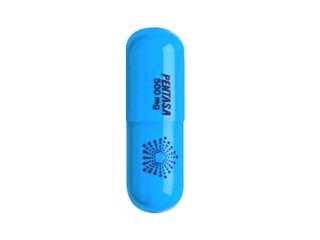

Pentasa (Mesalazine) – Patient-Friendly Guide (Australia)
Pentasa contains mesalazine (also called 5-aminosalicylic acid or 5-ASA). It is a well-known medicine used to treat certain inflammatory bowel conditions, particularly ulcerative colitis. This guide explains what Pentasa is, how it works, how it behaves in the body, and practical tips for safe use in everyday life in Australia.
Note: Individual needs vary. Always follow the instructions given by your treating clinician and the product label/consumer medicine information for your exact formulation.
1) Basic product information
| Category | Details |
|---|---|
| Medicine | Pentasa |
| Active ingredient | Mesalazine (5-ASA) |
| Medicinal class | Anti-inflammatory bowel medicine (aminosalicylate) |
| Common formulations | Modified-release products (e.g., tablets or granules depending on brand/strength) |
| Where it acts | Primarily within the intestinal lining |
| Typical role | Induction and/or maintenance of remission in inflammatory bowel disease |
2) What Pentasa is used for (typical use and indications)
Pentasa is used to treat inflammatory conditions of the bowel, especially:
- Ulcerative colitis (UC):
- To treat active disease (inducing remission)
- To help maintain remission (preventing flare-ups)
- Crohn’s disease (in selected patients):
- Particularly where inflammation involves the colon
Your clinician may choose Pentasa depending on the site and severity of your bowel inflammation, your previous response to treatment, and your overall health.
3) How Pentasa works (mechanism of action)
Mesalazine is an anti-inflammatory medicine that helps reduce inflammation in the bowel. While the detailed mechanism is complex, the main actions include:
- Targeting inflammation locally in the intestinal lining
- Reducing inflammatory mediators involved in bowel inflammation
- Modulating immune responses that contribute to ongoing irritation and ulceration
- Promoting healing of the affected mucosa over time
Important: Pentasa helps control the inflammatory process. It is not an immediate symptom-reliever like some fast-acting medicines; many people feel benefit over days to weeks.
4) Pharmacokinetics (how your body handles it)
Pharmacokinetics describes how the medicine is absorbed, distributed, metabolised, and eliminated. For mesalazine, these features help explain why it is designed to deliver the active drug to the bowel.
Absorption
- Limited systemic absorption compared with how much acts locally in the gut.
- The formulation (modified-release) is designed to release mesalazine along the intestinal tract.
Distribution
- Mesalazine mainly acts within the intestinal wall.
- Small amounts may enter the bloodstream.
Metabolism
- Mesalazine is metabolised to N-acetyl-5-ASA (often written as 5-ASA acetyl metabolite) largely in the intestinal wall and/or liver.
Elimination
- Excretion is mainly via the kidneys (including mesalazine and metabolites).
- Because kidney clearance matters, renal monitoring is important for long-term use.
Clinical takeaway: Pentasa’s local delivery helps treat bowel inflammation while keeping systemic exposure relatively low, but kidney function still needs consideration.
5) When to take Pentasa (timing and dosing routines)
Your exact dosing schedule depends on your condition, symptom severity, and the specific Pentasa strength/formulation you have. Many people use split dosing to improve convenience and consistency.
General timing tips
- Take at the same times each day to help maintain steady delivery to the bowel.
- Some regimens are once daily while others are twice daily or more—follow your prescribed directions.
- For modified-release products, do not crush or open unless the product instructions specifically allow it.
How long before benefit?
- Some symptom improvement may occur in days.
- More meaningful control of inflammation may take weeks.
- If symptoms worsen or fail to improve, discuss promptly with your clinician.
Do not stop suddenly without medical advice, especially if you are using Pentasa to maintain remission.
6) Food interactions (what to consider with meals)
In many cases, food does not significantly change mesalazine’s ability to act. However, practical points include:
- Take Pentasa with water, as directed.
- If your dose upsets your stomach, consider taking it with food (unless your specific product instructions say otherwise).
- Consistency helps—try to take doses in a routine that suits your digestion.
Practical note: For modified-release formulations, the key is to follow how the product is intended to release in the gut. Food is usually not the main issue; how you handle the dose is.
7) Alcohol and medicine interactions
Alcohol
- There is no universal “unsafe” alcohol rule for mesalazine, but alcohol may worsen gastrointestinal symptoms in some people.
- Alcohol can also affect overall health and adherence when symptoms are active.
- Moderation is sensible, and avoid alcohol if it triggers flare symptoms (e.g., diarrhoea, abdominal pain, reflux, or fatigue).
Interactions with other medicines
Mesalazine can interact indirectly via kidney effects and additive side effects depending on your medicines. Common considerations include:
- Other medicines affecting the kidneys (e.g., some NSAIDs such as ibuprofen or diclofenac) may increase renal risk, especially in people with existing kidney problems or dehydration.
- Azathioprine/6-mercaptopurine (thiopurines): combined use may increase the need for blood test monitoring (discuss your exact regimen).
- Blood-thinning medicines (e.g., warfarin) and other drugs affecting blood clotting: monitor for unusual bleeding/bruising if used together (your clinician will advise based on your situation).
- Antacids and acid-changing agents: some may affect how salicylate formulations behave in the gut; always check product guidance for your specific formulation.
Always tell your clinician or pharmacist about all medicines, vitamins, and supplements (including “natural” products). This includes NSAIDs, antibiotics, and any recent changes.
8) Dosing guidance (general information)
Important: Dosing differs by condition, age, disease severity, and formulation. Use only the dosing plan you were given. Below is general information commonly used as a starting point.
Adults (typical patterns)
- In ulcerative colitis, dosing may be multiple times daily depending on strength and formulation.
- In some cases, the same medicine is used for both induction and maintenance with dose adjustments over time.
Children
- Children with inflammatory bowel disease should be managed by a specialist team.
- Dosing is based on body weight and clinical response; dosing schedules should be confirmed with the prescribing clinician.
If you miss a dose
- Take the missed dose when you remember if it is close to the next dose.
- If it’s nearly time for the next dose, skip the missed dose and resume your normal schedule.
- Do not take a double dose to make up for the missed one.
9) Safety profile and side effects
Many people tolerate mesalazine well. However, like all medicines, Pentasa can cause side effects. Below is a practical overview of what to watch for.
Common side effects
- Headache
- Nausea or stomach discomfort
- Diarrhoea (may be hard to distinguish from symptoms of bowel disease)
- Abdominal pain
- Rash (occasionally)
Less common but important risks
- Kidney effects (rare but important):
- May present as reduced urine output, swelling, or abnormal urine changes
- Renal function monitoring is typically recommended
- Blood-related effects (rare):
- Unusual bruising, persistent fever, sore throat, or fatigue should be reported promptly
- Liver issues (rare):
- Watch for yellowing of eyes/skin, dark urine, or severe fatigue
- Hypersensitivity reactions (rare):
- Hives, swelling of face/lips, breathing difficulties, or severe rash require urgent care
When to seek urgent medical help
- Signs of severe allergic reaction (e.g., swelling of face/lips, trouble breathing)
- Severe abdominal pain, persistent vomiting, or significant worsening symptoms
- Symptoms suggesting kidney trouble (major reduction in urine, marked swelling)
- High fever or signs of serious infection
10) Practical use tips (getting the best results)
- Adherence matters: consistent dosing helps reduce relapse risk and supports long-term control.
- Take as directed: do not crush/open tablets or sachets unless the instructions for your specific product allow it.
- Track symptoms: keep a simple record of bowel frequency, urgency, blood in stool, abdominal pain, and side effects.
- Stay hydrated: dehydration can strain the kidneys—especially during diarrhoea flares.
- Plan your routine: linking doses to regular events (breakfast/dinner) improves consistency.
- Regular monitoring: your clinician may request periodic blood and urine tests, particularly to assess kidney function.
Missed doses: missing occasional doses may reduce effectiveness, especially during active inflammation. If you regularly miss doses, discuss barriers (timing, affordability, side effects) so the plan can be adjusted.
11) Alternative options (if Pentasa isn’t suitable)
Depending on your condition and response, clinicians may consider other therapies. Options include:
Other 5-ASA products
- Different mesalazine/5-ASA formulations (e.g., other brands or dosing schedules) may be suitable based on release characteristics and tolerability.
Other medicines for ulcerative colitis or Crohn’s disease
- Corticosteroids for short-term control in some flares (not typically for long-term maintenance)
- Immunomodulators (e.g., thiopurines) for certain patients
- Biologic therapies and other advanced treatments for moderate to severe disease
- Supportive treatments (e.g., pain management, nutritional support, treatment of complications)
Choice depends on disease extent, severity, prior therapy response, and safety considerations. If you’re switching, your clinician will guide how to transition safely.
12) Market and legal context in Australia (overview)
In Australia, medicines are regulated by the Therapeutic Goods Administration (TGA). Product availability and classification (such as whether a medicine is on the Australian Register of Therapeutic Goods and the specific scheduling/classification) may vary.
Pentasa is commonly used in inflammatory bowel disease and is available through Australian pharmacy channels. Availability can depend on strength, formulation, and whether a particular pack is in stock. Your pharmacist can advise on ordering options if a specific strength is temporarily unavailable.
Freshness and supply: Pharmacies typically store medicines according to label requirements (e.g., temperature protection). Modified-release medicines should be kept sealed and handled as directed.
13) Recent guidance and monitoring (what patients are commonly advised)
Across modern inflammatory bowel disease care, key themes include:
- Objective monitoring: symptom reports are important, but clinicians may also use blood tests, stool tests, endoscopy, or imaging depending on your situation.
- Regular safety checks: for mesalazine-containing medicines, kidney monitoring is commonly recommended.
- Prompt review of flare symptoms: persistent or worsening symptoms should trigger early clinical review rather than waiting.
- Individualised treatment: dose may be adjusted to achieve remission and maintain it.
Your clinician will tailor the plan to your disease pattern and personal risk factors.
14) Delivery and availability (online pharmacy notes)
Availability of Pentasa can vary by strength and formulation. When ordering online in Australia, consider the following:
- Stock checks: if your preferred strength is out of stock, pharmacies may provide an estimated restock time or offer an alternative available formulation after clinician/pharmacist discussion.
- Delivery timing: delivery schedules depend on location and courier services. Allow extra time for regional delivery.
- Packaging: medicines are typically shipped in protective packaging; keep the product in its original container.
- Storage: follow the instructions on the pack (typically store below 25°C unless the label says otherwise; protect from moisture where relevant).
If you need urgent supply due to an active flare, contact customer support to confirm dispatch and delivery times.
15) FAQ (Frequently asked questions)
How quickly will Pentasa start working?
Many people notice some improvement within days to a few weeks, but full benefit may take several weeks. If you don’t improve or you worsen, speak with your clinician promptly.
Can I take Pentasa with food?
Usually yes. Food is often not a major issue, but to avoid stomach discomfort you may choose to take it with meals if your product instructions allow. Keep timing consistent.
Is it safe to drink alcohol while taking Pentasa?
Moderation is sensible. Alcohol can irritate the gut and may worsen symptoms for some people. Avoid alcohol if it triggers your flare or makes symptoms worse.
What should I do if I miss a dose?
Take it when you remember unless it’s close to the next dose. If close, skip the missed dose and resume your normal schedule. Don’t double up.
Do I need blood or urine tests?
Many clinicians monitor kidney function and sometimes other parameters during mesalazine therapy, especially with longer-term use or if you have kidney risk factors. Follow your clinician’s monitoring plan.
What side effects are most important to watch for?
Most side effects are mild (e.g., headache or nausea). Seek urgent help for signs of severe allergy, significant worsening of symptoms, or kidney-related symptoms such as marked changes in urination or swelling.
Can I take other anti-inflammatory pain medicines (NSAIDs) with Pentasa?
Some NSAIDs may affect kidney function, and risk can be higher if you’re dehydrated or unwell. Discuss with your pharmacist or clinician before using frequent NSAIDs.
What if Pentasa doesn’t control my symptoms?
Ulcerative colitis and Crohn’s disease can be variable. If Pentasa isn’t enough, your clinician may adjust the dose, switch to another formulation, or add additional treatments depending on disease severity and your test results.
Can I switch from another mesalazine product to Pentasa?
Often possible, but the exact dose and formulation matters. Always confirm the switch plan with your pharmacist or clinician to maintain appropriate release and total daily exposure.
Is Pentasa suitable for children?
It may be used in paediatric inflammatory bowel disease, but dosing is weight- and condition-specific. Treatment should be supervised by a paediatric gastroenterology team.
Summary
Pentasa (mesalazine) is an aminosalicylate anti-inflammatory medicine designed to deliver treatment within the bowel. It helps manage ulcerative colitis (and selected Crohn’s disease cases) by reducing intestinal inflammation and supporting remission. Most patients tolerate it well, but safety monitoring—especially for kidney function—is important. If you experience worsening symptoms, signs of allergy, or other concerning effects, contact a healthcare professional promptly.
If you’d like, tell us which Pentasa strength/formulation you’re considering (or your current one), and we can help you find the relevant dosing schedule and product-specific instructions from the label information.