Torsemide (for patients): Uses, how it works, safety and practical information (Australia)
Torsemide is a medicine used to help the body get rid of excess fluid (water) and, in some cases, lower blood pressure. It belongs to a group of medicines called loop diuretics. Torsemide is commonly used in conditions where fluid can build up in the body, such as heart failure and certain kidney-related fluid problems.
This page explains how torsemide works, when it’s typically taken, key interactions (including with food, alcohol and other medicines), what to expect, and important safety information to help you use it confidently.
Basic product information
- Medicine name: Torsemide
- Medicine type: Loop diuretic (“water tablet”)
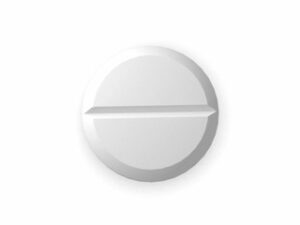
- Common forms: Tablets (strengths vary by product brand)
- How it’s used: Taken by mouth
- Who it’s for: Adults who need fluid reduction or blood pressure support due to medical conditions
If you’re not sure about your specific strength or instructions, check your local product pack or the medication label.
How torsemide works (mechanism of action)
Torsemide works in the kidneys. It blocks a transport system (the Na+/K+/2Cl− co-transporter) in a part of the kidney called the loop of Henle. This reduces the reabsorption of sodium and chloride, leading to:
- More sodium and water staying in the urine
- Increased urine output (diuresis)
- A decrease in the volume of fluid circulating in the body
- Reduced swelling and breathlessness associated with fluid overload in conditions like heart failure
- Potential lowering of blood pressure in some people
Because it affects salt handling and fluid balance, torsemide can also change levels of minerals such as potassium, magnesium, and sometimes sodium.
Pharmacokinetics: how your body processes torsemide
While individual responses vary, the general behaviour of torsemide includes:
| Topic | What to expect (general) |
|---|---|
| Absorption | Torsemide is absorbed after oral dosing. Food may slow absorption for some people, though the overall effect may be similar for many. |
| Onset | Urine output typically increases within hours after a dose. |
| Duration | Torsemide has a relatively sustained effect compared with some other diuretics, though duration varies by person and kidney function. |
| Elimination | Primarily cleared through the kidneys. Kidney function strongly influences how the body handles the medicine. |
| Relevance for monitoring | Because it affects salts and fluids, blood tests may be used to monitor kidney function and electrolyte levels. |
Typical use in Australia: what torsemide is used for
Torsemide is commonly used to treat conditions where fluid builds up in the body. Typical uses include:
- Heart failure: to reduce swelling (oedema) and fluid overload, helping relieve symptoms such as shortness of breath and leg swelling.
- Oedema from other causes: when fluid retention occurs, depending on your doctor’s assessment.
- High blood pressure (hypertension): in some cases, as part of a broader treatment plan.
The exact reason you’ve been prescribed torsemide will depend on your diagnosis and overall medical history.
Indications: when torsemide may be considered
In clinical practice, torsemide is considered when diuresis (increased urine production) is needed. This can include:
- Fluid overload states, including those related to congestive heart failure
- Peripheral oedema (swelling in legs/ankles) due to fluid retention
- Pulmonary congestion symptoms in relevant heart conditions (where fluid contributes to breathing difficulty)
- Selected cases of hypertension where a diuretic is suitable
How to take torsemide: dosing and timing
Your dose and schedule depend on your condition, kidney function, age, and other medicines. The information below is general guidance. Always follow the directions on your medication label.
Typical dosing approach (general)
- Oedema/fluid overload: often started at a dose that achieves a reduction in swelling and breathlessness.
- Blood pressure: may require lower or adjusted doses compared with fluid overload treatment.
Timing tips to reduce night-time disruption
- Takes earlier in the day: Many people find it helps to take torsemide in the morning to reduce waking to urinate at night.
- Multiple doses: If your regimen is more than once daily, your dosing times are usually arranged to limit overnight urination.
- Consistency matters: Take it at similar times each day.
Example schedule (illustrative)
- Once daily: usually morning
- Twice daily (if prescribed): morning and early afternoon
The actual times and number of doses should always match your labelled instructions.
Food interactions: what to know
Food generally does not “cancel” torsemide, but it can influence how fast it is absorbed. In many cases, taking torsemide with or without food may be acceptable. However:
- Keep it consistent: Try to take torsemide the same way each day (with food or without food), unless advised otherwise.
- Stomach upset: If torsemide causes nausea for you, taking it with a small snack may improve tolerability.
- Salt intake: For conditions like heart failure or oedema, your healthcare team may recommend a consistent diet and sometimes limits on dietary sodium (salt). Follow personalised dietary advice.
If you have been advised to follow a specific fluid or salt plan, those recommendations are often more important than whether torsemide is taken with meals.
Alcohol interactions and practical considerations
Alcohol can affect hydration status and blood pressure. Torsemide already changes fluid and electrolyte balance, and alcohol may increase the risk of:
- Dizziness or feeling faint, particularly when standing up
- Dehydration (especially if alcohol leads to reduced fluid intake)
- Electrolyte imbalance indirectly, if overall intake is affected
If you choose to drink alcohol, consider:
- Limiting intake
- Ensuring adequate water intake
- Avoiding alcohol if you’ve recently had low blood pressure, marked dizziness, or significant fluid loss
Ask your healthcare professional what’s safest for your individual situation.
Medicine interactions: common interaction types
Torsemide can interact with other medicines, mainly because it changes fluid and salt levels and can influence kidney function. The list below is not exhaustive, but it highlights important categories to discuss with your pharmacist or doctor.
1) Medicines that can affect potassium
- Other diuretics and some laxatives can increase risk of low potassium (hypokalaemia).
- Corticosteroids (e.g., prednisolone) may increase potassium loss.
- Some asthma inhalers (such as high-dose beta-agonists) may contribute to potassium lowering in certain cases.
2) Medicines that can affect kidney function or electrolytes
- Non-steroidal anti-inflammatory drugs (NSAIDs) (e.g., ibuprofen, naproxen) can reduce the diuretic effect and increase risk to kidneys, particularly in susceptible people.
- ACE inhibitors and angiotensin receptor blockers (ARBs) (often used in heart failure or blood pressure) can interact in terms of blood pressure and kidney function, especially during dose changes.
- Mineralocorticoid antagonists (like spironolactone or eplerenone) may alter potassium in either direction; monitoring may be needed.
3) Medicines affecting heart rhythm
- If torsemide causes low potassium or magnesium, it may increase risk of rhythm problems in people taking certain heart rhythm medications.
- Digoxin levels and effects can be influenced by electrolyte changes (especially potassium).
4) Lithium
- Lithium can interact with diuretics and may become more toxic. If you take lithium, you should seek specific advice from your prescriber and pharmacist.
5) Diabetes medicines
- Diuretics can indirectly affect blood glucose control in some people.
- Monitor your glucose as advised if you have diabetes.
Always provide your pharmacist with a list of current medicines (including over-the-counter products and herbal supplements) to check for interactions.
Safety profile: what to watch for
Like all medicines, torsemide can cause side effects. Many are related to its effects on fluid and electrolytes. Some effects are expected (like increased urination), while others require urgent attention.
Common or expected effects
- Increased urination after each dose
- Thirst or dry mouth
- Light-headedness (especially when standing up)
- Muscle cramps or weakness (may relate to electrolyte changes)
Important potential adverse effects
- Low blood pressure (hypotension), leading to dizziness or fainting
- Low potassium (hypokalaemia): may cause cramps, weakness, abnormal heartbeats
- Low magnesium (hypomagnesaemia): may contribute to cramps or rhythm issues
- Kidney function changes, particularly if dehydrated or when starting/changing dose
- Electrolyte imbalance (including low sodium in some situations)
Seek urgent medical help if you have
- Severe dizziness, fainting, or confusion
- Signs of a serious allergic reaction: swelling of face/lips, difficulty breathing, or hives
- Very reduced urine output or symptoms of severe dehydration
- Fast, irregular heartbeat or chest pain
Practical use tips for everyday life
- Plan around bathroom access: The effect is strongest after taking a dose; keep this in mind for travel or activities.
- Stand up slowly: To reduce dizziness, especially in the morning or after a dose.
- Check your swelling and weight: If you’re using torsemide for fluid overload, monitoring weight at home can help track response. Use a consistent weighing routine (same time of day, similar clothing) and follow your healthcare plan.
- Don’t adjust the dose on your own: Changes can quickly affect fluid balance and electrolytes.
- Stay hydrated safely: If you’ve been given fluid limits (common in heart failure), follow them closely.
- Use medication reminders: A routine helps prevent missed doses.
Medication monitoring: blood tests and follow-up
Because torsemide affects fluid balance and electrolytes, clinicians often monitor:
- Kidney function (e.g., creatinine/eGFR)
- Electrolytes (especially potassium and sodium)
- Blood pressure and symptom control
Monitoring frequency depends on your dose, kidney health, and whether you’ve recently had dose changes or intercurrent illness (such as vomiting/diarrhoea).
Alternative options to torsemide
Depending on your condition and medical history, your clinician may consider other diuretics or treatment strategies. Alternatives may include:
- Other loop diuretics: furosemide, bumetanide
- Thiazide or thiazide-like diuretics: for selected cases (often for blood pressure or combined regimens)
- Potassium-sparing approaches: may be used in combination depending on potassium levels and overall heart-kidney plan
- Non-diuretic strategies: for heart failure, treatments may include disease-modifying therapies in addition to symptom control
If you’re considering switching, it should be done with guidance, because doses and effects are not identical across diuretics.
Market and legal context for Australia
In Australia, medicines are regulated under the TGA (Therapeutic Goods Administration) framework and can be made available via different channels depending on the product’s classification and intended use. Access and supply may be subject to pharmacy and prescribing rules, packaging requirements, and patient-safety safeguards.
Product availability may vary by brand, strength and ongoing supply schedules. Your pharmacy can confirm what’s currently listed and available for order.
Recent guidance and practical updates (general)
Healthcare guidance for diuretics commonly emphasises:
- Individualised dosing based on response and kidney function
- Electrolyte and kidney monitoring, particularly after starting or changing dose
- Managing “intercurrent illness” (e.g., vomiting/diarrhoea/dehydration) carefully—diuretics may need review in some situations
- Patient education on orthostatic symptoms and when to seek help
If you have a recent change in symptoms, an acute illness, or reduced intake, contact your healthcare professional promptly for advice on continuing torsemide.
Delivery and availability (online pharmacy information)
Many pharmacies in Australia offer online ordering with options for home delivery or collection where available. Delivery timeframes depend on location, stock availability and courier schedules.
- Availability: Torsemide products may be stocked or may require sourcing depending on strength and brand.
- Packaging: Medicines are typically supplied in original pharmacy packaging to support safe storage and identification.
- Storage: Store as directed on the label (often at room temperature away from moisture and heat).
If a product is temporarily unavailable, your pharmacy may offer an alternative strength/brand if appropriate and permitted, or advise on ordering timing.
Safety checklist before you start (or continue) torsemide
- Tell your pharmacist if you have kidney disease, low blood pressure, or a history of dehydration.
- Confirm your current list of medicines and supplements—especially NSAIDs, heart rhythm medicines, and diabetes medicines.
- Be aware of symptoms of electrolyte imbalance (cramps, weakness, palpitations) and dehydration.
- Ask about safe fluid/salt targets if you’re managing heart failure or oedema.
FAQ: Torsemide (patients)
1) Why do I pee more after taking torsemide?
Torsemide increases urine production by changing how your kidneys handle salt and water. This helps reduce fluid overload and swelling.
2) How quickly will torsemide start working?
Many people notice increased urination within a few hours. Symptom improvement (like reduced swelling or breathlessness) can take longer and depends on the cause of fluid retention.
3) Can I take torsemide with food?
Often torsemide can be taken with or without food. For consistency and comfort, many people take it the same way each day. If you get stomach upset, a light snack may help—unless your clinician has advised otherwise.
4) Should I avoid salt?
For conditions involving fluid retention, salt targets are important. Your healthcare professional may advise you to limit dietary sodium. Follow your personalised plan rather than general advice.
5) What if I miss a dose?
If you miss a dose, take it when you remember unless it’s close to the next dose time. Avoid doubling doses. If unsure, ask your pharmacist for advice based on your schedule.
6) Are there signs that my dose is too high?
Possible signs include marked dizziness, fainting, severe weakness, or very low urine output despite taking the medicine, along with lab abnormalities (low electrolytes or worsening kidney function). Seek advice promptly if you notice these.
7) Can I drive after taking torsemide?
If torsemide makes you light-headed, avoid driving or operating machinery until you know how it affects you. Stand up slowly and consider taking it earlier in the day if night-time urination or dizziness occurs.
8) Is it safe with other medicines?
Torsemide can interact with several medicine types (including NSAIDs, lithium, digoxin, and certain blood pressure/heart medications). Always check with your pharmacist when starting or stopping medicines.
9) Can I drink alcohol?
Alcohol may worsen dizziness and dehydration risk when you’re on a diuretic. If you choose to drink, keep it modest and stay hydrated. If you’ve had low blood pressure or significant side effects, it’s safer to avoid alcohol or seek advice first.
10) What should I do if I get vomiting or diarrhoea?
Vomiting/diarrhoea can cause dehydration and electrolyte shifts, which may make diuretic side effects more likely. Contact your healthcare professional for guidance on whether torsemide should be continued, held or adjusted during illness.
Summary
Torsemide is a loop diuretic used to reduce fluid overload and sometimes help lower blood pressure. It works by acting on salt transport in the kidney, increasing urine output and helping relieve symptoms related to swelling and congestion. Because it can affect electrolytes and kidney function, safe use involves the right timing, awareness of interactions (including with NSAIDs, certain heart medicines and alcohol), and appropriate monitoring.
If you have any questions about how to take torsemide, what to expect, or how it may interact with your current medicines, speak with your pharmacist.