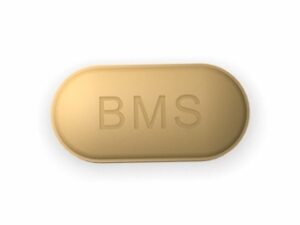
Glucotrol (Glipizide) – Patient Guide for People Living in Australia
Glucotrol is a brand of glipizide, a medicine used to help control blood glucose in adults with type 2 diabetes. This page explains how glipizide works, how it’s usually taken, what to watch for, and how it fits into diabetes care. It is written to be patient-friendly and Australia-focused.
| Topic | Summary |
|---|---|
| Active ingredient | Glipizide |
| Medicine type | Oral blood-glucose lowering medicine (sulfonylurea) |
| Common use | Helps lower blood sugar in type 2 diabetes |
| How it works | Stimulates the pancreas to release insulin |
| Key risk | Low blood sugar (hypoglycaemia), especially if meals are skipped or with other medicines |
| Typical timing | Often taken shortly before meals (exact timing depends on formulation) |
Basic product information
Glucotrol contains glipizide. Glipizide belongs to the class of medicines called sulfonylureas. These medicines help the body make more insulin when blood glucose rises.
In Australia, diabetes medicines are widely prescribed and monitored according to clinical guidelines. Your healthcare team may adjust your dose based on blood glucose readings, your overall health, kidney function, and other medicines.
Important: The exact dose and formulation (for example, immediate-release vs other forms) can influence timing and how you should take the medicine. Always follow the directions given to you and check the label.
How Glucotrol (glipizide) works (mechanism of action)
Glipizide works mainly by:
- Closing ATP-sensitive potassium (KATP) channels in pancreatic beta cells
- This leads to cell depolarisation
- Then the beta cells release insulin into the bloodstream
Because glipizide increases insulin release, it can lower blood glucose even when dietary intake is lower than usual, which is why hypoglycaemia is a key safety consideration.
Pharmacokinetics (how the body handles the medicine)
Pharmacokinetics describes what the body does to the drug—absorption, distribution, metabolism, and elimination. The following is an overview of commonly reported characteristics for glipizide:
- Absorption: Glipizide is absorbed from the gastrointestinal tract after oral dosing.
- Onset: Blood-glucose lowering effects typically begin after the dose and are designed to match meal-related glucose rise (timing is important).
- Metabolism: Glipizide is metabolised primarily in the liver.
- Elimination: Metabolites are excreted mainly via urine. Very small amounts of unchanged drug may be present depending on metabolism and patient factors.
- Half-life: The effective duration is sufficient to manage day-to-day glucose but may vary between individuals. Dose frequency is determined by the formulation and clinical response.
Because glipizide is metabolised in the liver, your doctor may recommend extra caution in liver disease. If you have kidney or liver issues, your healthcare team may choose a different dose or medicine strategy.
Typical use in diabetes care
Glipizide is used in type 2 diabetes to improve blood glucose control. It may be used:
- Alone if appropriate, especially when diet and exercise alone are insufficient
- With other medicines (for example, metformin or certain additional glucose-lowering agents) if targeted control is not achieved
- As part of a broader diabetes management plan including meal planning, physical activity, and regular monitoring
Glipizide is intended to complement lifestyle and self-care measures, not replace them.
Indications (when Glucotrol is used)
Glucotrol (glipizide) is indicated for the treatment of type 2 diabetes mellitus in adults where oral therapy is appropriate.
It is generally not used for type 1 diabetes and is not an insulin replacement. If you have concerns about your diagnosis, discuss them with your healthcare professional.
How to take Glucotrol: dosing and timing
Your dose depends on your blood glucose levels, response, age, and other medical factors. Doses may be started low and increased gradually to reduce the risk of hypoglycaemia.
General guidance commonly used for sulfonylureas:
- Take doses before meals, because the insulin release effect is linked to food intake.
- Do not skip meals after taking the medicine.
- Follow your prescriber’s directions exactly, including dose changes and any titration schedule.
Common dosing pattern (example): Some adults take glipizide once or twice daily. The most suitable schedule will depend on your specific formulation and your glucose readings.
If you miss a dose:
- Take it as soon as you remember if it is close to your planned meal time.
- If it’s near the time of the next dose, skip the missed dose and return to your usual schedule.
- Do not take double to make up for a missed dose.
If you’re unsure about timing: Check your product label or ask a pharmacist. Timing can be especially important to avoid low blood sugar.
Food interactions (what to eat and what to avoid)
Diet and meal timing can strongly affect how safely and effectively glipizide works.
1) Meal timing and hypoglycaemia risk
Because glipizide increases insulin release, taking it without eating (or with a much smaller meal than usual) can raise the chance of hypoglycaemia. This can occur as shakiness, sweating, hunger, dizziness, or confusion.
2) Consistent carbohydrate intake
Try to keep your meal patterns consistent. If you change your diet significantly—such as reducing carbohydrates—your glucose control strategy may need adjustment to prevent low blood sugar.
3) Alcohol and skipped food
Alcohol can increase hypoglycaemia risk, particularly if you drink without eating. See the alcohol section below.
Alcohol interactions
Alcohol can interact with glipizide in ways that may increase the risk of low blood sugar and can affect how your body handles glucose. In general, it’s safer to:
- Avoid drinking alcohol on an empty stomach
- Monitor blood glucose more closely if you choose to drink
- Discuss with your healthcare professional whether alcohol is appropriate for you and how much is safest
If you have diabetes complications, liver disease, or a history of hypoglycaemia, ask for personalised guidance.
Other medicine interactions
Some medicines can either increase or decrease the blood-glucose lowering effect of glipizide, which can change your hypoglycaemia or hyperglycaemia risk.
Always tell your pharmacist and doctor about all medicines you take, including over-the-counter products, vitamins, herbal supplements, and occasional medications.
Common interaction categories include:
- Other blood-glucose lowering medicines (for example, insulin or other agents): may increase hypoglycaemia risk
- Some antibiotics and antifungals: may influence blood glucose response in certain people
- Some cardiovascular medicines: can affect awareness of hypoglycaemia symptoms in some cases
- Chronic corticosteroids (for example, prednisone): may increase blood glucose and reduce the effect of glipizide
- Non-steroidal anti-inflammatory drugs (NSAIDs) and other medicines: may affect glucose control in some individuals
- Herbal and complementary products: some may influence glucose levels or liver metabolism—ask before use
Practical tip: If you start a new medicine, check with a pharmacist about potential interaction effects and whether your glucose monitoring should change for a short time.
Safety profile: important risks and who needs extra caution
Like all diabetes medicines, glipizide can cause side effects. Some are mild; others require urgent action.
Most important: hypoglycaemia (low blood sugar)
Hypoglycaemia is the key safety concern with sulfonylureas. Risk is higher when:
- You skip meals or eat less than usual
- You exercise more than planned
- You take other glucose-lowering medicines
- You have kidney or liver impairment
- You are older or have reduced ability to notice symptoms
Symptoms may include:
- Shaking, sweating, fast heartbeat
- Hunger, nausea
- Dizziness, headache
- Confusion, irritability, difficulty concentrating
What to do: Treat immediately with fast-acting carbohydrate (for example, glucose tablets or sweetened drinks), then recheck your blood glucose if instructed by your diabetes plan. Seek medical help urgently if you cannot swallow safely, lose consciousness, or symptoms are severe.
Other possible side effects
- Weight gain: can occur with some sulfonylureas due to insulin effects and improved glucose utilisation
- Gastrointestinal upset: nausea or stomach discomfort may occur in some people
- Allergic reactions: rarely, rashes or more serious reactions can occur
- Liver effects: uncommon, but liver problems should be discussed—seek advice if you develop jaundice or unusual fatigue
When to contact a healthcare professional promptly
- You have repeated low blood sugar episodes
- Your readings are high despite taking your dose correctly
- You are unwell, unable to eat normally, or vomiting (sick-day management may be needed)
- You notice new symptoms that could suggest an adverse reaction
Practical use tips for everyday life
1) Use a consistent routine
- Take glipizide at the times recommended for your formulation
- Plan meals around dosing whenever possible
- Set reminders if you tend to forget doses
2) Monitor blood glucose as advised
Monitoring helps your healthcare team fine-tune dosing and supports safer treatment. The ideal schedule varies by your treatment plan.
3) Carry fast sugar
If you are at risk of hypoglycaemia, keep quick sugar available (for example, glucose tablets, gel, or sugary drink). Consider letting family and friends know you take a medicine that can cause low blood sugar.
4) Driving and work safety
If you develop warning symptoms of hypoglycaemia, stop driving and treat promptly. Diabetes can affect driving safety if glucose is too low. Follow local guidelines and your healthcare professional’s advice regarding fitness to drive.
5) Sick-day management
If you are unwell with vomiting, diarrhoea, fever, or you can’t eat normally, your blood glucose may fluctuate. Low intake increases hypoglycaemia risk, while illness can increase glucose needs. Ask your pharmacist or doctor for a personal sick-day plan.
Alternative options to consider
Depending on your individual needs, your healthcare team may consider alternative medicines or regimens. Options commonly used in type 2 diabetes include:
- Metformin (often first-line)
- DPP-4 inhibitors
- SGLT2 inhibitors
- GLP-1 receptor agonists (injectable)
- Insulin (when needed for control or during certain clinical situations)
- Other sulfonylureas (if glipizide isn’t suitable)
The “best” option depends on your kidney function, cardiovascular risk, body weight considerations, hypoglycaemia risk, cost, access, and preferences. If you’re considering changes, discuss them early so there is no gap in effective diabetes management.
Glucotrol (glipizide) in the Australian market: legal and healthcare context
In Australia, diabetes medicines are supplied through community pharmacies and are regulated under national medicines legislation. Glipizide-containing products are part of ongoing diabetes care strategies supported by clinical guidelines and safety monitoring.
Many people in Australia use glucose-lowering medicines long term, with adjustments based on HbA1c results and blood glucose monitoring. Your healthcare provider may also monitor related factors such as kidney function, liver health, and cardiovascular risk.
Recent guidance and best practice (general): Australian diabetes management commonly emphasises individualised therapy selection, regular HbA1c monitoring, awareness of hypoglycaemia risk, and use of lifestyle measures alongside medicines. Sulfonylureas remain an option, but the choice of agent often considers hypoglycaemia risk compared with other medicine classes.
Delivery and availability (Australia)
Availability of Glucotrol (glipizide) can vary by strength and supply chain timing. Online pharmacies typically offer ordering with:
- Standard or express shipping depending on your location
- Tracking updates once the order is dispatched
- Secure packaging to protect the product during transit
Delivery times can depend on whether the stock is held locally and the shipping method selected. Some products may require additional processing time. If you need your medicine urgently, check the estimated dispatch and delivery window at checkout or contact customer support.
Storage: Keep glipizide tablets in a cool, dry place as directed on the packaging. Store away from moisture and direct sunlight and keep out of reach of children.
Frequently asked questions (FAQ)
Is Glucotrol the same as glipizide?
Yes. Glucotrol is a brand name that contains glipizide as the active ingredient.
How quickly does glipizide start working?
Glipizide begins lowering blood glucose after you take it. Because it is designed to help match meal-related glucose rise, timing around meals is important for best effect and safer use.
Can I take Glucotrol if I skip meals?
It’s generally not recommended to skip meals after taking a sulfonylurea. Skipping food increases the risk of hypoglycaemia. If you frequently skip meals or have irregular eating patterns, discuss this with your healthcare professional—your dose or treatment plan may need adjustment.
What should I do if I get symptoms of low blood sugar?
Treat immediately with fast-acting sugar (like glucose tablets or a sugary drink), then follow your diabetes action plan. Recheck your glucose if you’re able. If symptoms are severe, you lose consciousness, or you’re unable to swallow safely, seek urgent medical assistance.
Does glipizide cause weight gain?
It can. Some people experience weight gain with sulfonylureas, partly due to insulin-related effects and improved glucose utilisation. Lifestyle measures can help, and your healthcare provider can discuss strategies if weight becomes a concern.
Can I drink alcohol while taking Glucotrol?
Alcohol can increase hypoglycaemia risk, especially if you drink without eating. If you choose to drink, consider avoiding empty stomach drinking, monitor your glucose more closely, and discuss safe limits with your healthcare professional—particularly if you’ve had low blood sugar before.
What if my blood sugar stays high despite taking it?
If readings remain high, do not increase the dose on your own. High glucose may happen for many reasons, including missed doses, changes in diet/activity, illness, or interactions with other medicines. Contact your healthcare professional so they can review your plan and adjust safely.
Are there medicines I should avoid?
Many medicines can interact with diabetes therapy. Always inform your pharmacist or doctor about everything you take. If you’re starting a new medication (including antibiotics, corticosteroids, or certain supplements), ask about interaction and whether glucose monitoring should change.
Who should use extra caution with glipizide?
Extra caution is often needed in people with a higher risk of hypoglycaemia (for example, older adults, people with kidney or liver impairment, or those who frequently skip meals) and anyone taking multiple glucose-lowering medicines.
How long will I need to take Glucotrol?
Glucotrol is typically used long term for ongoing blood glucose control, but the specific plan can change over time. Treatment may be adjusted based on HbA1c results, weight, side effects, and changes in overall health.
Key takeaways
- Glucotrol (glipizide) lowers blood glucose by stimulating insulin release in the pancreas.
- Timing with meals matters to reduce the risk of hypoglycaemia.
- Alcohol and missed meals can increase low blood sugar risk.
- Let your healthcare team know about all medicines and supplements you use to help avoid interactions.
- If you experience repeated low blood sugar or feel unwell, contact a healthcare professional promptly.
Disclaimer: This information is for general education and does not replace advice from your pharmacist or doctor. Always read the product packaging and follow personalised instructions for your specific dose and formulation.