
Amaryl (Glimepiride) – Patient-Friendly Guide (Australia)
Amaryl is a brand of the medicine glimepiride, used to help control blood glucose in adults with type 2 diabetes. This guide explains how it works, how to take it safely, important interactions (including with alcohol and other medicines), what to expect from the body’s handling of the drug, and practical tips for everyday use.
Information here is general and designed to help you understand the medicine. Always follow the instructions given by your healthcare professional and the product label.
Quick product information
| Item | Details |
|---|---|
| Brand name | Amaryl |
| Generic name | Glimepiride |
| Medicine type | Sulfonylurea (oral diabetes medicine) |
| Common use | Helps lower blood glucose in type 2 diabetes |
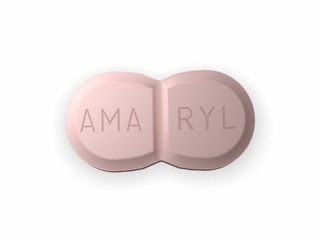
| Typical dosing form | Tablets (strengths vary by market packaging) |
| How it’s usually taken | Once daily, often with breakfast or first main meal |
| Key safety consideration | Risk of hypoglycaemia (low blood sugar) |
How Amaryl works (mechanism of action)
Glimepiride belongs to the sulfonylurea class. It works mainly by stimulating insulin release from the pancreas. In simpler terms, it helps your body release insulin when blood glucose levels rise.
Glimepiride also supports metabolic control by improving how tissues respond to insulin, but the most clinically important effect is its ability to increase insulin secretion.
Why this matters
- Because it increases insulin release, it can sometimes push blood sugar too low, especially if meals are missed, during increased exercise, or when other medicines are used that also lower glucose.
- It is typically used alongside lifestyle measures such as healthy eating and physical activity.
Pharmacokinetics (how the body handles glimepiride)
Pharmacokinetics describes how the medicine is absorbed, distributed, metabolised, and eliminated. While individual responses vary, the following overview can help you understand dosing and timing.
Absorption
- Glimepiride is absorbed after oral dosing, and it reaches peak blood levels within a few hours.
- Food can influence the timing of absorption slightly, but the main goal is consistent daily use.
Distribution
- It binds to plasma proteins, meaning part of the medicine travels attached to blood proteins.
Metabolism
- Glimepiride is metabolised primarily in the liver.
- Metabolites are then eliminated from the body.
Elimination
- The drug and its metabolites are removed mainly through urine (and partially via faeces).
- The overall action lasts long enough for many people to take it once daily.
If you have liver or kidney impairment, your healthcare professional may adjust therapy and monitor glucose closely, because reduced clearance can increase the risk of hypoglycaemia.
Typical use in Australia
Amaryl (glimepiride) is commonly used in adults with type 2 diabetes to improve glycaemic control.
Where it fits in treatment
- Often considered when lifestyle changes alone are not sufficient.
- May be used as monotherapy or in combination with other diabetes medicines, depending on individual circumstances.
- Treatment plans are usually designed to aim for safe, sustainable glucose control while minimising side effects.
In Australia, diabetes medicines are selected based on effectiveness, safety, comorbidities (such as heart or kidney disease), and patient preferences. Clinicians may also consider whether medicines with lower hypoglycaemia risk are more appropriate.
Indications (what it is used for)
Amaryl is indicated for the management of type 2 diabetes mellitus in adults to improve blood glucose control.
It is not intended for type 1 diabetes or diabetic ketoacidosis.
How and when to take Amaryl (timing and practical routine)
Glimepiride is commonly taken once daily, usually with the first main meal of the day. This approach helps reduce the risk of low blood sugar by matching medicine action with food intake.
Typical timing
- Take your dose with breakfast or your first main meal (unless your clinician has directed otherwise).
- Try to take it at the same time each day.
- If you miss a meal, discuss with your healthcare professional—do not simply “make up” the dose without advice.
Consistency is key
- Keep a regular eating pattern to lower the likelihood of hypoglycaemia.
- Be extra cautious during changes in meal schedules (e.g., shift work or travel).
Dosing: how therapy is usually started and adjusted
Dosing should be individualised. Your healthcare professional will determine the dose based on your blood glucose results, overall health, kidney/liver function, and risk factors for hypoglycaemia.
General principles
- Start at a low dose and adjust gradually.
- Dose adjustments are typically guided by self-monitoring and/or HbA1c results.
- Use the lowest effective dose that helps achieve glucose targets safely.
If you take other diabetes medicines
Combining glucose-lowering medicines can change the risk of hypoglycaemia. Your clinician may reduce doses of other medicines when starting or increasing glimepiride.
What to do if you miss a dose
If you miss a dose, take it only if you can do so safely and your next meal timing is appropriate. If you are unsure, contact your healthcare professional or follow the directions on the product information.
Important: Do not double up to “catch up” without medical advice.
Food interactions and meal guidance
Food can influence how safely glimepiride manages your blood glucose. While the medicine helps your body respond to glucose, skipping meals increases the chance of hypoglycaemia.
Recommended approach
- Take glimepiride with your first main meal.
- Avoid skipping meals after taking your dose.
- If you plan to change your diet or meal timing, discuss it with your healthcare professional.
Carbohydrates and glucose monitoring
- Your carbohydrate intake affects blood glucose levels. Consistent meal planning can make glucose effects more predictable.
- Monitoring can help you understand your individual response and guide safer dose adjustments.
Alcohol and medicine interactions
Alcohol can affect blood sugar in multiple ways. It may contribute to low glucose and can also worsen judgement, making it harder to recognise early symptoms of hypoglycaemia.
Alcohol with glimepiride
- Alcohol may increase the risk of hypoglycaemia, particularly if you drink without eating.
- It may also alter how you respond to diabetes symptoms.
If you drink alcohol, do so cautiously and with food. Discuss safe limits with your healthcare professional. Seek medical advice promptly if you experience symptoms of low blood sugar.
Medicine interactions (examples)
Many medications can change the effect of glimepiride or alter blood sugar control. Tell your healthcare professional or pharmacist about all medicines and supplements you use, including over-the-counter products.
Some medicines may increase hypoglycaemia risk or require closer glucose monitoring, for example:
- Other glucose-lowering medicines (such as insulin or other diabetes medicines).
- Certain antibiotics or antifungal medicines that can affect drug metabolism.
- Some heart or blood pressure medicines may mask hypoglycaemia symptoms (e.g., beta-blockers can sometimes reduce awareness of rapid heartbeat).
- Steroids can raise blood glucose, potentially reducing glimepiride’s effect.
- Non-steroidal anti-inflammatory medicines (NSAIDs) may influence glucose control in some people.
This list is not exhaustive. A pharmacist can check interactions with your specific medicines and doses.
Safety profile: side effects and warning signs
As with all medicines, Amaryl can cause side effects. Most people tolerate glimepiride well, but the most important risk is hypoglycaemia.
Hypoglycaemia (low blood sugar) – the key concern
Symptoms can vary, but common early signs include:
- Shakiness or trembling
- Sweating
- Hunger or nausea
- Dizziness or light-headedness
- Headache
- Blurred vision
- Confusion, irritability, or difficulty concentrating
Severe hypoglycaemia may cause fainting, seizures, or loss of consciousness. This is an emergency.
How to respond to suspected low blood sugar
- If you feel symptoms coming on, check your blood glucose if possible.
- Consume fast-acting carbohydrate (e.g., glucose tablets or sweetened drink) if appropriate for your situation.
- Recheck glucose and follow your diabetes action plan.
- If symptoms are severe or you cannot safely take sugar by mouth, seek urgent medical help.
Other possible side effects
Not everyone will experience these. Report concerns to your clinician or pharmacist:
- Weight gain
- Nausea or stomach discomfort
- Changes in blood test results (rarely)
- Allergic reactions (rare)
Seek urgent medical advice if you experience signs of a severe allergic reaction (such as swelling of the face/lips, breathing difficulty, or widespread rash), or if you have severe hypoglycaemia.
Practical use tips for safer everyday control
- Keep regular meals. Do not skip meals after taking glimepiride.
- Monitor when advised. Use your prescribed glucose monitoring plan and track patterns.
- Know your risk factors. Older age, kidney impairment, missed meals, and changes in activity can increase hypoglycaemia risk.
- Carry fast sugar. If recommended, keep glucose tablets or a sugary snack available.
- Be cautious with exercise changes. Increased physical activity can lower glucose; discuss adjustments with your clinician.
- Inform others. Let close family or carers know you take glimepiride and what hypoglycaemia looks like.
- Review medications. Before starting new medicines (including supplements), ask a pharmacist to check interactions.
Who should use Amaryl with extra caution?
Glimepiride may not be suitable for everyone. Extra caution is often needed in people with:
- Kidney impairment (can increase risk of prolonged effects and hypoglycaemia).
- Liver impairment (may affect metabolism).
- Older age or those with reduced awareness of hypoglycaemia.
- Irregular eating patterns, poor appetite, or frequent meal skipping.
- Critical illness or times of reduced food intake (e.g., some acute illnesses).
Your healthcare professional may adjust the dose or consider alternate strategies based on your risk.
Alternative options for type 2 diabetes (general overview)
Depending on your medical history and treatment goals, clinicians may consider other medicines besides glimepiride. Examples of alternative options (not an endorsement of any single approach) include:
Other oral medicines
- Metformin (often first-line for many people)
- DPP-4 inhibitors (lower hypoglycaemia risk in general)
- SGLT2 inhibitors (may have additional benefits in some groups)
- Thiazolidinediones (selected patients only)
Injectable medicines
- GLP-1 receptor agonists
- Insulin (when needed for adequate control)
Treatment choices depend on factors such as kidney function, weight goals, cardiovascular history, side effect preferences, cost, and whether hypoglycaemia is a major concern.
Amaryl in the Australian market: legal and guidance context
In Australia, diabetes medicines are supplied under the medicines scheduling and regulatory framework set by the Australian Government. Many glucose-lowering medicines are available only under specific prescribing and dispensing arrangements.
National and international diabetes guidelines emphasise individualised care—balancing blood glucose control with safety, especially the risk of hypoglycaemia.
Recent clinical trends in diabetes care have increasingly focused on medicines with:
- Lower risk of hypoglycaemia
- Potential cardiovascular and kidney benefits in selected patients
- Support for weight management where relevant
Your clinician will consider how glimepiride compares with other options for your specific situation. Do not stop or change your diabetes medicines without professional advice.
Recent guidance and monitoring considerations
Over time, diabetes guidance has continued to highlight:
- Regular monitoring of blood glucose and HbA1c to ensure targets are being met.
- Attention to hypoglycaemia risk, particularly in older adults and people with kidney impairment.
- Comprehensive diabetes care that includes cardiovascular risk management, blood pressure control, lipid management, and lifestyle interventions.
- Use of patient-centred decision making when choosing between medicines.
If your blood glucose readings are consistently low or high, discuss an adjustment plan promptly.
Delivery and availability (online pharmacy information)
Availability of Amaryl and specific tablet strengths may vary by supplier and current stock levels. When ordering online, you will typically select the required strength and quantity, and the pharmacy will process your order according to regulatory requirements.
Delivery timelines can depend on location and courier services. Orders may be packed and dispatched on business days.
What to check before placing an order
- Check the tablet strength you intend to use.
- Confirm the pack size and expiry details.
- Ensure your delivery address is correct (including suburb and postcode).
- If you take multiple diabetes medicines, verify you receive the correct products.
If you have questions about stock, dispatch times, or delivery options, contact the pharmacy’s customer support team.
Storage and handling
- Store tablets as directed on the pack (typically at room temperature).
- Keep medicines in their original packaging until use.
- Keep out of reach of children.
- Do not use after the expiry date.
FAQ – Amaryl (Glimepiride)
1. What is Amaryl used for?
Amaryl (glimepiride) is used to help control blood glucose in adults with type 2 diabetes.
2. When should I take Amaryl?
It’s commonly taken once daily with your first main meal (often breakfast). Follow your clinician’s instructions and keep the timing consistent.
3. What happens if I miss a meal after taking my dose?
Skipping meals increases the risk of hypoglycaemia. If you can, follow your diabetes action plan for low blood sugar. If you’re unsure, seek advice from your healthcare professional or pharmacist.
4. Can I drink alcohol while taking glimepiride?
Alcohol can increase the risk of low blood sugar. If you choose to drink, do so cautiously and with food, and ask your healthcare professional about safe limits for your situation.
5. What are the signs of low blood sugar?
Early symptoms can include shakiness, sweating, hunger, dizziness, headache, blurred vision, and confusion. Severe symptoms may include fainting or seizures. Treat promptly according to your action plan and seek urgent help for severe cases.
6. Are there medicines that interact with Amaryl?
Yes. Many medicines can affect glimepiride’s effect or your blood sugar control. Always tell your pharmacist and healthcare professional about everything you take, including non-prescription medicines and supplements.
7. Who is at higher risk of hypoglycaemia on glimepiride?
People with irregular eating patterns, older age, kidney impairment, higher doses, increased physical activity, or those taking other glucose-lowering medicines may have a higher risk. Your clinician may adjust dosing and monitoring accordingly.
8. Can Amaryl cause weight gain?
Weight gain can occur in some people. If weight changes worry you, discuss options with your healthcare professional.
9. What should I do if my blood sugar is consistently high?
Don’t increase your dose on your own. Contact your healthcare professional to review your treatment plan, diet, activity, and possible medicine interactions.
10. Are there alternatives if glimepiride isn’t suitable?
Yes. Depending on your health profile, clinicians may consider other diabetes medicines with different benefits and safety profiles. Discuss options tailored to your goals and risk factors.
Important reminder
Effective diabetes management includes more than one medicine. Regular glucose monitoring, healthy eating, physical activity, and attention to cardiovascular risk factors are all important. If you have any concerns about side effects, interactions, or how to adjust your routine around food, illness, or activity, speak with your healthcare professional or pharmacist.