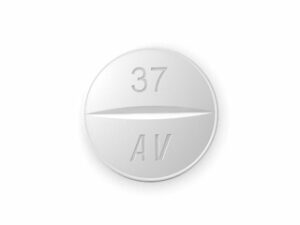
Desmopressin (DDAVP® and generics) — Patient Information
Desmopressin is a medicine used to reduce the amount of urine the body makes by acting on the kidneys. It is available in several forms (commonly tablets, oral melts, and nasal spray), and it may be used for different conditions depending on the dose and formulation.
This page explains how desmopressin works, typical uses, timing, food and medicine interactions, safety considerations, and practical tips for using it correctly in Australia.
Key Product Information
| Category | Details |
|---|---|
| Generic name | Desmopressin |
| Brand examples (may vary) | DDAVP® and other brand/generic options |
| Common forms | Tablets, oral melt/disintegrating tablet, nasal spray (availability varies) |
| Therapeutic area | Antidiuretic hormone (ADH) analogue; helps control urine production |
| Important safety note | Can cause low blood sodium (hyponatraemia) if fluid intake is not managed |
How Desmopressin Works (Mechanism of Action)
Desmopressin is a synthetic version of vasopressin, the body’s natural antidiuretic hormone (ADH). It has a stronger effect on the kidneys for reducing urine production and a much lower effect on blood vessels than natural vasopressin.
In simple terms, desmopressin:
- Activates ADH receptors in the kidney’s collecting ducts.
- Increases water reabsorption back into the bloodstream.
- Reduces urine volume, helping treat conditions where the body makes too much urine.
Pharmacokinetics (Absorption, Onset, Duration)
Pharmacokinetics describes what the body does to the medicine. While exact numbers can vary by formulation and individual, the following general principles apply:
- Absorption: Desmopressin is absorbed after oral dosing, or delivered via the nasal route for nasal spray products.
- Onset of effect: Oral forms typically begin working within about 1 hour (timing may vary).
- Duration: The urine-reducing effect generally lasts several hours, often approximately 6–8 hours for many indications. Your prescriber’s instructions and product type determine the exact timing.
- Elimination: The medicine is cleared by the kidneys. Kidney function matters for safe use.
Because desmopressin acts on water balance, monitoring and appropriate fluid guidance are essential to reduce the risk of low sodium levels.
Typical Uses (Indications)
Desmopressin is used for several conditions. The correct use depends on the underlying diagnosis, the patient’s age, and the formulation/dose.
Common indications include:
- Diabetes insipidus (central diabetes insipidus): a condition where the body cannot make enough ADH, leading to excessive thirst and large volumes of dilute urine.
- Nocturnal enuresis (bedwetting) in selected patients: typically for patients who meet specific criteria and where behavioural and other measures have been considered.
- Specific bleeding disorders (in some cases): desmopressin can help support clotting function in certain conditions, depending on local clinical guidance and assessment.
- Other specialist-approved uses may exist depending on the formulation and evidence base.
Your treating clinician can confirm which indication applies to you and which formulation is most appropriate.
Dosing and How to Take It (Timing Guidance)
Dosing is individualised and depends on the condition being treated, age, kidney function, and the formulation. The information below is general and should be followed alongside the directions provided with your specific product and healthcare advice.
General dosing principles
- Follow your product instructions closely. Doses differ across tablet strengths, oral melts, and nasal sprays.
- Use the minimum effective dose to control symptoms.
- Do not increase dose frequency unless advised.
- Kidney function matters. In kidney impairment, increased risk of water retention and low sodium can occur.
Timing for common scenarios
Timing depends on the goal of treatment:
- Diabetes insipidus: doses are often scheduled throughout the day (and sometimes at night) to maintain steady control.
- Nocturnal enuresis: dosing is often taken in the evening, with special attention to limiting fluid intake at the time of use.
If you miss a dose, take advice from your pharmacist or prescriber. In general, the main concern with missed/extra dosing is fluid balance and risk of hyponatraemia—so avoid “double dosing” without guidance.
Food Interactions
Food can affect absorption of some oral desmopressin products. The most important considerations are:
- Absorption may be reduced by food for certain formulations, which can lower effectiveness.
-
To improve consistency, many clinicians recommend taking desmopressin:
- on a regular schedule, and
- with respect to meals as directed for your specific product.
- Alcohol-free does not remove food effects. The key issue is absorption timing with meals, not just beverages.
Practical tip: If your instructions are not explicit, ask your pharmacist whether your particular desmopressin tablet or oral melt should be taken with or without food and whether it should be taken at a specific interval from meals.
Alcohol and Medicine Interactions
Alcohol
Alcohol can affect hydration status, thirst, and kidney handling of water. While alcohol may not have a single predictable interaction with desmopressin for every person, alcohol can increase the risk of complications because:
- It may influence fluid intake (leading to drinking more or less than intended).
- It can worsen dehydration or disrupt normal water balance patterns.
- It may affect judgement, increasing the chance of ignoring fluid restrictions.
Recommendation: Limit alcohol and maintain the fluid guidance provided for your condition. Seek medical advice if you plan to drink alcohol, especially if you are using desmopressin for enuresis.
Medicines that can increase risk of low sodium (hyponatraemia)
The most clinically important interaction involves medicines that also affect water balance or increase the risk of retaining water. Combining these can raise the chance of hyponatraemia, which can be serious.
Examples of medicine classes that may increase risk include:
- Diuretics (water tablets), especially certain types
- Selective serotonin reuptake inhibitors (SSRIs) and other antidepressants associated with low sodium
- Antiepileptic medicines associated with sodium changes (e.g., oxcarbazepine in particular contexts)
- Other agents affecting ADH/antidiuresis pathways
This is not a complete list. Always tell your pharmacist or clinician about all medicines you take, including over-the-counter products and supplements.
NSAIDs and other contributors
Some medicines may increase the antidiuretic effect indirectly. Non-steroidal anti-inflammatory drugs (NSAIDs) are sometimes discussed in relation to sodium risk depending on the patient and dose. Your pharmacist can confirm interactions relevant to your exact medication list.
Safety Profile and Important Warnings
Desmopressin is effective when used correctly, but it requires careful management of fluid intake because it can cause water retention. The major safety concern is hyponatraemia (low sodium in the blood).
What is hyponatraemia and why it matters?
Hyponatraemia can occur when the body holds too much water relative to sodium. It may develop especially if:
- fluid intake is not limited as advised
- desmopressin dose is too high or taken too frequently
- the patient is young, elderly, or has kidney impairment
- there are interacting medicines
- acute illness affects fluid balance
Symptoms to watch for
Seek medical advice urgently if you or a child develops symptoms such as:
- headache
- nausea, vomiting
- dizziness
- confusion, drowsiness
- unusual irritability
- severe fatigue or weakness
- seizures (emergency)
If severe symptoms occur, treat it as an emergency and seek urgent medical care.
Other possible side effects
Side effects vary by formulation and patient characteristics. Commonly reported effects can include:
- Headache
- Nasal irritation (for nasal spray products)
- Stomach upset (less common)
- Fluid-related effects depending on dose and hydration
Report any persistent or concerning symptoms to your healthcare professional.
Who needs extra caution?
Extra care may be required if you have:
- Kidney impairment
- Low sodium history or risk factors for hyponatraemia
- Conditions involving fluid balance
- Acute illness with vomiting/diarrhoea or changes in fluid intake
- Use of interacting medicines
In some cases, clinicians may recommend blood tests (e.g., sodium levels) before and during treatment, particularly where long-term use or higher risk is present.
Practical Use Tips (How to Take Desmopressin Safely)
The most important practical step with desmopressin is managing fluids appropriately. Always follow your personalised instructions for fluid intake and any restrictions around dosing.
Fluid management
- Follow fluid restriction advice exactly, especially in the evening for enuresis.
-
If you are told to restrict drinking, consider:
- limiting total evening fluids
- avoiding “catch-up” drinks if you feel thirsty
- using measures (cups) to track fluid intake
- If you develop vomiting, diarrhoea, fever, or other illness, consult your healthcare professional promptly about whether to adjust or hold the dose.
Consistency
- Take doses at the same times each day for stable control.
- Do not mix formulations (e.g., tablet vs nasal spray) unless specifically instructed, because doses are not interchangeable.
- Keep the product in good condition and check expiry dates.
Using nasal spray (if applicable)
- Follow the device instructions for priming if required by the product label.
- Use gentle technique and avoid sharing the spray nozzle.
- If you have frequent nosebleeds or significant nasal congestion, speak to your pharmacist about options.
Using oral melt/disintegrating tablets (if applicable)
- Open the package only when ready to take the dose.
- Use dry hands, place on the tongue, and allow it to dissolve.
- Do not chew or swallow whole unless your product instructions specify otherwise.
Alternative Options
Depending on your diagnosis and individual risk profile, alternative approaches may be considered. Options may include:
For diabetes insipidus
- Other desmopressin formulations (different strengths or routes)
- Review of fluid regimen and monitoring
- Specialist-directed options for specific causes
For nocturnal enuresis
- Behavioural strategies (timed toileting, bladder training)
- Enuresis alarm therapy for some children
- Alternative medicines may be discussed by clinicians depending on local guidance and patient factors (desmopressin remains a common treatment).
Alternatives must be chosen based on medical history, age, and the underlying condition. Your pharmacist can help compare options available in Australia and advise on formulation differences.
Market and Legal Context for Australia (Important Note)
Desmopressin products are regulated in Australia under the Therapeutic Goods framework. Availability and category (for example, whether a product is behind-the-counter or requires additional checks) can depend on the formulation, strength, and intended indication.
When purchasing online, reputable Australian pharmacies follow required identity and safety processes and may request relevant information to ensure safe supply. Always use an established pharmacy service and verify product details on the label.
Recent guidance and monitoring considerations
In recent years, health authorities and clinical guidance have emphasised:
- the importance of hyponatraemia risk awareness
- clear fluid restriction instructions for relevant indications
- individualised dosing and regular review for long-term use
- consideration of kidney function and interacting medicines
Your clinician may recommend blood sodium checks, particularly for children, older adults, or those at higher risk.
Delivery and Availability in Australia
Availability can vary by formulation (tablets vs nasal spray vs oral melts) and by manufacturer. Online pharmacies in Australia may offer:
- Standard delivery to metropolitan and regional areas (delivery times vary)
- Discrete packaging options
- updates on stock availability for specific strengths
When ordering, check:
- the strength and formulation
- the expiry date
- that the product matches your intended use and dosing schedule
FAQ — Desmopressin (Australia)
1) Is desmopressin the same for all conditions?
No. Desmopressin is used for different conditions, but the dose and timing depend on the diagnosis and patient factors. Different formulations are not always interchangeable.
2) How quickly does it work?
Many oral forms begin working within about 1 hour. The effect lasts for several hours, but the duration depends on the formulation and your condition.
3) Can I drink normally when using desmopressin?
You must follow your specific fluid guidance. Because desmopressin reduces urine output, unrestricted fluid intake can increase the risk of low sodium. For some uses (such as enuresis), fluid restriction at certain times is especially important.
4) What should I do if I’m sick (vomiting/diarrhoea) while taking desmopressin?
Illness can affect hydration and sodium balance. Contact your pharmacist or clinician for advice promptly. They may advise holding or adjusting the dose temporarily depending on severity and symptoms.
5) Are there foods I should avoid?
Food may affect absorption of some oral formulations. For best results, take your dose according to the product instructions and ask your pharmacist whether you should take it with or without food and how long to separate from meals.
6) Can I take other medicines with desmopressin?
Some medicines can increase the risk of side effects—especially low sodium. Check all medicine interactions with a pharmacist, including antidepressants, diuretics, and other drugs that may affect water balance.
7) Does desmopressin cause weight gain?
Because it affects water balance, some people may experience fluid retention. Any rapid or significant change should be discussed with a healthcare professional, especially if accompanied by symptoms of hyponatraemia.
8) What are the signs of low sodium that require urgent help?
Urgent attention is needed for symptoms such as severe headache, confusion, unusual drowsiness, persistent vomiting, seizures, or significant worsening fatigue/weakness. Seek emergency care if severe symptoms occur.
9) How should I store desmopressin?
Store according to the label instructions. Keep it protected from moisture and heat as directed, and keep out of reach of children. Check the package for specific storage instructions for your formulation.
10) What if I miss a dose?
Follow your clinician or pharmacist’s advice. Avoid taking extra to “catch up” without instructions, since that can raise the risk of low sodium.
When to Seek Help
Contact your pharmacist or doctor if you have concerns about side effects, effectiveness, or fluid management. Seek urgent medical attention if you suspect hyponatraemia symptoms (especially severe symptoms such as confusion or seizures).
Reminder: Desmopressin helps control urine production, but it requires careful adherence to dose and fluid guidance. If you are unsure about timing, food interactions, or interactions with other medicines, ask your pharmacist for tailored advice.