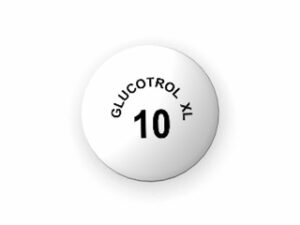
Glipizide (Glucotrol® and generics) – Patient Guide (Australia)
Glipizide is a medicine used to help control blood glucose in adults with type 2 diabetes. This guide explains how glipizide works, when it’s usually taken, important interactions, safety considerations, and what to expect if you’re using it as part of your diabetes management plan.
This information is designed to be patient-friendly and practical. It does not replace advice from your doctor or pharmacist, and individual dosing plans can vary.
Basic product information
| Feature | Details |
|---|---|
| Generic name | Glipizide |
| Common brand names | Glucotrol® (and available generics) |
| Medicine class | Sulfonylurea (oral glucose-lowering medicine) |
| Formulations | Immediate-release tablets (common) and possibly modified-release forms depending on supply |
| Who it’s for | Adults with type 2 diabetes (not generally used for type 1 diabetes) |
| Main goal | Lower blood sugar and improve diabetes control |
How glipizide works (mechanism of action)
Glipizide belongs to the sulfonylurea class. It works primarily by stimulating the pancreas to release insulin. It does this by closing certain potassium channels in pancreatic beta cells, which leads to insulin release.
Key points:
- Increases insulin release when blood glucose is elevated.
- Helps reduce fasting and post-meal blood glucose.
- Because it increases insulin secretion, it can cause hypoglycaemia (low blood sugar), especially if meals are skipped.
Pharmacokinetics (how the body processes it)
Pharmacokinetics describes absorption, distribution, metabolism, and excretion. While individual experiences vary, the following general information is useful:
- Absorption: Glipizide is absorbed after oral dosing. Taking it at the recommended time helps align the medicine’s action with your meals.
- Onset: Effects typically begin within a few hours of taking a dose, with greatest impact often occurring around meal times.
- Metabolism: Glipizide is metabolised in the liver to inactive or less active metabolites.
- Elimination: Metabolites are primarily excreted via the kidneys.
- Duration: Its glucose-lowering effect is sustained long enough to cover the interval between doses when taken as directed.
If you have liver or kidney impairment, your healthcare team may adjust dosing and monitor you more closely.
Typical use and indications
Glipizide is used to improve blood glucose control in type 2 diabetes mellitus in adults. It may be prescribed:
- Alone when diet, exercise, and weight management are not sufficient
- In combination with other diabetes medicines (for example, metformin or other agents), when blood glucose remains above target
Glipizide is not intended for type 1 diabetes and is not used for diabetic ketoacidosis.
When and how to take glipizide (timing)
The right timing helps reduce the risk of low blood sugar and improves glucose-lowering effectiveness. Always follow your dose instructions on your label or the plan provided by your clinician.
- Take with food: Many people are advised to take glipizide before meals or with meals, depending on the formulation and your dosing schedule.
- Be consistent: Try to take your dose at similar times each day.
- Don’t skip meals: Skipping meals while taking glipizide increases the risk of hypoglycaemia.
- If you miss a dose: Take it when remembered if it’s close to the next meal and time window. If it’s nearly time for the next dose, skip the missed dose. Do not double up.
If you’re unsure whether your tablet is immediate-release or another formulation, check the packaging and ask your pharmacist.
Food interactions and dietary considerations
Food doesn’t “block” glipizide, but meal timing matters greatly because glipizide increases insulin secretion. The most important dietary interaction is whether you eat or skip meals.
- Meal skipping: Higher risk of hypoglycaemia.
- Carbohydrate intake: A major change in carbohydrate intake can affect your blood glucose response.
- Regular meals: Often recommended to keep glucose levels stable while on sulfonylureas.
- Exercise: Increased activity can lower blood glucose and may require extra food (such as a small snack) to prevent hypoglycaemia.
Your diabetes diet plan may also include limiting sugary drinks and focusing on balanced meals. Use glipizide as part of that overall approach.
Alcohol interactions
Alcohol can affect blood sugar and may increase the risk of hypoglycaemia, particularly if you drink without eating. Alcohol may also interfere with your judgment and ability to notice symptoms of low blood sugar.
- Risk of low blood sugar: Especially if you drink alcohol on an empty stomach.
- Monitor carefully: If you choose to drink, consider checking blood glucose more frequently.
- Hypoglycaemia awareness: Symptoms can be confused with intoxication.
It’s a good idea to discuss safe drinking limits with your doctor or diabetes educator.
Interactions with other medicines
Glipizide can interact with other medicines that influence blood glucose levels, liver metabolism, or kidney function. Some interactions may increase the risk of hypoglycaemia, while others may reduce glucose-lowering effect.
Medicines that may increase hypoglycaemia risk
- Other glucose-lowering medicines (e.g., insulin, other diabetes tablets)
- Some antibiotics that can affect metabolism
- Salicylates (aspirin and related medicines at certain doses)
- Other agents that affect drug metabolism in the liver
Medicines that may raise blood glucose
- Corticosteroids (e.g., prednisone)
- Some diuretics (water tablets)
- Hormonal therapies that can alter glucose regulation
- Some medicines for mental health and other conditions may also affect glucose
Practical interaction advice
- Always tell your pharmacist about every medicine you take (including supplements).
- Check labels for “contains sugar” or sweetened syrups if relevant.
- During new medicine starts for infections or inflammatory conditions, consider additional blood glucose monitoring.
If you take other medicines regularly, consider keeping an up-to-date list to show healthcare professionals.
Dose information (how dosing is typically handled)
Dosing depends on your blood glucose levels, response to treatment, age, and kidney/liver function. Below are general dosing principles. Your exact dose should come from your clinician and the medicine label.
- Starting dose: Often a low starting dose is used to reduce the risk of hypoglycaemia.
- Titration: The dose may be increased gradually at intervals, guided by blood glucose monitoring (and possibly HbA1c results).
- Maximum dose: There are dosing limits. Do not exceed the prescribed maximum.
Some formulations are taken once daily; others may be divided into multiple doses. If your prescription plan indicates more than one daily dose, follow that schedule carefully and align doses with meals.
If you are older, have reduced kidney function, or have a history of low blood sugar, your clinician may recommend extra caution with dose increases.
Safety profile and side effects
Like all medicines, glipizide can cause side effects. Many people tolerate it well, but the most important potential risk is hypoglycaemia.
Common and important side effects
- Low blood sugar (hypoglycaemia): Symptoms can include sweating, shaking, hunger, dizziness, headache, irritability, confusion, or palpitations.
- Headache or nausea may occur in some people.
- Weight changes: Some people may gain weight, which can affect diabetes management over time.
When to seek urgent help
Get urgent medical help if you suspect severe hypoglycaemia, especially if you have fainting, seizures, inability to swallow, or confusion that doesn’t improve quickly.
Allergy and serious reactions
- Stop taking glipizide and seek medical advice urgently if you develop signs of allergy such as rash, swelling of the face/lips, or difficulty breathing.
Ongoing monitoring
- Blood glucose checks: Especially when starting therapy, changing dose, or when ill.
- HbA1c: Typically every few months to assess long-term control.
- Kidney and liver function: May be checked periodically.
Practical use tips (to get the best results and stay safe)
- Keep a consistent routine: Take glipizide at the same times each day.
- Don’t skip meals: Always eat as planned. If you can’t, speak to your clinician for advice before making changes.
- Know your hypoglycaemia plan: If you feel symptoms, check your blood glucose if possible and treat promptly with fast-acting carbohydrate.
- Carry quick sugar: Glucose tablets, gel, or regular (not diet) sugary drinks can help in an emergency.
- Be careful with alcohol and exercise: Both can increase hypoglycaemia risk.
- Illness day care: When you’re sick, appetite and blood glucose can change. Monitor more frequently and seek advice if readings are unstable.
- Review with your diabetes team: Ask at regular reviews whether glipizide still fits your targets and whether combination therapy is appropriate.
Alternative options for type 2 diabetes
Treatment for type 2 diabetes is individual. Depending on your blood glucose goals, medical history, weight considerations, kidney function, and risk of hypoglycaemia, your doctor may consider other medicines. Common alternatives include:
- Metformin (often first-line)
- DPP-4 inhibitors (generally lower risk of hypoglycaemia when used alone)
- GLP-1 receptor agonists (may support weight management)
- SGLT2 inhibitors (help remove glucose via urine; suitability depends on kidney function)
- Thiazolidinediones (selected cases)
- Insulin in some situations, especially if glucose control is poor
If you experience frequent low blood sugar or have safety concerns, ask your pharmacist or doctor about whether switching or adjusting therapy is appropriate.
Market and legal context for Australia
In Australia, medicines are regulated under the Therapeutic Goods Administration (TGA) framework. Diabetes medicines such as glipizide are supplied through established pharmaceutical supply chains and are subject to quality, safety, and manufacturing standards.
Availability and funding can vary by product and patient eligibility. Some diabetes medicines may be listed on the Pharmaceutical Benefits Scheme (PBS), depending on clinical criteria. Your healthcare professional or pharmacist can help check eligibility for subsidised options.
Medicines must be dispensed according to Australian laws and pharmacy requirements. It’s important to ensure you are buying legitimate products from reputable suppliers.
Note: Always rely on the product you receive (brand/generic, strength, and formulation) and follow your instructions exactly.
Recent guidance and best-practice updates (general)
Diabetes care continues to evolve. In Australia, treatment recommendations are typically guided by national/international clinical standards and updated as new evidence becomes available. Current themes in diabetes management include:
- Individualised targets based on age, comorbidities, and risk of hypoglycaemia
- Balancing glucose lowering with safety, especially avoiding frequent hypoglycaemia
- Considering medicines with lower hypoglycaemia risk when appropriate
- Regular review of HbA1c, side effects, adherence, and lifestyle measures
If you have experienced low blood sugar, weight changes, or trouble maintaining stable meals, discuss with your clinician whether glipizide remains the best option for you.
Delivery and availability (online pharmacy)
Glipizide is generally available through Australian pharmacies as brand products or generics, depending on current supply. Delivery options (where offered) typically include standard and express shipping.
- Stock availability: May vary by strength and formulation.
- Packaging: Supplied in original manufacturer packaging where possible.
- Storage: Store at room temperature unless the label states otherwise; keep away from moisture and heat.
- Delivery timing: Depends on your location and courier service.
If you need a specific strength or formulation, it’s helpful to confirm your requirements before ordering.
FAQ
1) Is glipizide safe for everyone?
Glipizide isn’t suitable for everyone. People with certain medical conditions—such as some forms of kidney or liver impairment, a history of severe hypoglycaemia, or specific contraindications—may require careful dosing or alternative therapy. Always check with your pharmacist or doctor.
2) What blood glucose readings should I aim for?
Targets differ between individuals. Your clinician will provide an individual target range. HbA1c targets are also personalised. Use your diabetes care plan and review targets regularly.
3) What should I do if I get symptoms of low blood sugar?
If you suspect hypoglycaemia:
- Check your blood glucose if you can.
- Take fast-acting carbohydrate (e.g., glucose tablets or sugary drink) according to your action plan.
- Recheck glucose after the recommended time.
- If symptoms are severe or you’re unable to treat yourself, seek urgent medical help.
4) Can I take glipizide without eating?
It’s generally not recommended. Skipping meals increases the risk of hypoglycaemia. Follow the timing guidance provided by your healthcare professional and take your dose with/around meals as instructed.
5) Does glipizide cause weight gain?
Some people experience weight gain, which can be managed with diet, exercise, and regular monitoring. If weight changes are significant, discuss with your clinician.
6) Will glipizide “cure” diabetes?
Glipizide helps control blood sugar, but it does not cure diabetes. Diabetes is usually a long-term condition requiring ongoing management.
7) Can I drink alcohol while taking glipizide?
Alcohol can increase the risk of low blood sugar, particularly if you drink without food. If you choose to drink, do so cautiously, avoid drinking on an empty stomach, and monitor your blood glucose more frequently. Discuss safe limits with your healthcare team.
8) What happens if I miss a dose?
If you miss a dose, take it when remembered if it’s close to your next meal and within the normal dosing schedule. If it’s nearly time for the next dose, skip the missed dose. Do not take double doses to make up for a missed one.
9) Are there alternatives if glipizide doesn’t suit me?
Yes. Depending on your health profile and glucose goals, alternatives may include other oral agents, injectables, or insulin. Your clinician can recommend the most suitable option.
10) How do I store glipizide?
Store tablets as directed on the packaging, typically at room temperature, away from moisture and heat. Keep out of reach of children.
Summary
Glipizide is an oral sulfonylurea medicine used for blood glucose control in type 2 diabetes. It lowers blood sugar by stimulating insulin release from the pancreas, which is why it can cause hypoglycaemia, particularly if meals are skipped or if combined with other glucose-lowering medicines or alcohol.
With consistent meal timing, mindful monitoring, and regular diabetes follow-up, many people use glipizide safely as part of a broader diabetes management plan.