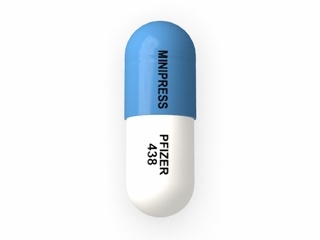

Minipress (Prazosin) — Patient-Friendly Guide
Minipress contains prazosin, a medicine used to treat several conditions related to high blood pressure and certain urinary symptoms. This guide explains how Minipress works, when it’s typically taken, important safety information, and what to expect while using it.
Note: Information below is general and designed to help you understand your medicine. Always follow the instructions provided by your healthcare professional and the product label for your specific situation.
At a glance
- Active ingredient: Prazosin
- Medicine group: Alpha-1 adrenergic blocker (alpha-1 antagonist)
- Main uses: High blood pressure (hypertension) and certain symptoms of an enlarged prostate (BPH)
- Common side effects: Dizziness, light-headedness, headache, tiredness, low blood pressure
- Key safety point: “First-dose” effect—may cause significant dizziness or fainting, especially when starting or increasing the dose
Basic product information
| Category | Details |
|---|---|
| Brand name | Minipress |
| Generic name | Prazosin |
| How it’s used | Oral tablets (dose strength varies by product/availability) |
| Medicinal classification (Australia) | Prescription medicine (schedule varies by formulation) |
| Therapeutic class | Alpha-1 blocker |
How Minipress works (mechanism of action)
Prazosin blocks alpha-1 adrenergic receptors in blood vessels and certain parts of the urinary tract.
- Blood vessels: Relaxation of blood vessel smooth muscle leads to lower blood pressure.
- Urinary tract (e.g., BPH): Relaxation of smooth muscle in the prostate and bladder neck can improve urinary flow and reduce symptoms such as difficulty starting urination.
This means Minipress is effective for conditions where reducing vessel tone or relaxing urinary tract muscles can help.
Pharmacokinetics (how the body handles prazosin)
“Pharmacokinetics” describes how prazosin is absorbed, distributed, metabolised, and eliminated.
- Absorption: Prazosin is absorbed after oral dosing. Peak effects occur after the medicine is absorbed and reaches the bloodstream.
- Onset: Blood pressure lowering may begin after the first dose and can be significant.
- Distribution: The medicine distributes through the body and reaches target tissues.
- Metabolism: Prazosin is primarily metabolised by the liver.
- Elimination: Metabolites are cleared from the body via normal metabolic pathways (including renal and hepatic clearance depending on the metabolite profile).
- Half-life: The clinical duration of action supports dosing schedules that may involve once or multiple daily doses depending on the indication and your regimen.
Practical meaning: Because prazosin can have a noticeable early blood pressure effect, the first dose and dose increases require extra care (see “First-dose precautions” below).
Typical use in Australia
Minipress (prazosin) is used for:
- Hypertension (high blood pressure): Often as part of a broader blood pressure management plan.
- Benign prostatic hyperplasia (BPH) symptoms: Such as reduced urine flow, hesitancy, and difficulty emptying the bladder.
Availability and exact indications on local product information may vary by formulation and clinical guidance. If you’re using Minipress for urinary symptoms, it’s important to have regular reviews of symptom control and side effects.
Timing and how to take Minipress
General timing
- Many patients are advised to take the first dose at bedtime to reduce the risk of dizziness or fainting.
- Subsequent doses are typically taken as directed, often once or twice daily depending on your treatment plan.
First-dose precautions (important)
Prazosin is well known for a “first-dose” effect, where the first dose (and sometimes dose increases) can cause a more pronounced drop in blood pressure.
- Start low and titrate: Your clinician may increase the dose gradually.
- Take the first dose at night: This can reduce injury risk from falls.
- Be cautious when standing: Rise slowly from sitting or lying positions.
- Plan for the first day: Avoid driving or operating machinery until you know how the dose affects you.
Missed dose
If you miss a dose, take it when you remember unless it’s close to the next dose. Do not double up. If you have missed multiple doses, contact your healthcare professional for advice on restarting safely.
Food interactions
Food can influence the way some medicines are absorbed and how quickly they act. For prazosin, the key practical guidance is:
- Consistency helps: Take Minipress at the same time(s) each day.
- Follow your label/doctor’s instructions: If you were told to take it with or without food, follow that advice.
- If you notice stomach upset: Taking it with a light snack may help some people, but confirm with your clinician or pharmacist if you are unsure.
If you want tailored guidance, tell your pharmacist how your doses are scheduled and what other medicines you take with them.
Alcohol and medicine interactions
Alcohol
Combining Minipress with alcohol can increase the risk of:
- dizziness or light-headedness
- low blood pressure
- fainting and falls
- sleepiness in some people
Practical advice: Limit alcohol, especially when starting treatment or after dose increases. If you experience dizziness, avoid alcohol until you’ve discussed it with your doctor.
Other medicines that may interact
Prazosin can interact with medicines that also lower blood pressure or affect blood vessel tone. Interactions can be additive, meaning the blood-pressure effect may be stronger.
- Other antihypertensives (e.g., ACE inhibitors, ARBs, beta blockers, diuretics, calcium channel blockers): may increase dizziness or hypotension.
- Phosphodiesterase-5 inhibitors (e.g., sildenafil, tadalafil, vardenafil): may increase the risk of significant blood pressure lowering when used together.
- Nitrates (used for angina): combination may increase hypotension risk.
- Other alpha blockers (for urinary symptoms or blood pressure): additive effects may occur.
- Some antidepressants and antipsychotics: some can affect blood pressure or cause sedation, potentially increasing dizziness.
- Medicines affecting liver enzymes: may alter metabolism; your pharmacist can check your specific regimen.
Always disclose all medicines and supplements you use, including “as needed” medicines, herbal products, and over-the-counter cold remedies.
Indications: what conditions it may be used for
Minipress may be prescribed for:
- Hypertension (high blood pressure): Helps reduce blood pressure to lower long-term cardiovascular risk.
- Lower urinary tract symptoms due to BPH: Improves urine flow and reduces symptoms related to enlarged prostate.
In BPH, clinicians may consider other alpha-1 blockers as well. The choice depends on your symptom pattern, overall health, side-effect profile, and dose frequency convenience.
Dosing overview (general)
Only your healthcare professional can determine the correct dose for you. However, the following overview can help you understand how dosing is often approached.
General dosing principles
- Start low: To reduce the risk of the first-dose effect.
- Titrate gradually: Dose increases are often slow and guided by blood pressure response and side effects.
- Bedtime dosing early on: Common strategy to reduce dizziness/fainting risk.
Typical dosing patterns
Dosing depends on the indication (hypertension vs BPH), your age, kidney/liver function, and how you respond.
- Hypertension: Often begins with a low starting dose, then adjusted based on home or clinic blood pressure readings.
- BPH symptoms: Usually started low to minimise dizziness and then adjusted based on symptom improvement.
Important: If you stop Minipress and restart later, the first-dose precautions may again apply. Ask your pharmacist or doctor what to do if you have missed several doses.
Safety profile: what to watch for
Common side effects
- Dizziness or light-headedness (especially when standing)
- Low blood pressure (hypotension)
- Headache
- Fatigue or tiredness
- Nausea in some people
Serious but less common risks
- Fainting (syncope), particularly at treatment start or after dose changes
- Severe dizziness or falls
- Rapid heartbeat symptoms in some individuals (seek medical advice if significant)
- Priapism (prolonged, painful erection) — uncommon but requires urgent medical attention
“First-dose” and postural hypotension precautions
To reduce risk:
- Take the first dose as directed (often at bedtime).
- Rise slowly from sitting/lying positions.
- Stay hydrated unless you’ve been instructed to limit fluids.
- Be extra cautious during hot weather and after exercise.
When to seek urgent help
- Fainting, chest pain, or severe shortness of breath
- Signs of an allergic reaction (swelling of face/lips, difficulty breathing)
- Priapism (an erection lasting more than a few hours or painful erection)
Practical use tips
- Monitor blood pressure safely: If you’ve been advised to check blood pressure at home, do so consistently (same time of day, correct cuff size).
- Track symptoms: For BPH, note changes in urine flow, nighttime waking, and hesitancy.
- Stand up slowly: Especially after waking or getting out of bed.
- Be cautious with activities: When starting or increasing dose, avoid driving until you know how you respond.
- Hydration matters: Dehydration can worsen dizziness and blood pressure drops.
- Keep follow-up appointments: Dose adjustments are usually based on response and side effects.
- Don’t stop suddenly without advice: Your blood pressure or urinary symptoms may worsen.
Alternative options
If Minipress isn’t suitable or doesn’t control symptoms adequately, healthcare professionals may consider alternatives depending on the condition being treated.
For high blood pressure
- ACE inhibitors (e.g., perindopril, lisinopril)
- ARBs (e.g., losartan)
- Calcium channel blockers (e.g., amlodipine)
- Diuretics (e.g., hydrochlorothiazide, indapamide)
- Beta blockers (selected patients)
For BPH (urinary symptoms)
- Other alpha-1 blockers (often with different dosing schedules)
- 5-alpha reductase inhibitors (e.g., finasteride, dutasteride) in appropriate cases
- Combination therapy in some patients
- Non-medicine options where appropriate (review with a clinician)
Choosing an alternative: The best option depends on your blood pressure, other medicines, symptom severity, and risk of dizziness.
Minipress in the Australian market and legal context
In Australia, prazosin is generally available as a prescription medicine. Online pharmacies operate under Australian regulations requiring appropriate identification and safe dispensing processes.
What this means for you:
- Medicines must be supplied through legitimate channels.
- Pharmacies may request patient information to support safe use and interactions screening.
- Availability may vary depending on formulation and supply chain conditions.
Recent guidance (what commonly matters clinically)
Clinical practice commonly emphasises:
- Careful initiation and titration to reduce hypotension risk
- Medication review for interactions that can worsen dizziness or lower blood pressure
- Monitoring of blood pressure and symptom response
- Attention to falls risk in older adults
Local formularies and prescribing advice may evolve over time. If you’d like, your pharmacist can explain how guidance applies to your circumstances.
Delivery and availability (online pharmacy)
Availability of Minipress can depend on the specific tablet strength and current supply. Many Australian online pharmacies offer:
- Secure ordering with interaction checks
- Home delivery options within Australia
- Tracking and notifications when orders are dispatched (where supported)
- Packaging designed to protect tablets during transit
Delivery timing: Most pharmacies provide estimated delivery times at checkout. If a product is temporarily unavailable, you may be offered an alternative strength/pack size where permitted and clinically appropriate.
FAQ
1) Why is Minipress often started at bedtime?
Because prazosin can cause a more noticeable drop in blood pressure after the first dose (and sometimes after dose increases). Taking the first dose at bedtime reduces the risk of dizziness and falls during waking hours.
2) Will Minipress make me feel dizzy?
Dizziness is one of the more common side effects, particularly when standing up. This risk is highest at the start of treatment or after dose changes. Tell your clinician if dizziness is significant or you’ve fainted.
3) Can I take Minipress with food?
Many people can take it with or without food, but follow your specific product instructions. If you were advised to take it one way, keep to that routine.
4) Is it safe to drink alcohol while taking Minipress?
Alcohol can increase dizziness and the blood pressure-lowering effect. It’s best to limit alcohol and avoid it when you’re starting or adjusting the dose, especially if you feel light-headed.
5) What medicines should I avoid combining with Minipress?
Be cautious with medicines that also lower blood pressure—such as other antihypertensives—or those that can cause significant blood pressure changes, such as nitrates or certain erectile dysfunction medicines. Always ask a pharmacist to check your medication list.
6) What should I do if I miss a dose?
Take it when you remember unless it’s close to the next dose. Don’t double up. If you miss several doses, contact your healthcare professional before restarting.
7) How long does it take to work?
Blood pressure effects can begin soon after a dose, but stable symptom control typically develops over time as dosing is adjusted. Your response may be gradual and guided by your clinician’s plan.
8) Can Minipress help with urinary symptoms?
Yes, it may improve urinary flow and reduce symptoms related to BPH in some patients by relaxing muscles around the bladder neck and prostate.
9) Are there any signs that mean I should stop and seek medical help?
Seek urgent care for fainting, severe dizziness, chest pain, breathing difficulty, signs of allergy, or priapism (a painful erection lasting for an extended period). For less urgent concerns, contact your pharmacist or doctor promptly.
10) What are common practical steps to reduce side effects?
Start at the prescribed low dose, take the first dose at bedtime if advised, stand up slowly, stay hydrated, and avoid driving until you know how you respond—especially after dose changes.
Disclaimer: This information is for education only and doesn’t replace advice from your healthcare professional. If you have questions about whether Minipress is appropriate for you, discuss them with your pharmacist or doctor.