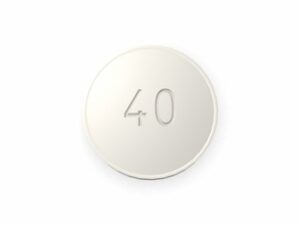
Lozol (Indapamide) – Patient Information for Australia
Lozol contains indapamide, a medicine used to manage certain conditions related to fluid balance and blood pressure. This guide is written to help you understand how Lozol works, when it’s usually taken, what to watch for, and how to use it safely alongside other medicines and alcohol. It’s designed for patients in Australia.
| Key details | Information |
|---|---|
| Active ingredient | Indapamide |
| Medicine type | Thiazide-like diuretic (“water tablet”) |
| Common uses | High blood pressure (hypertension); fluid-related states in selected patients as advised by a doctor |
| Typical dosing frequency | Usually once daily (formulation-dependent) |
| How it’s taken | With or without food; swallow whole; avoid changing timing without advice |
| Main considerations | Electrolytes (sodium/potassium), dehydration, blood sugar/uric acid, and kidney function |
Basic product information
Lozol is the brand name for a medicine containing indapamide. Indapamide belongs to the class of drugs known as thiazide-like diuretics. Like other “water tablets,” it helps your body reduce excess fluid volume and supports control of blood pressure.
In Australia, availability and exact strengths can vary by formulation and supply. Your local pharmacy can confirm the specific product size and dosing instructions.
How Lozol (indapamide) works (mechanism of action)
Indapamide helps lower blood pressure by working at two levels:
- Kidney effects (diuretic action): It acts on the kidneys to reduce sodium reabsorption. This leads to increased sodium and water excretion, helping decrease fluid volume.
- Blood vessel effects (vascular action): Indapamide also helps relax and improve the function of blood vessels, contributing to long-term blood pressure reduction.
Although it increases urine output, many people notice the greatest benefit as improved blood pressure control rather than frequent urination alone.
Pharmacokinetics (how your body processes it)
Understanding timing and absorption can help you use the medicine more effectively.
- Absorption: Indapamide is absorbed through the digestive tract after you swallow the tablet.
- Distribution: It circulates in the bloodstream and distributes into body tissues.
- Metabolism: The body metabolises indapamide mainly in the liver.
- Excretion: It is eliminated primarily through the kidneys (via urine) and also through bile/feces depending on the extent of metabolism.
- Half-life: Indapamide has a sustained effect allowing once-daily use for many patients, depending on formulation.
Important: If you are switching between different indapamide brands or formulations, the release type and dosing schedule may differ. Always follow the instructions on your specific pack.
Typical use in Australia
Lozol (indapamide) is commonly used to treat:
- Hypertension (high blood pressure) – to reduce blood pressure and lower cardiovascular risk.
- Fluid-related conditions – in selected patients where a clinician considers a diuretic appropriate.
Lozol is often used alone or as part of a blood pressure treatment plan with other medicines (for example, ACE inhibitors, ARBs, beta-blockers, calcium channel blockers, or other diuretics).
When to take Lozol – timing guidance
Most patients are advised to take indapamide once daily. The exact timing can depend on the formulation and your personal routine.
- Morning dosing is often preferred: Because diuretics can increase urine production, taking it in the morning may reduce nighttime bathroom visits.
- Try to take it at the same time each day: This helps maintain consistent blood levels and effectiveness.
- Swallow whole with water: Do not crush or chew unless your pharmacist or doctor advises otherwise.
If you miss a dose:
- Take it as soon as you remember unless it is close to your next dose.
- Do not take a double dose to make up for a missed tablet.
Practical tip
If you notice dizziness or frequent urination soon after taking your dose, discuss timing with your pharmacist or doctor—sometimes taking it earlier in the day can help.
Food interactions and effects
Indapamide can generally be taken with or without food. However, general best practices include:
- Take it consistently: Either always with food or always without food, unless your clinician advises otherwise.
- Maintain balanced fluids: Avoid sudden extremes of dehydration.
- Be mindful of salt intake: Very high-salt diets can work against blood pressure control. Very low-salt diets may increase risk of low sodium or dehydration—follow your clinician’s guidance.
Alcohol interactions
Combining Lozol with alcohol may increase the chance of:
- Dizziness or light-headedness, especially when standing up
- Dehydration and worsened electrolyte imbalance
- Lower blood pressure (in some people)
If you choose to drink alcohol, consider:
- Start with small amounts to see how you respond
- Avoid heavy drinking or binge patterns
- Stay hydrated with water (unless your doctor limits fluids)
Seek urgent help if you faint, feel severely unwell, or experience persistent vomiting/diarrhoea that can lead to dehydration.
Medicine interactions (important)
Several medicines can interact with indapamide, mainly by affecting electrolytes (sodium, potassium, magnesium) or by influencing kidney function and blood pressure. Always share your complete list of medicines with your pharmacy.
Common interaction categories
- Other blood pressure medicines: May increase the blood pressure-lowering effect. Monitoring for dizziness is important.
- Diuretics and “water tablets”: Using multiple diuretics can increase risk of dehydration and electrolyte imbalance.
- Non-steroidal anti-inflammatory drugs (NSAIDs) (e.g., ibuprofen, naproxen, diclofenac):
NSAIDs can reduce kidney blood flow, potentially lowering the diuretic effect and increasing risk of kidney issues, especially in older adults or those with dehydration. - Diabetes medicines: Indapamide may affect blood glucose in some people, so monitoring may be needed.
- Lithium: Indapamide can raise lithium levels and increase toxicity risk—this combination typically requires careful monitoring or avoidance.
- Corticosteroids (e.g., prednisolone): May increase risk of low potassium.
- Laxatives used regularly or in high doses: May worsen potassium loss.
- Digoxin: Low potassium increases risk of digoxin-related rhythm problems.
- Medicines affecting potassium: Your doctor may adjust diet, supplements, or doses based on blood tests.
- Contrast dyes and certain kidney-risk medicines: Kidney function monitoring is important in these situations.
Herbal and supplement considerations
Some supplements and herbal products can affect fluid balance, blood pressure, or electrolytes. Examples include certain “detox” products or high-dose licorice-containing products. Inform your pharmacist before starting any new supplement.
Indications (what conditions it treats)
In clinical practice, Lozol (indapamide) is indicated for:
- Hypertension (high blood pressure): Indapamide is used to help reduce blood pressure and lower long-term cardiovascular risk.
- Selected fluid management needs: Sometimes considered in specific circumstances where diuretic therapy is appropriate.
Your exact indication and target blood pressure should be discussed with your healthcare professional.
Dosing (general information)
Because medicines are formulated in different strengths and release types, dosing must be individualised. Always follow the instructions on your pack or those provided by your healthcare professional.
General dosing principles for indapamide:
- Usually once daily (often morning).
- Start low and adjust if needed: Dose may be adjusted based on blood pressure response and blood test results (electrolytes and kidney function).
- Do not stop abruptly without advice: Blood pressure can rise again.
Pack strength: The tablet strength and whether it’s immediate- or modified-release can affect dosing frequency. If you are unsure, check with your pharmacist.
Safety profile – what to expect and what to watch for
Like all medicines, Lozol can cause side effects. Many are mild and improve as your body adjusts, but some require urgent attention.
Common or expected effects
- Increased urination (especially soon after starting)
- Mild dizziness, particularly when standing up
- Fatigue
- Headache
Electrolyte-related risks (important)
Indapamide can lower levels of certain electrolytes, especially in people who are older, dehydrated, or taking other interacting medicines.
- Low sodium (hyponatraemia): Symptoms may include headache, confusion, extreme tiredness, muscle cramps, or seizures (rare but serious).
- Low potassium (hypokalaemia): May cause weakness, cramps, constipation, palpitations, or abnormal heart rhythm.
- Low magnesium (hypomagnesaemia): Can contribute to muscle cramps and rhythm issues.
Kidney and dehydration risks
- Dehydration can occur if fluid intake is too low or if you lose fluid through vomiting/diarrhoea.
- Kidney function changes can occur, especially if you are unwell or have underlying kidney disease.
Metabolic effects
- Blood sugar changes: People with diabetes may need closer monitoring.
- Uric acid changes: Indapamide may contribute to gout flares in some people.
- Cholesterol/lipids: Generally not major, but clinicians may monitor overall cardiovascular risk.
When to seek urgent medical help
Get urgent help if you develop:
- Fainting or severe dizziness
- Severe weakness or confusion
- Chest pain or new irregular heartbeat
- Signs of serious dehydration (very dry mouth, inability to keep fluids down, very little urine)
- Severe allergic reaction (swelling of face/lips, breathing difficulty, widespread rash)
Practical use tips for better results
- Keep up with blood tests: Many patients benefit from periodic monitoring of sodium, potassium, magnesium, and kidney function.
- Check your blood pressure: Home readings help show whether treatment is working. Record results to share with your clinician.
- Watch for dose-related symptoms: If you feel unusually dizzy, especially after standing, contact your healthcare professional.
- Stay consistent with fluids: Unless you’ve been told to restrict fluids, aim for steady hydration throughout the day.
- Be careful during hot weather: Increased sweating can raise dehydration risk.
- Illness management (“sick day” approach): If you are vomiting, have severe diarrhoea, or can’t drink normally, ask your pharmacist or doctor for advice about continuing diuretics.
Alternative options (discuss with your clinician)
Depending on why you’re taking Lozol, several other options may be appropriate. Alternatives include:
Other diuretics
- Thiazide diuretics (e.g., hydrochlorothiazide)
- Loop diuretics (e.g., furosemide) – more potent for fluid removal in certain conditions
- Potassium-sparing diuretics (e.g., spironolactone, amiloride) – may help reduce potassium loss in some patients
Non-diuretic blood pressure medicines
- ACE inhibitors (e.g., enalapril, lisinopril)
- ARBs (e.g., losartan, valsartan)
- Calcium channel blockers (e.g., amlodipine)
- Beta blockers (e.g., metoprolol)
- Other antihypertensives depending on your profile
Your best option depends on your blood pressure targets, kidney function, electrolyte history, other medical conditions, and the medicines you already take.
Market and legal context for Australia (what to expect)
In Australia, supply of prescription medicines and pharmacy services are regulated. Lozol (indapamide) is a medicine that falls under Australia’s medicines scheduling and dispensing rules. Availability through pharmacies may require the correct documentation as required by law and pharmacy policy.
When ordering online, ensure you provide accurate details and follow the site’s requirements so your order is processed according to Australian regulations.
Recent guidance and monitoring (general, patient-friendly)
While specific guidance may change, current clinical practice commonly emphasises:
- Baseline and follow-up blood tests for electrolytes and kidney function, especially soon after starting or changing dose
- Review of interacting medicines (NSAIDs, lithium, other diuretics, glucose-lowering medicines)
- Monitoring for symptoms of low sodium, low potassium, and dehydration
- Appropriate home blood pressure measurement and cardiovascular risk management
If you have kidney disease, are older, or take multiple medicines, monitoring is particularly important.
Delivery and availability (online pharmacy information)
Lozol (indapamide) availability can vary by supplier and product strength. When ordering online in Australia, consider the following:
- Stock checks: Our online systems may show live availability, but supply can change.
- Packaging and labelling: Your dispensed product should arrive in sealed pharmacy packaging with clear instructions.
- Delivery times: Transit times vary by location. Choose a delivery option at checkout and check estimated dispatch times.
- Temperature: Most tablets do not require refrigeration, but store as directed on the pack.
If you need help confirming which strength or formulation you should order, contact the pharmacy team before placing your order.
How to store Lozol
- Store at room temperature (unless the pack states otherwise).
- Keep in the original packaging to protect from moisture.
- Keep out of reach of children.
- Do not use after the expiry date shown on the pack.
FAQ
1) How quickly does Lozol (indapamide) start working?
Many people notice increased urination within hours after taking a dose. Blood pressure effects develop over days to weeks. Your clinician may review blood pressure and blood test results after starting or adjusting dose.
2) Should I take Lozol with food?
Indapamide is generally taken with or without food. Choose a routine that suits you and take it consistently. If your stomach feels upset, taking it with food may help.
3) Can I drink alcohol while taking indapamide?
You can usually have alcohol in moderation, but alcohol may increase dizziness and dehydration risk. If you drink, keep it light, stay hydrated, and avoid binge drinking. Seek medical advice if you experience fainting or severe light-headedness.
4) What blood tests do I need?
Common monitoring includes sodium, potassium, magnesium, and kidney function. Frequency depends on your health and whether your dose has recently changed.
5) What should I do if I feel dizzy?
Sit or lie down immediately to prevent falls. If dizziness is persistent, severe, or accompanied by fainting, contact your healthcare professional promptly. Sometimes timing adjustments or dose review are needed.
6) Does indapamide affect potassium?
It can lower potassium in some people. Your clinician may check blood potassium levels and recommend diet changes or supplements in selected cases.
7) Can indapamide affect diabetes or gout?
It may slightly affect blood glucose and increase uric acid, potentially triggering gout in susceptible people. If you have diabetes or gout, discuss monitoring and symptom plans.
8) What medicines should I avoid?
Use extra caution with NSAIDs (for pain/inflammation), lithium, and other medicines that affect kidneys or electrolytes. Always check with a pharmacist before starting new medicines.
9) Can I stop taking Lozol if I feel better?
Blood pressure can rise again if the medicine is stopped. Do not stop or change your dose without advice from your healthcare professional.
10) Is Lozol suitable for everyone?
Not always. People with certain electrolyte imbalances, severe kidney or liver problems, or specific medical conditions may require alternative therapy or closer monitoring. A clinician can assess suitability based on your medical history and test results.
Summary
Lozol (indapamide) is a thiazide-like diuretic used primarily for high blood pressure. It works by reducing sodium and water reabsorption in the kidney and supporting healthier blood vessel function. Because it can affect electrolytes and kidney function, safe use includes consistent daily timing, adequate hydration, and periodic blood tests. If you are unsure about interactions with other medicines, alcohol, or illness “sick day” situations, speak with your pharmacy team for personalised guidance.