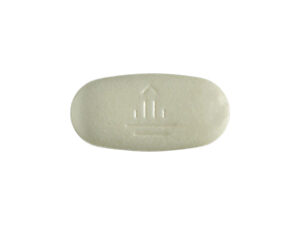



Hytrin (Terazosin hydrochloride) – Patient Information (Australia)
Hytrin contains terazosin hydrochloride. It belongs to a group of medicines called alpha-1 (α1) blockers. Hytrin is used to improve urine flow and reduce symptoms related to an enlarged prostate, and it may also be used for certain blood pressure conditions as determined by your healthcare professional.
This page provides comprehensive, patient-friendly information about how Hytrin works, how to take it safely, and what to expect. If you have questions, speak with your doctor or pharmacist.
Key Product Information
| Item | Details |
|---|---|
| Medicine name | Hytrin (terazosin hydrochloride) |
| Medicinal group | Alpha-1 adrenergic receptor blocker |
| Common uses | Symptoms of benign prostatic hyperplasia (BPH); sometimes raised blood pressure (depending on local prescribing practices) |
| Available forms | Oral capsules (strengths vary by market/product) |
| How it works | Relaxes smooth muscle in the prostate and bladder neck; may also reduce blood vessel tone |
| Common side effects | Dizziness/light-headedness, tiredness, low blood pressure, headache |
How Hytrin Works (Mechanism of Action)
Terazosin blocks alpha-1 adrenergic receptors located on smooth muscle cells, including in:
- Prostate
- Bladder neck
- Urinary tract (contributing to urine flow)
- Blood vessels (contributing to lowering blood pressure)
By relaxing this smooth muscle, Hytrin can:
- Improve urine flow
- Reduce symptoms such as difficulty starting urination, weak stream, and frequent night-time urination
- Decrease resistance in the urinary outflow pathway
- In some people, lower blood pressure due to reduced vascular tone
Pharmacokinetics (How the Body Handles Hytrin)
Pharmacokinetics describes what happens to a medicine after you take it—absorption, distribution, metabolism, and elimination.
- Absorption: Terazosin is absorbed after oral administration.
- Onset: Many people begin to notice symptom improvement within days, but the strongest effect can take several weeks as dose adjustments are made.
- Peak effect: Peak blood levels typically occur within a few hours after a dose.
- Metabolism: Terazosin is metabolised mainly in the liver.
- Elimination: It and its metabolites are eliminated primarily via the body’s normal clearance pathways (including bile/faeces and urine, depending on metabolic processes).
- Half-life: The elimination half-life supports once- or twice-daily dosing for many patients (your prescriber will specify the schedule).
Important: Because terazosin can affect blood pressure, your first doses (or dose increases) may cause stronger dizziness or “light-headedness,” especially in older adults.
Typical Use in Australia
Hytrin is commonly used to treat lower urinary tract symptoms (LUTS) associated with benign prostatic hyperplasia (BPH)—a non-cancer enlargement of the prostate that can affect urination.
Depending on individual factors and current prescribing practices, terazosin may also be used for high blood pressure (hypertension). Your doctor will determine the most appropriate indication and dosing plan.
What to expect for BPH symptoms: Hytrin may help with:
- Starting urination more easily
- Improving urine stream strength
- Reducing dribbling and incomplete emptying
- Decreasing urgency and frequency (including night-time urination)
When to Take Hytrin (Timing)
Timing can significantly affect side effects—particularly dizziness or low blood pressure.
- Night-time dosing is often recommended when starting therapy or when increasing the dose to reduce the risk of “first-dose” effects (e.g., dizziness on standing).
- Take it at the same time each day if you have a once-daily schedule.
- If you are on a twice-daily regimen, follow the prescribed schedule carefully (morning and evening).
First-dose caution: The first dose and any dose increase can cause a sudden drop in blood pressure, particularly when you stand up. Plan to be at home and avoid driving until you know how Hytrin affects you.
Food Interactions
Hytrin can generally be taken with or without food. However, some people find that taking it consistently with meals helps with tolerability.
- Consistency matters: take it the same way each day (either always with food or always on an empty stomach) unless your pharmacist advises otherwise.
- If stomach upset occurs: consider taking it with a meal.
Always check your product label and follow directions provided by your healthcare professional.
Alcohol Interactions
Alcohol can increase the likelihood of side effects such as:
- Dizziness
- Low blood pressure
- Fainting (in susceptible individuals)
If you drink alcohol, use caution. Avoid heavy drinking, especially when starting Hytrin or after dose changes.
Medicine Interactions (Important Safety Topic)
Hytrin can interact with other medicines that lower blood pressure or affect blood flow and circulation. Tell your doctor or pharmacist about all medicines you take, including over-the-counter products and supplements.
Potential interaction categories include:
- Other blood pressure medicines (e.g., ACE inhibitors, ARBs, diuretics, beta-blockers, calcium channel blockers): may increase risk of low blood pressure.
- Nitrates (e.g., isosorbide, glyceryl trinitrate): may increase risk of dizziness/low BP.
- Phosphodiesterase-5 inhibitors used for erectile dysfunction (e.g., sildenafil, tadalafil, vardenafil): combined effects may increase risk of low blood pressure in some people.
- Other alpha-blockers: additive blood pressure lowering may occur.
- Medicines for prostate symptoms (if combined therapy is used): dose adjustment and monitoring may be needed.
- Medicines affecting liver enzymes: because terazosin is metabolised in the liver, some drugs may alter its level (your pharmacist can review this).
What to do:
- Do not start, stop, or change doses of medicines without advice.
- If you get severe dizziness, fainting, chest pain, or irregular heartbeat, seek urgent medical care.
Indications (What Hytrin Is Used For)
In Australia, Hytrin is used to treat:
- Benign Prostatic Hyperplasia (BPH): improve symptoms related to urinary obstruction and lower urinary tract symptoms (LUTS).
- Hypertension: may be used in selected cases as part of blood pressure management (your healthcare professional will confirm if this applies to you).
Dosing Information (General Guidance)
Your dosing should follow the specific instructions provided with your product and by your healthcare professional. Doses may vary based on the condition being treated and how your body responds.
Typical principles for terazosin dosing:
- Start low to reduce the risk of dizziness/low blood pressure.
- Increase gradually based on symptom improvement and tolerability.
- First-dose precautions are especially important with early doses and dose increases.
Common dosing approach (conceptual):
- Begin with a low dose, usually taken at bedtime.
- After a period of tolerance, the dose may be adjusted upward at intervals determined by your clinician.
- The final dose aims to balance symptom control with acceptable side effects.
If you miss a dose:
- Take it when you remember unless it’s close to the next dose.
- Do not take a double dose to make up for missed doses.
- If you miss multiple doses in a row, contact your doctor/pharmacist—restarting may require a lower initial dose to minimise “first-dose” effects.
Kidney problems: In many cases, adjustment may not be required, but this depends on individual health status. Your pharmacist can check your situation.
Safety Profile and Side Effects
Like all medicines, Hytrin can cause side effects. Not everyone will experience them. The side effects below are commonly reported or clinically relevant.
Common side effects
- Dizziness or light-headedness
- Low blood pressure, especially when standing (orthostatic hypotension)
- Headache
- Tiredness or weakness
- Swelling of hands/feet (oedema) in some individuals
Less common but important
- Fainting (syncope) due to blood pressure changes
- Palpitations or increased awareness of heartbeat
- Stomach upset (nausea, abdominal discomfort)
Seek urgent medical help if you have
- Fainting or severe dizziness
- Chest pain or severe shortness of breath
- Signs of an allergic reaction such as swelling of the face/lips, rash, or difficulty breathing
Special considerations (including eye safety)
Alpha-1 blockers like terazosin can be associated with intraoperative floppy iris syndrome (IFIS) in some patients during cataract surgery. If you have cataract surgery planned, tell your ophthalmologist and your eye surgeon that you take (or have taken) Hytrin.
Practical Use Tips (Making Treatment Safer and Easier)
- Be cautious when standing: rise slowly from sitting or lying positions.
- Plan for the first days: during the start period and after dose changes, avoid driving and high-risk activities until you know how you respond.
- Stay hydrated: unless you’ve been told to restrict fluids.
- Monitor symptoms: for BPH—track changes in urinary frequency, stream strength, night-time waking, and urgency.
- Keep blood pressure in mind: if you have access to a home blood pressure monitor, ask your pharmacist or doctor when and how to check.
- Don’t stop suddenly: if you want to stop treatment or you experience side effects, consult your healthcare professional for advice.
Missed Doses, Dose Changes, and “First-Dose” Effects
Terazosin is well known for causing the “first-dose effect”—a stronger drop in blood pressure after starting or increasing the dose. This risk can also occur when resuming treatment after a break.
- If you restart after missing doses, you may be advised to begin at a lower dose again.
- When increasing dose, you may be recommended to take the new dose at bedtime and be careful when getting up.
Alternative Options
There are several treatment options for BPH and LUTS. The best choice depends on symptom severity, prostate size, risk factors, and other medications you take.
Other medicines commonly used for BPH/LUTS
- Other alpha-1 blockers: e.g., tamsulosin, alfuzosin, silodosin (choices vary by patient and dosing schedule).
- 5-alpha-reductase inhibitors: e.g., finasteride, dutasteride (often used when prostate enlargement is significant; may take months for maximal effect).
- Combination therapy: may be used in certain patients for improved symptom control.
- Other symptom-relief options: your clinician may consider additional approaches depending on your symptoms and health profile.
Non-medicine options
- Lifestyle changes: reduce evening fluid intake, limit caffeine/alcohol, and manage constipation.
- Bladder training for urgency/frequency.
- Procedures or surgery: considered for severe symptoms or complications (e.g., recurrent urinary retention, recurrent infections, bladder stones).
Important: if you’re considering switching medicines, do so only under medical guidance. Dose adjustments and side effect monitoring differ between medicines.
Market & Legal Context for Australia
In Australia, medicines are regulated by the Therapeutic Goods Administration (TGA). Whether Hytrin is supplied as a branded product, generic, and the required pharmacy category or authority requirements depend on local rules and product listing status.
Online pharmacies in Australia typically follow strict requirements around:
- Identification of the correct product and strength
- Verification of suitability via patient questionnaires or professional review
- Appropriate labelling and consumer information
- Safe storage and delivery
Always confirm supply details with the pharmacy you choose, including whether additional information is required before dispatch.
Recent Guidance and Monitoring (What Matters for Patients)
While specific guidance can evolve, key patient safety themes for terazosin/alpha-blockers remain consistent:
- Monitor blood pressure, especially during initiation and dose changes.
- Be alert for dizziness and fall risk in older adults.
- Inform eye surgeons about current or past alpha-1 blocker use if cataract surgery is planned.
- Review interactions with blood pressure medicines, nitrates, and erectile dysfunction medicines.
If you’re undergoing other treatments or starting new medicines, ask your pharmacist to review possible interactions.
Delivery and Availability (Online Pharmacy Information)
Availability can vary by strength, pack size, and market supply. Many Australian online pharmacies can deliver medicines within standard logistics windows.
- Packaging: medicines are typically supplied in original manufacturer packaging with appropriate consumer information.
- Storage: store as directed on the label (typically at room temperature, away from moisture and heat).
- Delivery: delivery times vary by location and order processing. Your pharmacy will provide tracking details where available.
Tip: When ordering, check that the strength and dosage form match what you currently take.
FAQ – Frequently Asked Questions
1) How long does Hytrin take to work?
Some improvement may be noticed within the first days. However, symptom control often takes longer—commonly several weeks, particularly if your dose is being adjusted.
2) Why do I feel dizzy after starting Hytrin?
Hytrin relaxes blood vessels as well as urinary tract smooth muscle. Early in treatment or after dose increases, your blood pressure may drop—especially when standing—leading to dizziness or light-headedness.
3) Should I take Hytrin at night?
Often, bedtime dosing is recommended when starting or increasing the dose to reduce dizziness/fainting risk. Follow your provided directions.
4) Can I take Hytrin with food?
Generally, it can be taken with or without food. For better tolerability, many people choose a consistent routine (for example, with a meal).
5) Can I drink alcohol while taking Hytrin?
Alcohol can increase the risk of dizziness and low blood pressure. If you drink, do so cautiously and avoid heavy alcohol intake, especially when you are starting or changing doses.
6) What should I do if I miss a dose?
Take it when you remember unless it’s close to the next dose. Do not double up. If you miss several doses, speak to a healthcare professional before restarting.
7) Are there any medicines I should avoid with Hytrin?
Be cautious with medicines that also lower blood pressure, including certain blood pressure treatments, nitrates, and erectile dysfunction medicines (PDE-5 inhibitors). Ask your pharmacist to check your specific list.
8) Will Hytrin affect my ability to drive?
It can, particularly during the start period or after dose increases if you feel dizzy. Until you know how you respond, avoid driving or operating machinery when you feel light-headed.
9) Does Hytrin affect cataract surgery?
Yes. Alpha-1 blockers such as terazosin have been associated with a specific eye issue during cataract surgery (IFIS). Inform your ophthalmologist if you currently take or have taken Hytrin.
10) Is Hytrin used for prostate cancer?
Hytrin is used for symptom relief in benign (non-cancerous) prostate enlargement. It is not a treatment for prostate cancer.
Important Reminder
This information is designed to help you understand Hytrin better. It does not replace advice from your doctor or pharmacist. If you experience severe side effects, fainting, or symptoms that worsen quickly, seek medical help promptly.