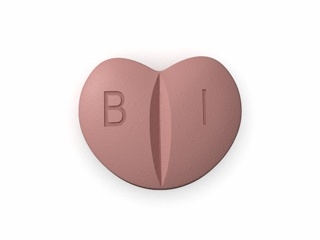

Zebeta (Bisoprolol) — Patient-Friendly Guide (Australia)
Zebeta is a brand of bisoprolol, a medicine from the group of drugs called beta-blockers. It is used to help control certain heart conditions and to protect the heart from excessive strain. This guide is designed to help you understand how Zebeta works, how it is taken, and what to consider for safe use.
This information is general and may not cover every personal situation. If you have questions about your condition or how to take Zebeta, speak with your doctor or pharmacist.
Quick product information
| Category | Details |
|---|---|
| Brand name | Zebeta |
| Generic name | Bisoprolol |
| Medicine type | Beta-blocker (cardioselective) |
| Common forms | Tablets (strength varies by product range) |
| How it works | Slows heart rate and reduces workload on the heart |
| Typical use | High blood pressure, angina, certain heart rhythm issues, and some heart failure regimens |
| Key precautions | Do not stop suddenly; caution with asthma/COPD, slow pulse, certain conduction problems |
How Zebeta works (mechanism of action)
Bisoprolol is a beta-blocker. It primarily blocks beta-1 receptors in the heart (often described as cardioselective). This leads to:
- Slower heart rate (less “speed” and less cardiac workload)
- Reduced force of contraction, which helps the heart pump more efficiently
- Lower oxygen demand by the heart muscle
- For rhythm problems: helping stabilise electrical activity that can contribute to abnormal heart rhythms
Over time, controlling heart strain can improve symptoms and reduce the risk of complications for certain cardiac conditions.
Pharmacokinetics (how the body handles bisoprolol)
While individual responses vary, these general points are useful for understanding timing:
- Absorption: Bisoprolol is absorbed after oral dosing. Food can influence absorption slightly, but overall effects are often minor when taken regularly.
- Peak effect: The medicine typically reaches its highest blood level within a few hours after a dose.
- Duration: Bisoprolol has a longer lasting effect, which is why it is commonly taken for many people.
- Metabolism and elimination: Bisoprolol is eliminated through a combination of metabolic pathways and excretion. The exact balance can differ between people.
- Steady state: With regular daily dosing, effects build up and stabilise over several days.
Your doctor may adjust your dose based on your pulse rate, blood pressure, symptoms, and any other medicines you take.
What Zebeta is typically used for (indications)
Zebeta may be used to treat or manage several cardiovascular conditions, depending on your clinical assessment. Common indications include:
- High blood pressure (hypertension): Helping lower blood pressure and reduce cardiovascular risk.
- Angina pectoris: Reducing the frequency of chest pain episodes by lowering the heart’s oxygen demand.
- Heart rhythm problems: Helping control certain abnormal heart rates (for example, some supraventricular tachyarrhythmias) as part of a broader treatment plan.
- Chronic heart failure (selected patients): Bisoprolol is used in certain heart failure regimens, usually after careful assessment and gradual dose titration.
If you are unsure which condition you are taking Zebeta for, check the reason stated on your medicine label or ask your pharmacist.
How and when to take Zebeta (timing and routine)
Many people take Zebeta . The precise timing should be based on your prescribed regimen and advice from your healthcare professional.
- Choose a consistent time: Taking it at the same time each day helps maintain steady blood levels.
- Morning or evening: Either may be appropriate; some people prefer morning dosing, while others do better with evening dosing if it reduces side effects such as dizziness during the day.
- Do not miss doses: If you miss a dose, take it when you remember unless it is close to the time of the next dose. Do not take a double dose.
- Do not stop suddenly: Beta-blockers should generally be reduced gradually to avoid rebound effects (such as increased heart rate, worsening angina, or blood pressure changes).
If you need to stop or change your treatment, your doctor will usually taper the dose safely.
Food interactions (can you take Zebeta with meals?)
Zebeta can generally be taken , depending on your product instructions and your personal tolerance.
- With meals: Taking bisoprolol with food may help some people feel more comfortable if they experience mild stomach upset.
- Consistency matters: Try to take it the same way each day (always with food or always without) to keep your routine stable.
If your pharmacist advises a specific approach for your situation, follow that guidance.
Alcohol and medicine interactions
Alcohol
Alcohol can sometimes increase side effects of blood pressure medicines, including:
- dizziness
- light-headedness
- faintness
- lower blood pressure effects
If you drink alcohol, do so cautiously and consider whether it worsens dizziness—especially when you first start Zebeta or after a dose change.
Other medicines (important interactions)
Several medicines can interact with bisoprolol, potentially affecting heart rate, blood pressure, or heart rhythm. Tell your pharmacist or doctor about all medicines you use, including:
- Other beta-blockers or medicines that slow the heart
- Verapamil or diltiazem (some heart rate–slowing calcium channel blockers)
- Antiarrhythmics (medicines used for abnormal heart rhythms)
- Clonidine (blood pressure medicines) — special caution is required if stopping
- Diabetes medicines (see “safety and practical tips” below)
- Digoxin (heart medicine) — can contribute to slower heart rate in combination
- Non-steroidal anti-inflammatory drugs (NSAIDs) such as ibuprofen or naproxen (may affect blood pressure control in some people)
- Some antidepressants and other medicines that affect heart rhythm
- Medicines for asthma (especially if you use beta-agonist inhalers frequently)
This is not a complete list. Your pharmacist can check interactions for your specific medicines.
Dosing: typical approach and titration
Dosing depends on the condition being treated, your age, kidney/liver function, and how well your body tolerates the medication. For many cardiovascular uses, clinicians start with a lower dose and adjust gradually based on:
- heart rate
- blood pressure
- symptoms (e.g., chest pain episodes, breathlessness, dizziness)
- side effects
For heart failure, dosing often involves careful titration—starting low and increasing gradually to reach a target dose if appropriate.
Common dosing principles (general)
- Start low: Especially in people who are older or sensitive to blood pressure changes.
- Adjust gradually: Changes may be made every one to two weeks (or as directed), depending on clinical response.
- Once daily regimen: Many people take it once in the morning or evening.
- Missed dose: Follow the “missed dose” advice on your medicine information or label.
Always follow the dose written on your medication label. Never adjust your dose based on symptom changes alone.
Safety profile: who should be careful and what to watch
Like all medicines, Zebeta can cause side effects. Many people tolerate bisoprolol well, particularly when dosing is started and increased gradually. However, it’s important to recognise possible risks.
Common side effects
- Tiredness or reduced energy
- Dizziness or light-headedness (especially when standing)
- Slow heart rate (bradycardia)
- Cold hands and feet
- Nausea or mild stomach discomfort
- Sleep disturbance or vivid dreams (reported by some people)
Less common but important risks
- Worsening of heart failure symptoms during dose increases if the body is not ready
- Low blood pressure (hypotension)
- Breathing problems in susceptible individuals (especially those with asthma/COPD)
- Conduction problems (some people may experience worsening electrical signalling in the heart)
- Changes in blood sugar awareness (beta-blockers can mask some symptoms of hypoglycaemia)
When to seek urgent help
Get urgent medical assistance if you experience:
- Fainting or severe dizziness
- Chest pain that is new, worsening, or not relieved
- Severe shortness of breath or wheezing
- Signs of an allergic reaction (swelling of face/lips, trouble breathing, widespread rash)
Who needs extra caution?
Talk to your pharmacist or doctor before starting or continuing Zebeta if you have:
- Asthma, wheezing, or chronic obstructive pulmonary disease (COPD)
- Very slow pulse or certain heart conduction disorders
- Uncontrolled heart failure or recent worsening symptoms
- Diabetes or frequent episodes of low blood sugar
- Severe liver or kidney disease
- Peripheral circulation problems (e.g., Raynaud’s phenomenon)
Practical use tips for everyday life
- Check your pulse: If your clinician has advised it, monitor your heart rate and report if it becomes very low or you feel unwell.
- Rise slowly: Dizziness can happen when moving from lying/sitting to standing—especially early in treatment or after dose changes.
- Don’t skip or “double up”: Keep to the schedule; if you miss a dose, follow label guidance.
- Be consistent with administration: Same time each day, same food approach (with or without) if possible.
- Exercise and symptoms: If you notice reduced exercise tolerance, discuss it—do not stop suddenly.
- Diabetes considerations: Beta-blockers may reduce awareness of some hypoglycaemia symptoms (such as palpitations). If you use insulin or medicines that can cause low blood sugar, ensure you have a clear plan from your healthcare team.
Alternative options (if Zebeta isn’t suitable)
Treatment depends on your condition, medical history, and tolerability. If bisoprolol is not appropriate, clinicians may consider other options. For beta-blocker therapy, alternatives may include:
- Other beta-blockers (selection depends on heart disease type and your side-effect profile)
- Non–beta-blocker medicines for blood pressure or angina, such as certain calcium channel blockers, ACE inhibitors, ARBs, or others (depending on your situation)
- Rhythm-specific strategies if you have an abnormal heart rhythm—your doctor may tailor choices based on the rhythm type and severity
Do not switch between brands or medicines without consulting your clinician or pharmacist, especially when titrating for heart failure.
Australia: market, legal and guidance context
In Australia, bisoprolol medicines like Zebeta are supplied through regulated pharmacy channels. Medicines containing bisoprolol are generally available only under the appropriate Australian scheduling and regulatory framework. Availability and packaging may vary by brand and strength.
Professional practice in Australia typically follows evidence-based cardiovascular guidelines. In particular, beta-blocker use is commonly supported for conditions such as hypertension, angina, and chronic heart failure (in selected patients). Heart failure treatment often emphasises starting low and titrating slowly with close monitoring.
If you want the most up-to-date country-specific advice, your pharmacist can also direct you to current information resources used by Australian healthcare providers.
Recent guidance (how it affects everyday use)
Over recent years, major clinical guidance has reinforced:
- careful initiation and dose titration for heart failure
- monitoring of heart rate, blood pressure, and symptom response
- avoiding abrupt discontinuation of beta-blockers
- coordination around drug interactions, especially with heart-rate–altering medicines
Your individual plan may reflect this guidance, alongside your medical history.
Delivery and availability (online pharmacy notes)
Zebeta (bisoprolol) may be available through Australian online pharmacies, typically with standard delivery options. Availability can vary by strength and pack size.
- Stock updates: Some strengths may have limited availability depending on supply.
- Delivery times: Delivery time depends on your location and courier service.
- Packaging: Medicines are usually delivered in manufacturer or pharmacy packaging designed to protect tablets during transport.
- Verify the label: Before use, check that the strength and dosing instructions match your prescription plan and label.
If you need a specific strength (e.g., a particular mg dose), you can ask the online pharmacy’s support team whether it is currently in stock and what delivery options are available.
FAQ about Zebeta (bisoprolol)
1) How long does Zebeta take to work?
Some effects (such as reduced heart rate and blood pressure changes) may be noticed within hours to days. For chronic conditions like angina frequency or heart failure stability, benefits may take longer and often improve over weeks as dosing is optimised.
2) Why is Zebeta usually taken once daily?
Bisoprolol is formulated and dosed in a way that provides a long-lasting effect for many people, allowing a once-daily routine in many treatment plans.
3) Can I stop Zebeta suddenly if I feel better?
Generally, you should not stop beta-blockers suddenly. Stopping abruptly can lead to rebound increases in heart rate and worsening of angina or blood pressure control. If stopping is needed, it should be done by gradually reducing the dose under medical advice.
4) What should I do if I miss a dose?
If you miss a dose, take it when you remember unless it’s close to the time for your next dose. Do not take a double dose to “catch up.” If you’re unsure, check with your pharmacist.
5) Can I drive or operate machinery?
Zebeta can cause dizziness or tiredness in some people, particularly when starting or after a dose increase. If you feel dizzy, avoid driving or operating machinery until you know how Zebeta affects you.
6) Is Zebeta safe if I have asthma or wheezing?
Caution is needed. While bisoprolol is relatively cardioselective, beta-blockers can still affect breathing in susceptible individuals. If you have asthma or COPD, discuss your inhaler plan and risk with your clinician and pharmacist.
7) How does Zebeta affect blood sugar?
Beta-blockers may mask some signs of hypoglycaemia, such as palpitations. If you have diabetes, monitor blood glucose as advised and discuss warning signs with your healthcare team.
8) What if I drink alcohol while taking Zebeta?
Alcohol may increase the likelihood of dizziness or low blood pressure. Keep intake modest and pay attention to how you feel, especially after starting or changing your dose.
9) What interactions should I be most careful about?
Medicines that slow heart rate or affect heart rhythm may interact. Also mention all prescription and non-prescription medicines (including cold/flu products and pain relievers) to your pharmacist so they can check for interaction risk.
10) Are there alternatives if I don’t tolerate bisoprolol?
Yes. Depending on your condition, your clinician may consider alternative beta-blockers or different medicine classes. Do not switch without advice.
Need help choosing the right dose? If you have questions about Zebeta strength, timing, or potential interactions with your existing medicines, contact your pharmacist. They can provide tailored guidance based on your health profile.