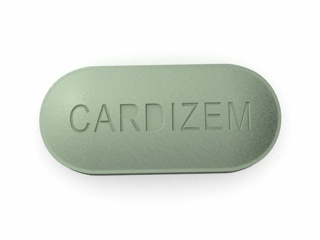

Cardizem (Diltiazem) – Patient Guide (Australia)
Cardizem is a brand name medicine containing diltiazem, a medicine used to treat certain heart rhythm and blood pressure problems. This page explains how it works, when and how it is commonly used, important safety information, and practical tips for everyday use in Australia.
Please note: This information is general and not a substitute for advice from your doctor or pharmacist. If you have questions about your specific situation, ask a healthcare professional.
Quick facts
- Active ingredient: Diltiazem
- Medicine type: Calcium channel blocker (CCB)
- Main effects: Slows heart rate, reduces heart’s workload, helps lower blood pressure
- Common forms: Different diltiazem preparations exist (e.g., immediate-release and modified-release)
- Typical uses: Certain types of abnormal heart rhythms and high blood pressure
- Key cautions: Heart block, low blood pressure, heart failure in some cases, and interactions with other medicines
Basic product information
Cardizem (diltiazem) belongs to a group of medicines called non-dihydropyridine calcium channel blockers. In practical terms, it helps relax and widen certain blood vessels and improves control of the heart’s electrical system.
In Australia, availability and presentation may vary by brand and formulation. Your pharmacist can advise on the exact product you have been supplied, including whether it is immediate-release or modified-release.
| Feature | What it means for you |
|---|---|
| How it works | Blocks calcium entry into heart and blood vessel cells, slowing conduction through the heart and relaxing vessels |
| Common benefits | Helps control certain rhythm problems and reduces blood pressure |
| Formulations | May include immediate-release (more frequent dosing) and modified-release (often once or twice daily dosing) |
| Monitoring | Heart rate, blood pressure, and symptoms should be monitored—especially early in treatment or after dose changes |
How diltiazem works (mechanism of action)
Diltiazem works by reducing the movement of calcium into cardiac (heart) and smooth muscle cells. Calcium plays a key role in:
- Heart rhythm and electrical conduction: Diltiazem slows the movement of electrical signals through the atrioventricular (AV) node
- Vascular tone: It relaxes blood vessels, which can lower blood pressure and reduce strain on the heart
Overall, Cardizem can help:
- Decrease heart rate or slow rapid heart rhythms
- Improve control of certain supraventricular arrhythmias
- Lower blood pressure and reduce the heart’s workload
Pharmacokinetics (how the body handles it)
Pharmacokinetics describes what happens after you take diltiazem—absorption, distribution, metabolism, and elimination. While exact numbers vary by formulation and individual factors, the following explains the typical pattern:
- Absorption: Diltiazem is absorbed from the gastrointestinal tract. Formulation type (immediate vs modified release) influences the speed and duration of effect.
- Peak effect: Immediate-release products generally reach peak levels sooner than modified-release products.
- Distribution: It distributes into body tissues and acts on the heart and blood vessels.
- Metabolism: Diltiazem is processed mainly by the liver through drug-metabolising enzymes.
- Elimination: Metabolites and some unchanged drug are eliminated primarily via the kidneys and/or bile.
- Half-life: The dosing schedule depends on the preparation and how long drug levels remain in the therapeutic range.
Why this matters: Because the liver metabolises diltiazem, liver impairment and certain interacting medicines can increase blood levels, raising the risk of side effects.
Typical uses and indications
Diltiazem is used for cardiovascular conditions where slowing of heart conduction and/or relaxation of blood vessels is beneficial. Common indications may include:
- High blood pressure (hypertension): To help lower blood pressure and reduce cardiovascular strain
- Some abnormal heart rhythms:
- Rate control in certain supraventricular tachycardias
- Control of ventricular rate in selected patients with atrial fibrillation or atrial flutter (as determined by a clinician)
- Angina (chest pain) in some cases: Depending on overall treatment plan and individual suitability
Indications and suitability depend on your heart rhythm type, blood pressure, other conditions, and other medications you take. Your pharmacist or doctor can help confirm the reason Cardizem was chosen for you.
Timing: when to take Cardizem
The best timing depends on the formulation you have (immediate-release vs modified-release). In general:
- Follow your dosing schedule exactly. Do not change the dose or stop suddenly unless advised.
- Try to take it at the same times each day to maintain steady levels.
- If you miss a dose:
- Take it when you remember if it is not close to the next dose.
- If it is almost time for the next dose, skip the missed dose.
- Do not double up.
Practical tip: If you are using a modified-release tablet, avoid crushing or splitting it unless your pharmacist specifically advises you to. Doing so can change how the medicine releases and may increase side effects.
Food interactions and effects
Diltiazem may be taken with or without food for many people, but food can affect absorption depending on the formulation. To keep things consistent:
- Take it the same way each day (either consistently with food or consistently on an empty stomach), unless your clinician advises otherwise.
- If you experience nausea, dizziness, or stomach upset, taking it with food may be more comfortable (ask a pharmacist if unsure).
Your pharmacist can confirm the most appropriate way to take your specific Cardizem product.
Alcohol and medicine interactions
Alcohol can increase dizziness and may lower blood pressure in some people. Because Cardizem also affects heart rate and blood vessels, combining with alcohol may increase the chance of:
- Dizziness or light-headedness
- Feeling faint
- Increased drowsiness or reduced alertness
General guidance: If you drink alcohol, do so cautiously and monitor how you feel. Avoid heavy drinking, especially when starting or adjusting the dose.
Important medicine interactions
Diltiazem has clinically important interactions due to its effects on heart conduction and its metabolism by liver enzymes. Always tell your pharmacist about:
- All prescription medicines
- Over-the-counter products (including cold/flu remedies)
- Herbal supplements (e.g., St John’s wort)
- Vitamins or mineral products
Common interaction categories include:
- Other blood pressure or heart medicines: May increase the risk of low blood pressure or slow heart rate
- Other calcium channel blockers
- Beta-blockers
- Medicines that slow heart rhythm
- Medicines that affect liver metabolism: Some medicines can increase or decrease diltiazem levels, changing effectiveness and side effect risk.
- Examples that may increase diltiazem levels (depending on product): certain antibiotics, antifungals, and medicines for HIV
- Examples that may reduce levels: some drugs that activate liver enzymes (e.g., St John’s wort)
- Antiarrhythmics and conduction-slowing agents: Increased risk of heart rhythm problems or heart block
- Statins: Depending on which statin you take, the combination may increase muscle-related side effects in some cases
- Digoxin: Levels may be affected; monitoring may be needed
- Other drugs that lower heart rate: Higher chance of bradycardia (slow heart rate)
This is not a complete list. If you are unsure about a medicine or supplement, ask your pharmacist before taking it with Cardizem.
Dosing (general information)
Diltiazem dosing must be individualised. Your doctor will choose the starting dose and adjust based on your condition, response, heart rate, blood pressure, and side effects.
Because Cardizem exists in different strengths and release types, the exact dose should be confirmed by your healthcare professional. The following provides general context rather than specific dosing instructions:
- Immediate-release formulations: Often require multiple doses per day to maintain effect
- Modified-release formulations: Designed to release medicine steadily over time, often allowing once or twice daily dosing
- Special populations:
- Older adults: May be more sensitive to blood pressure lowering and slow heart rate
- Liver impairment: May require dose adjustments and closer monitoring
- Kidney impairment: Dose changes may or may not be required depending on severity and formulation
Do not change your dose based on how you feel. If your symptoms are not controlled or you have troublesome side effects, contact your healthcare professional rather than stopping abruptly.
Safety profile: side effects and when to seek help
Like all medicines, Cardizem can cause side effects. Many people tolerate it well, but some adverse effects require urgent medical attention.
Common or expected side effects
- Headache
- Dizziness or light-headedness
- Swelling in the ankles or legs (peripheral oedema)
- Flushing or warmth
- Fatigue
- Constipation (sometimes)
- Low blood pressure symptoms (feeling faint)
- Slow heart rate (bradycardia) in some people
Serious side effects (seek urgent help)
Get urgent medical assistance if you experience:
- Fainting or severe dizziness
- Chest pain that is new, worsening, or severe
- Breathing difficulty or severe swelling
- Very slow heart rate, or a feeling that your heartbeat is suddenly irregular
- Signs of an allergic reaction such as swelling of the face/lips, rash, or difficulty breathing
If you are unsure whether symptoms are serious, it is safer to seek advice promptly.
Who needs extra caution
Inform your doctor if you have (or have had):
- Heart block or problems with electrical conduction
- Very low blood pressure
- Heart failure or reduced heart pumping function
- Liver disease
- Kidney disease
- Other rhythm conditions or implanted devices
Practical use tips (making treatment easier)
- Monitor pulse and blood pressure if advised: Some people benefit from keeping a simple log of heart rate and blood pressure, especially during dose changes.
- Stand up slowly: If you feel light-headed, rise gradually from sitting or lying down.
- Be consistent with your formulation: Don’t switch between immediate-release and modified-release products without clinician guidance.
- Check for “hidden” interactions: Decongestants and some cough/cold products can affect heart rate and blood pressure.
- Carry a medicine list: Include Cardizem and other cardiovascular medicines to help clinicians in emergencies.
- Report new symptoms early: Sudden worsening palpitations, fainting, or unusual shortness of breath should be assessed promptly.
Alternative options (if Cardizem isn’t suitable)
Treatment depends on the condition being treated and your individual risk factors. Alternatives can include:
- Other calcium channel blockers:
- For vascular effects, some people may be treated with dihydropyridine calcium channel blockers
- Beta-blockers: Often used for rate control in certain rhythm disorders
- Other rhythm-specific medicines: Depending on the type of arrhythmia and clinical assessment
- Combination therapy: Some patients need more than one medicine to reach target control
- Procedural options: In selected cases, cardiology interventions may be considered
Your doctor can explain which alternatives are most appropriate for your diagnosis and comorbidities.
Australia: market and legal context (overview)
In Australia, medicines are regulated through the Therapeutic Goods Administration (TGA). Diltiazem products such as Cardizem are used under Australian clinical practice. Availability depends on formulation and pharmacy supply processes.
Medicines may be dispensed through licensed pharmacies and may require appropriate patient assessment for safe use, including review of medical history and interactions. Always consult your local pharmacist regarding the exact product you are purchasing and the correct way to take it.
For current official product information, patients and healthcare professionals may use resources such as:
- TGA (Therapeutic Goods Administration) for general information and safety updates
- Australian product information (PI) / consumer medicine information (CMI) provided with supply
Recent guidance and safety updates (how to stay informed)
Medication safety guidance can evolve as new evidence becomes available, including updates about interactions, monitoring recommendations, or changes in formulation availability. In Australia, healthcare professionals commonly reference:
- Current product information and consumer medicine information
- Medicine safety alerts where applicable
- Advice from the pharmacist based on your full medication list
What you can do: Each time you receive your medicine, check that you have the correct strength and release type. If anything on the label differs from your usual supply, contact your pharmacist before taking it.
Delivery and availability (online pharmacy considerations)
Availability and delivery options depend on the pharmacy you use, stock levels, and the presentation of the specific product. When ordering Cardizem online in Australia, common expectations include:
- Verification steps: Some orders may require patient details and/or pharmacist review for safe dispensing.
- Packaging: Medicines are typically supplied in manufacturer packaging to ensure correct identification.
- Delivery timeframes: Vary by state and local courier routes; you can often view estimates at checkout.
- Cold chain: Diltiazem is not generally classified as requiring refrigerated transport, but follow the product label instructions.
If you have urgent needs (e.g., you are running out), contact customer support to ask about dispatch times and available stock.
FAQ about Cardizem (Diltiazem)
1) What is Cardizem used for?
Cardizem (diltiazem) is used to help treat certain heart rhythm problems and to lower blood pressure (and in some cases, chest pain/angina), depending on individual medical circumstances and your doctor’s assessment.
2) How fast does it start working?
The onset depends on the formulation. Immediate-release products tend to act faster than modified-release products. Your clinician can advise what to expect and how quickly symptom improvement may occur.
3) Can I take Cardizem with food?
Many people can take diltiazem with or without food, but it’s best to be consistent and follow product directions. If your stomach feels upset, taking it with food may help—ask your pharmacist if unsure.
4) Will Cardizem make me feel dizzy?
Dizziness can occur, especially at the start of treatment or after dose increases, due to changes in heart rate and blood pressure. Rise slowly from sitting or lying positions, and avoid driving or operating machinery if you feel unwell.
5) Are there interactions with other heart medicines?
Yes. Medicines that also slow the heart (such as some beta-blockers or other rhythm medicines) may increase the risk of slow heart rate, low blood pressure, or conduction problems. Always provide your full medication list to your pharmacist.
6) Can I drink alcohol while taking Cardizem?
Light to moderate alcohol may be acceptable for some people, but it can increase dizziness and lower blood pressure. Avoid heavy drinking and monitor how you feel. If you are unsure, ask your pharmacist.
7) What should I do if I miss a dose?
If you remember soon after missing it, take it when you remember unless it is close to the next dose. If it’s nearly time for your next dose, skip the missed dose. Do not take a double dose.
8) What side effects should make me contact a doctor urgently?
Seek urgent help for symptoms such as fainting, severe dizziness, severe shortness of breath, chest pain that is new or worsening, signs of allergic reaction, or symptoms suggesting very slow or abnormal heart rhythms.
9) What if I have liver problems?
Liver impairment can increase diltiazem levels and the risk of side effects. Your doctor may adjust the dose and arrange monitoring. Tell your pharmacist about any liver condition before starting Cardizem.
10) Are there alternatives to Cardizem?
Depending on your diagnosis, other medicines may be considered (for example other classes of calcium channel blockers or beta-blockers). Your doctor can help decide what fits your condition and health history.
Summary
Cardizem (diltiazem) is a calcium channel blocker used in Australia for conditions such as hypertension and certain heart rhythm disorders. It works by slowing electrical conduction through the heart and relaxing blood vessels. Because it can affect heart rate and blood pressure, and because it has important interactions with other medicines, safe use depends on correct dosing, consistency with formulation, and careful medication review.
If you have questions about your specific product, interactions, or how to manage side effects, speak with a pharmacist.