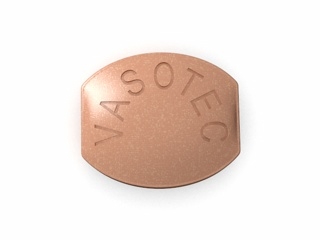


Vasotec (Enalapril) — Patient-Friendly Guide (Australia)
Vasotec contains enalapril, a medicine used to treat certain cardiovascular and kidney conditions. This guide explains how it works, when it’s typically taken, what to expect, key safety information, and practical tips to help you use it confidently.
Note: Information on this page is general and designed to help you understand your medicine. Always follow the instructions provided by your healthcare professional and read the Consumer Medicine Information (CMI) supplied with your product.
Basic product information
| Category | Details |
|---|---|
| Medicine | Vasotec (Enalapril) |
| Medicine type | ACE inhibitor (angiotensin-converting enzyme inhibitor) |
| Common forms | Oral tablets (strengths vary by product availability) |
| Who it may be used for | High blood pressure, heart failure, and certain kidney/heart-related conditions |
| How it’s taken | Usually once or twice daily, depending on your condition |
How Vasotec works (mechanism of action)
Enalapril belongs to the group of medicines called ACE inhibitors. It works by affecting the body’s renin–angiotensin system, which helps control blood vessel tone and salt–water balance.
In simple terms:
- Enalapril helps the body relax blood vessels, reducing resistance to blood flow.
- It can lower blood pressure.
- It may reduce the strain on the heart, improving symptoms and outcomes in selected people with heart failure.
- Over time, ACE inhibition can also support kidney function in particular scenarios, though kidney monitoring is essential.
Pharmacokinetics (how the medicine moves through the body)
“Pharmacokinetics” describes what the body does to the medicine. While individual responses vary, the general pattern for enalapril is:
- Absorption: Enalapril is absorbed after oral dosing.
- Conversion (activation): Enalapril is converted in the body to its active metabolite, enalaprilat.
- Onset: Blood pressure–lowering effects usually begin within the first hours after a dose.
- Peak effect: Peak activity typically occurs several hours after dosing.
- Duration: The medicine is designed for once or twice daily dosing depending on your regimen.
- Elimination: Mainly through the kidneys. This is why kidney function affects dosing and safety.
Because enalapril affects salt and fluid regulation, your clinician may adjust dose based on blood pressure, kidney function, and potassium levels.
Typical uses (what it’s prescribed for)
Vasotec (enalapril) is commonly used for:
- Hypertension (high blood pressure): Helps lower blood pressure and reduce cardiovascular risk.
- Heart failure: Helps reduce symptoms and improve outcomes for appropriate patients.
- Left ventricular dysfunction: May be used in selected patients to help prevent or delay progression of heart failure.
Your specific indication depends on your medical history, test results, and overall risk factors.
When and how to take Vasotec (timing and routine)
Many people take Vasotec as part of a daily routine. While your dosing schedule is individualized, common practical guidance includes:
- Consistency matters: Try to take it at the same times each day.
- With or without food: Food generally does not significantly reduce its effectiveness, but follow your product instructions.
- Missed dose: If you miss a dose, take it when you remember unless it’s close to the next dose. Don’t take double doses to make up for a missed one.
What to expect over time: Blood pressure may lower within hours, but long-term benefits build over weeks. If you’re taking it for heart failure, you may still feel symptom changes over time, alongside monitoring.
Food interactions
Enalapril is generally not highly affected by food. Most people can take it with or without meals.
However, if you experience stomach upset or dizziness, changing the timing (e.g., taking it with food) may help. Discuss any side effects with a healthcare professional.
Alcohol interactions and safety
Combining enalapril with alcohol can increase the chance of:
- Dizziness or light-headedness
- Low blood pressure (especially when standing up)
- Falls, particularly in older adults or those prone to dehydration
If you choose to drink alcohol, do so cautiously and monitor how you feel—especially when starting or adjusting dose. Avoid heavy drinking, particularly around dose changes.
Medicine interactions (important)
Enalapril can interact with several other medicines. Some combinations increase the risk of low blood pressure, kidney problems, or changes in potassium. Always provide your pharmacist with a complete list of medicines and supplements you take.
Medicines that may require extra caution
- Potassium supplements or potassium-containing salt substitutes: May increase potassium and risk hyperkalaemia.
- Diuretics (“water tablets”): Some may contribute to dehydration or low blood pressure; kidney function and electrolytes may need monitoring.
- Other blood pressure medicines: Additive lowering effect may increase risk of hypotension.
- Non-steroidal anti-inflammatory drugs (NSAIDs) (e.g., ibuprofen, naproxen, diclofenac):
Regular or high-dose NSAID use may reduce kidney blood flow and increase risk of kidney impairment—especially with dehydration. - Lithium: ACE inhibitors can increase lithium levels and toxicity risk.
- Diabetes medicines: Blood sugar effects may be altered; monitor as advised.
- Medicines affecting the renin–angiotensin system: Combining with another ACE inhibitor or certain RAAS blockers may increase risk of adverse effects and is usually avoided unless specifically directed.
Herbal and supplement considerations
- Licorice root (found in some herbal products) may affect blood pressure and potassium balance.
- Potassium-containing supplements should be used only if your clinician has checked your potassium level.
Dosing overview (how doses are commonly adjusted)
Dosing depends on the condition being treated, kidney function, age, and other medicines you take. A typical dosing approach includes:
- Starting dose: Often lower at the beginning to reduce the risk of dizziness or low blood pressure.
- Titration: Dose may be increased gradually based on blood pressure response and lab results (especially kidney function and potassium).
- Heart failure or left ventricular dysfunction: Dose is usually adjusted carefully because people may be more sensitive to blood pressure changes.
- Renal impairment: Dose adjustments are commonly required, and close monitoring is important.
Because exact dose schedules vary by patient, this page does not provide a one-size-fits-all dosing chart. Your pharmacist can help you confirm what dose is intended for you when you have your prescription details and the product strength.
Indications and how they may be monitored
For each indication, monitoring helps ensure safety and effectiveness:
- Hypertension: Blood pressure checks at clinic and/or at home (if recommended), with regular follow-up.
- Heart failure / ventricular dysfunction: Symptom monitoring (breathlessness, fatigue, swelling), plus blood tests for kidney function and potassium.
- Kidney-related considerations: ACE inhibitors can change kidney filtration pressures; therefore, creatinine and potassium are monitored.
Safety profile (what to watch for)
Like all medicines, Vasotec can cause side effects. Many people tolerate it well, but it’s important to know what’s normal and what needs urgent attention.
Common or expected effects
- Dizziness or light-headedness (especially after starting or dose increases)
- Low blood pressure symptoms (e.g., feeling faint)
- Headache
- Fatigue
- Cough (a known ACE inhibitor effect)
Serious side effects (seek urgent medical help)
- Swelling of the face, lips, tongue, or throat (possible angioedema)—this is an emergency.
- Difficulty breathing or swallowing with swelling or hives.
- Severe or persistent decrease in urination, very reduced fluid intake, or signs of worsening kidney problems.
- Fainting or severe dizziness that doesn’t settle.
- Signs of high potassium (may include muscle weakness, palpitations). Lab testing is the most reliable way to detect this.
Laboratory monitoring (important)
- Kidney function (creatinine/eGFR)
- Potassium levels
- Blood pressure and sometimes sodium levels
Your clinician will typically arrange blood tests after starting and after dose changes, then periodically based on your risk and stability.
Practical use tips
- Stand up slowly: If you feel light-headed, especially after doses, rise gradually from sitting or lying positions.
- Hydration matters: Dehydration (e.g., vomiting/diarrhoea, hot weather without fluids) can increase dizziness and kidney risks—contact your clinician for advice if you become unwell.
- Keep a medication list: Include dose and all medicines, including OTC products and supplements, and share it with each healthcare provider.
- Don’t use NSAIDs frequently without advice: If you need pain relief, ask your pharmacist what’s safest for you.
- Report persistent cough: ACE inhibitor cough is common; if it affects you, discuss options rather than stopping suddenly.
- Be careful with dose changes: Starting or increasing dose can temporarily increase dizziness or low blood pressure.
Alternative options (if needed)
Depending on why you’re taking enalapril and how you tolerate it, clinicians may consider other medicines. Options often include:
- Other ACE inhibitors: e.g., perindopril or lisinopril (choice depends on individual factors).
- ARBs (angiotensin receptor blockers): e.g., losartan or valsartan—often considered if ACE inhibitors cause troublesome cough or other issues.
- Other blood pressure or heart failure medicines: such as beta-blockers, diuretics, mineralocorticoid receptor antagonists, or other agents based on your condition.
If you have side effects (like angioedema or severe reactions), do not self-switch—discuss alternatives with a clinician.
Market and legal context for Australia (overview)
Vasotec (enalapril) is an Australian prescription-only medicine. In Australia, medicines are regulated by the Australian Government and supplied through authorised channels. For online pharmacy services, supply must comply with Australian requirements, including patient eligibility checks and appropriate documentation by the dispensing service.
Availability can vary by strength and supply chain. Your online pharmacy listing typically reflects current stock status and delivery options.
Recent guidance and safety updates (high-level)
While specific product advice can change over time, healthcare safety messaging for ACE inhibitors commonly focuses on:
- Monitoring kidney function and potassium, particularly after starting and dose changes.
- Recognising angioedema early (including facial/tongue swelling and breathing difficulty).
- Reviewing “sick day” plans: contacting a clinician if you have vomiting/diarrhoea, dehydration, or severe illness that could affect hydration and kidney function.
- Avoiding unsafe combinations (for example, potassium supplements without lab checks and caution with NSAIDs).
If you have questions about your personal plan—especially after recent lab results or illness—ask your pharmacist or doctor.
Delivery and availability (online pharmacy)
For online ordering in Australia, delivery time depends on your location and the pharmacy’s dispatch schedule. Typical practical points include:
- Check stock status: If a product isn’t available immediately, some pharmacies can arrange alternative brands or quantities where appropriate.
- Packaging: Medicines are usually sent in secure, tamper-evident packaging.
- Storage on arrival: Store tablets as directed on the pack (commonly at controlled room temperature; keep away from moisture and heat).
- Delivery confirmation: You may receive email or SMS updates after dispatch.
If you’re travelling or have upcoming appointments, allow time for delivery so you don’t run out.
FAQ — Frequently asked questions
1) How quickly will Vasotec start working?
You may notice blood pressure changes within hours, but the full effect—especially for long-term cardiovascular benefits—develops over weeks. If you’re taking it for heart failure, symptom improvements can also take time.
2) Is Vasotec safe to take with food?
In general, food does not significantly change how enalapril works. You can usually take it with or without meals. If food helps reduce nausea or dizziness for you, that’s often reasonable—confirm with your product instructions.
3) Can I take pain relief like ibuprofen?
NSAIDs (including ibuprofen and naproxen) can affect kidney function and may increase risks when combined with ACE inhibitors, especially during dehydration. Ask your pharmacist for safer options and dosing advice for your situation.
4) Why do I need blood tests while taking enalapril?
ACE inhibitors can change kidney filtration and affect potassium levels. Blood tests help detect changes early so your dose can be adjusted if needed.
5) What should I do if I feel dizzy?
Sit or lie down immediately to prevent falls. If dizziness is severe, persistent, or you feel faint, contact a healthcare professional. The dose may need adjustment, especially after starting or increasing enalapril.
6) Is it okay to drink alcohol?
Alcohol can increase dizziness and lower blood pressure. If you drink, do so cautiously and avoid heavy amounts, particularly when starting or adjusting dose.
7) Does Vasotec cause a cough?
A dry, persistent cough is a known ACE inhibitor side effect. If it bothers you, discuss it with your healthcare professional—sometimes a medicine change (e.g., to an ARB) is considered.
8) Who should not take Vasotec?
People with a history of ACE inhibitor–related angioedema generally should not use enalapril. Also, caution is needed in people with significant kidney impairment or high potassium. Your clinician will assess suitability.
9) What are “sick day” instructions?
During illnesses that cause dehydration (such as vomiting, diarrhoea, or high fever), ACE inhibitors may require temporary review. Contact your healthcare provider for guidance rather than stopping on your own without advice.
10) What if I miss a dose?
Take the missed dose when you remember unless it’s close to the next scheduled dose. Do not take double doses to catch up. If you’re unsure, ask your pharmacist.
Summary
Vasotec (enalapril) is an ACE inhibitor used to manage high blood pressure and certain forms of heart failure or left ventricular dysfunction. It works by relaxing blood vessels and lowering strain on the heart. Because it can affect the kidneys and potassium levels, regular monitoring is important—especially after starting and when adjusting dose.
If you want, tell me which Vasotec strength you’re considering (or the purpose—blood pressure vs heart failure) and I can help you prepare a personalised checklist of what to discuss with your pharmacist, including likely monitoring and interaction checks.