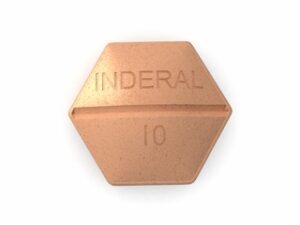
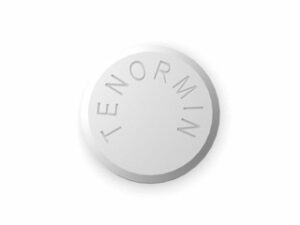
Atenolol (Atenolol Tablets) — Patient Information for Australia
Atenolol is a medicine commonly used to help manage certain heart and circulation conditions. It belongs to a group of medicines called beta-blockers. If you are considering atenolol—or already taking it—it helps to understand how it works, how to take it safely, and what interactions to watch for.
This page is designed to be patient-friendly and Australia-focused. Always follow the instructions provided by your healthcare professional and read the product information (consumer medicine information) supplied with your medicine.
Basic product information
| Item | Details |
|---|---|
| Generic name | Atenolol |
| Medicine type | Beta-1 selective beta-blocker |
| Common dosage strengths | Usually 25 mg, 50 mg, 100 mg tablets (strength varies by brand) |
| How it works | Reduces heart rate and blood pressure by blocking certain beta receptors |
| Typical dosing frequency | Often once daily (some regimens may differ) |
| Availability in Australia | Atenolol products are available through Australian pharmacies (availability varies by brand and strength) |
How atenolol works (mechanism of action)
Atenolol is a beta-1 selective beta-blocker. In simple terms, it helps slow down and “ease” the workload of the heart by:
- Reducing heart rate (fewer beats per minute).
- Decreasing how strongly the heart squeezes, which can reduce the amount of blood the heart pumps.
- Lowering blood pressure over time.
By blocking beta-1 receptors, atenolol can help improve symptoms and reduce strain on the cardiovascular system.
Pharmacokinetics (how the body handles atenolol)
Pharmacokinetics describes what the body does to the medicine—how it is absorbed, distributed, metabolised, and eliminated.
- Absorption: Atenolol is absorbed from the gastrointestinal tract. Absorption may vary between individuals.
- Peak levels: Blood concentrations typically peak within a few hours after a dose (commonly around 2–4 hours, depending on the person).
- Distribution: It circulates through the bloodstream and can reach target tissues such as the heart.
- Metabolism: Atenolol is not extensively metabolised by the liver, which is one reason it can be suitable for people where liver metabolism is a concern. However, dosing still depends on overall health and kidney function.
- Excretion: Atenolol is primarily eliminated by the kidneys. This means kidney function is important when choosing the dose.
- Half-life: The drug persists in the body long enough to allow once-daily dosing for many patients, though individual responses vary.
Kidney function matters: If you have impaired kidney function, your prescriber may adjust the dose to reduce the risk of side effects.
Typical uses of atenolol
Atenolol may be used to treat or help control the following conditions, depending on your clinical situation:
- High blood pressure (hypertension): To lower blood pressure and reduce cardiovascular risk.
- Angina (chest pain due to reduced blood flow to the heart): To help reduce frequency and severity of symptoms.
- Some heart rhythm or rate-control situations: For example, certain tachyarrhythmias where controlling heart rate is important (as determined by a clinician).
- Heart attack (secondary prevention): In selected patients, beta-blockers may be used following a heart event as part of a broader treatment plan.
Whether atenolol is the best choice for you depends on your medical history, other medicines, heart rate, blood pressure, and kidney function.
Indications and patient selection
In practice, atenolol is considered when a beta-blocker is appropriate. Clinicians often balance benefits against risks, particularly in people with:
- Very low heart rate (bradycardia) or low blood pressure
- Certain heart rhythm problems (especially if not controlled)
- Heart block (certain types)
- Severe asthma or certain chronic lung diseases (beta-blockers can affect breathing, though atenolol is beta-1 selective)
- Poor circulation symptoms (for example, severe peripheral arterial disease)
- Diabetes (because symptoms of low blood sugar can be less noticeable)
Your prescriber will consider your overall risk profile and may choose another beta-blocker or an alternative medicine if atenolol is not suitable.
How to take atenolol: timing and daily routine
Atenolol is commonly taken once daily, often at the same time each day. A consistent routine helps maintain steady blood levels and improves effectiveness.
Typical timing tips:
- Morning dosing: Many people take atenolol in the morning, especially if it doesn’t cause tiredness.
- Evening dosing: Some people prefer evening dosing if it helps reduce daytime side effects (but follow your prescriber’s instructions).
- Do not double up: If you miss a dose, take it when you remember unless it is nearly time for the next dose. Do not take two doses at once.
Starting dose may be lower: In some conditions, clinicians start at a lower dose and gradually adjust based on heart rate, blood pressure, and symptom control.
Food interactions (including whether you can take it with meals)
Food interactions with atenolol are generally not a major concern for most patients. In many cases, atenolol can be taken with or without food.
Practical approach:
- If atenolol upsets your stomach, try taking it with food.
- Choose a routine you can stick to—either always with breakfast or always on an empty stomach—unless your healthcare professional advises otherwise.
Alcohol and medicine interactions
Alcohol: Drinking alcohol while taking atenolol may increase side effects such as dizziness, lightheadedness, and reduced blood pressure. This can be especially noticeable when you stand up quickly.
Safety tips:
- Limit alcohol or avoid it if you experience dizziness.
- Be cautious with activities that require alertness (e.g., driving) if alcohol and atenolol make you feel unwell.
Medicine interactions: what to tell your pharmacist or doctor
Always check interactions when starting or stopping medicines. Atenolol can interact with other medicines that affect heart rate, blood pressure, or heart conduction.
Common interaction categories include:
- Other blood pressure medicines: May further lower blood pressure (e.g., some antihypertensives), leading to dizziness.
- Other heart rate–lowering medicines: Examples include certain calcium channel blockers (non-dihydropyridines), antiarrhythmics, and some other agents that slow conduction or heart rate.
- Medicines for asthma or breathing: Some “rescue” inhalers contain beta-agonists that can oppose the effect of beta-blockers. Atenolol is beta-1 selective, but individual responses vary.
- Diabetes medicines: Beta-blockers can mask symptoms of low blood sugar (like tremor or palpitations). They can also influence how your body responds to hypoglycaemia.
- Clonidine (if used): Stopping clonidine suddenly can cause rebound blood pressure issues; changes should be managed carefully if both are used together.
- Non-steroidal anti-inflammatory drugs (NSAIDs): NSAIDs may reduce the blood pressure-lowering effect of some antihypertensives in some people.
Supplements and over-the-counter medicines: Also mention herbal products, decongestants (often found in cold/flu medicines), and stimulant products. Some cold medications contain ingredients that can raise heart rate or blood pressure.
Dosing: typical regimens and important principles
Dosing must be individualised. Your prescriber will determine the right dose based on your condition, age, heart rate, blood pressure, and kidney function.
General dosing principles:
- Start low, adjust slowly: Beta-blockers are often initiated at a low dose and adjusted gradually to minimise side effects.
- Monitor response: Blood pressure and heart rate are commonly monitored, especially at the start or after dose changes.
- Kidney function adjustments: Because atenolol is largely cleared by the kidneys, doses may need adjustment in renal impairment.
- Do not stop abruptly: Stopping suddenly can lead to worsening angina, increased heart rate, or blood pressure changes.
Common strengths and frequency:
- Tablets may be taken once daily in many regimens.
- Some patients with specific conditions may require different timing or titration schedules.
Always follow your personal dosing schedule. If you are unsure, ask your pharmacist to confirm how and when to take your exact product strength.
Safety profile: side effects to know about
Like all medicines, atenolol can cause side effects. Many people tolerate it well, but it’s important to know what to expect.
Common side effects
- Feeling tired or weak
- Dizziness, especially when standing up quickly
- Slow heart rate (may be noticeable as fewer beats per minute)
- Cold hands and feet
- Sleep disturbances or vivid dreams (reported by some patients)
Less common but important side effects
- Worsening breathing symptoms in people with asthma or similar conditions (seek medical advice promptly)
- Low blood pressure (may cause fainting)
- Changes in mood (some people report depression or mood changes)
- Sexual dysfunction (can occur with many blood pressure medicines and beta-blockers)
Seek urgent medical care if you experience
- Fainting, severe dizziness, or signs of dangerously low blood pressure
- Severe shortness of breath, wheezing, or breathing difficulties
- Very slow heartbeat, chest pain that is new or worsening, or a collapse
- Signs of an allergic reaction (swelling of face/lips, hives, trouble breathing)
Who should be extra cautious?
- Older adults (more likely to experience dizziness or slow heart rate)
- People with kidney impairment
- People with diabetes or frequent hypoglycaemia
- People with asthma/chronic lung disease
- People taking multiple medicines that lower heart rate or blood pressure
Practical use tips (getting the most benefit safely)
- Check your pulse and blood pressure: If advised, monitor your heart rate and blood pressure, especially after starting or changing dose.
- Rise slowly: If you feel lightheaded, stand up slowly from sitting or lying positions.
- Keep your appointment schedule: Follow-up checks help ensure the dose is right for you.
- Don’t miss doses regularly: For conditions like hypertension and angina, consistent dosing matters. If you miss doses often, speak to your pharmacist about strategies.
- Watch for “masked” hypoglycaemia symptoms: If you have diabetes, you may need more frequent glucose monitoring, particularly when you begin or change dose.
- Inform healthcare providers: Always tell doctors, dentists, and other clinicians you are taking atenolol.
Alternatives to atenolol
There are other beta-blockers and non–beta-blocker medicines used for similar conditions. The “best” option depends on your individual needs and side-effect tolerance.
Other beta-blocker options (examples)
- Metoprolol
- Bisoprolol
- Carvedilol
- Propranolol
Non–beta-blocker alternatives (examples)
- ACE inhibitors (e.g., enalapril, lisinopril)
- Angiotensin receptor blockers (ARBs) (e.g., losartan, valsartan)
- Calcium channel blockers (e.g., amlodipine)
- Diuretics (e.g., hydrochlorothiazide)
If you’re experiencing side effects or your goals are not being met, ask your pharmacist or doctor whether switching or adjusting your regimen is appropriate.
Australia: market and legal context
In Australia, atenolol products are regulated medicines. They are supplied through legitimate pharmacy channels. Depending on the specific product and local regulatory requirements, availability may involve prescription processes managed by your healthcare provider.
Online pharmacy suppliers operate under Australian pharmacy and medicines regulations. A reputable service should provide:
- Clear product identification (brand/generic name and strength)
- Privacy protection for your health information
- Appropriate checks and guidance
- Delivery options consistent with Australian requirements
Important: Avoid purchasing medicines from unverified sources. Counterfeit or incorrect-strength medicines can be unsafe.
Recent guidance and clinical considerations
Beta-blockers remain an important class of cardiovascular medicines. In recent years, clinicians have increasingly emphasised:
- Individualised treatment: Choosing the right beta-blocker (and dose) based on patient characteristics and comorbidities.
- Careful titration and monitoring: Starting low, increasing gradually, and checking blood pressure and heart rate.
- Kidney and liver considerations: Dosing adjustments may be needed when kidney function is reduced.
- Understanding side effects: Managing dizziness, fatigue, and exercise tolerance to improve adherence.
Clinical recommendations can evolve as new evidence emerges. Your clinician may choose a different beta-blocker than atenolol for certain patients even when beta-blockers are indicated.
Delivery and availability (online pharmacy)
Availability of atenolol can vary by brand, strength, and stock levels. When ordering online in Australia, you can typically expect:
- Estimated dispatch times shown at checkout
- Tracking information once shipped (where offered)
- Secure packaging to protect tablets
- Temperature considerations: Standard tablet storage conditions are usually sufficient (follow the label instructions)
Storage: Keep tablets in a cool, dry place, away from heat and moisture, and out of reach of children. Store according to the product label.
Frequently asked questions (FAQ)
1) What is atenolol used for?
Atenolol is commonly used for conditions such as high blood pressure, angina (chest pain), and selected heart rhythm/heart rate control situations, depending on your medical history. Your clinician will confirm the specific reason for your individual treatment.
2) How long does it take to work?
Some effects (like slowing heart rate) can be noticed within hours of a dose. Blood pressure reductions usually become clearer over days to weeks. Angina prevention benefits may also develop gradually as your regimen stabilises.
3) Should I take it with food?
Atenolol can often be taken with or without food. If you experience stomach upset, taking it with meals may help. Keep a consistent routine unless your healthcare professional advises changes.
4) Can I drink alcohol while taking atenolol?
Alcohol may increase dizziness and lower blood pressure. If you choose to drink, do so cautiously and avoid activities that require alertness if you feel unwell.
5) What if I miss a dose?
Take your missed dose when you remember unless it is close to the time for your next dose. Do not take two doses at once. If you are unsure, ask your pharmacist for advice.
6) Can I stop atenolol suddenly?
You should generally not stop beta-blockers abruptly. Stopping suddenly can worsen angina or cause heart-related symptoms. If you need to stop, your clinician will guide a safe plan to taper if appropriate.
7) Will atenolol affect my breathing?
Because atenolol is beta-1 selective, it may be less likely to affect breathing than non-selective beta-blockers, but caution is still needed in asthma or chronic lung disease. If you notice wheezing or increased shortness of breath, seek medical advice promptly.
8) I have diabetes. Is atenolol safe?
Many people with diabetes use beta-blockers safely, but atenolol may mask some warning signs of low blood sugar (such as a racing heart). You may need more frequent glucose monitoring, especially when starting or changing dose.
9) What medicines should I avoid with atenolol?
Be cautious with medicines that also lower heart rate or blood pressure, certain antiarrhythmics, some cold/flu decongestants, and specific diabetes-related timing. Always tell your pharmacist about all medicines and supplements you use.
10) Who should contact a doctor urgently?
Contact urgent care or seek emergency assistance if you have fainting, severe dizziness, very slow heartbeat, chest pain that is new/worsening, severe breathing problems, or signs of an allergic reaction.
Summary
Atenolol is a beta-1 selective beta-blocker used to manage cardiovascular conditions such as high blood pressure and angina. It works by slowing the heart and reducing the workload on the cardiovascular system. For many patients, it is taken once daily, with dosing often tailored to heart rate, blood pressure, and kidney function.
If you experience dizziness, fatigue, breathing changes, or symptoms that concern you, speak to a healthcare professional promptly. With correct use and appropriate monitoring, atenolol can be an effective part of long-term cardiovascular care.