
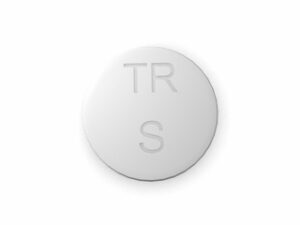
Plan B (Levonorgestrel) – Emergency Contraception (Australia)
Plan B is a form of emergency contraception containing levonorgestrel. It is designed to help reduce the chance of pregnancy after unprotected sex or after contraceptive failure. This page explains how it works, when to take it, what to expect, and important safety information—written to be clear and patient-friendly.
Quick facts
- Active ingredient: Levonorgestrel (a progestogen)
- Use: Emergency contraception after sex
- Best timing: The sooner you take it, the better
- Typical regimen: Usually a single dose of levonorgestrel
- Not an abortion pill: It works mainly by preventing or delaying ovulation
- Does not protect against future sex: You’ll need ongoing contraception for protection later
Basic product information
Plan B is an emergency contraceptive medicine. In Australia, products containing levonorgestrel for emergency contraception may be sold under different brand names and pack sizes depending on the supplier. Always check the specific pack you receive for the exact strength and dosing instructions.
| Category | Details |
|---|---|
| Medicine type | Emergency contraception (levonorgestrel, a synthetic progestogen) |
| Common dosing | Single oral dose of levonorgestrel (often 1.5 mg), depending on product strength |
| Who it’s for | People who need emergency contraception after unprotected sex or contraceptive failure |
| What it won’t do | It will not end an established pregnancy |
| Effectiveness | Highest when taken as soon as possible; effectiveness decreases with time |
Mechanism of action (how Plan B works)
Levonorgestrel is thought to reduce the chance of pregnancy mainly by:
- Delaying ovulation (the release of an egg), which helps prevent fertilisation.
- Reducing the likelihood of fertilisation by affecting the timing of ovulation.
- Thickening cervical mucus so sperm may have more difficulty reaching the egg (this effect may contribute to its overall action).
Plan B is most effective when taken before or around the time ovulation would otherwise occur. If ovulation has already happened and the egg is already released, the medicine may be less effective.
Pharmacokinetics (how the body handles levonorgestrel)
Pharmacokinetics describe how levonorgestrel is absorbed, distributed, metabolised, and eliminated. While individual responses vary, general principles include:
- Absorption: After oral administration, levonorgestrel is absorbed through the gastrointestinal tract.
- Distribution: It distributes through the body and binds to blood proteins.
- Metabolism: It is metabolised mainly by the liver.
- Elimination: Metabolites are removed from the body via urine and/or bile pathways.
Because levonorgestrel acts primarily around the time of ovulation, its real-world effectiveness depends more on timing after sex than on long-term accumulation.
Typical use: when to consider Plan B
Plan B is used as emergency contraception after events that may lead to pregnancy risk. Consider using it if:
- You had unprotected sex.
- Your condom broke or slipped.
- You missed pills or took them incorrectly (depending on the type of pill and timing).
- Your intrauterine device (IUD/IUS) was expelled or removed unexpectedly.
- You were late starting or missed doses of hormonal contraception.
- You had sex while you were concerned your contraception was not working as intended.
Plan B is a one-time emergency option. It should not replace regular contraception.
Timing: take it as soon as possible
Timing is critical for emergency contraception. Levonorgestrel is generally recommended to be taken:
- As soon as possible after unprotected sex
- Within a specified time window for maximum benefit (commonly up to 72 hours; some guidance also allows use up to 120 hours, but effectiveness may be lower the longer you wait—always follow product-specific instructions)
If you are deciding between options, taking any emergency contraception sooner is usually preferable to waiting. If you’re unsure which option is best for your situation, contacting a pharmacist or clinician can help.
What if you’re near ovulation?
If you know you’re close to your fertile window, emergency contraception may still be useful, but no method can guarantee prevention. If you took levonorgestrel and your period is late or unusual, take a pregnancy test.
Dosing (how to take Plan B)
Dosing depends on the strength of the levonorgestrel product you receive. Many Plan B products contain 1.5 mg levonorgestrel and are taken as a single oral tablet. Some products may use slightly different strengths or instructions.
General dosing approach:
- Take one dose by mouth as soon as possible after unprotected sex.
- Do not delay to “see if it’s needed.”
- If you vomit soon after taking it, emergency contraception may not have been absorbed fully. See the practical tips section for what to do in that situation.
Important: Always follow the dosing directions on your specific pack or the instructions provided by your pharmacy.
Food interactions and what to expect
Levonorgestrel emergency contraception can generally be taken with or without food. However, if you have nausea, taking it with a light snack may be more comfortable for some people.
- Grapefruit or specific foods: There is no well-known need to avoid particular foods with levonorgestrel for emergency use.
- Vomiting: If you vomit within a short time after taking the tablet, you may need advice about whether to take another dose (see practical tips).
Alcohol and medicine interactions
Alcohol: Moderate alcohol intake isn’t known to directly reduce levonorgestrel’s effectiveness, but heavy drinking may increase the likelihood of missing doses, vomiting, or worsening nausea—so it’s best to avoid binge drinking around the time you take emergency contraception.
Medicine interactions: Some medicines can reduce the effectiveness of levonorgestrel by increasing its metabolism or affecting hormone levels. Examples include:
- Enzyme-inducing medicines (commonly known examples include some treatments for epilepsy such as carbamazepine, phenytoin, phenobarbital; some tuberculosis medicines such as rifampicin/rifabutin; and St John’s wort).
- HIV treatment regimens that may be enzyme-inducing (depends on the specific medication).
If you take regular medicines, check with a pharmacist about possible interactions—especially if you take any enzyme inducers or herbal products like St John’s wort.
If your emergency contraception may be less effective due to interactions, a different emergency method (such as an IUD) may be considered depending on eligibility and availability.
Indications (who it’s used for)
In general, levonorgestrel emergency contraception is indicated for:
- Prevention of pregnancy after unprotected sexual intercourse
- Prevention of pregnancy after contraceptive failure (e.g., condom breakage, missed pills)
- Prevention of pregnancy following situations where contraceptive protection may not have been reliable
It is intended for emergency use and is not for routine contraception.
Safety profile and possible side effects
Levonorgestrel is widely used for emergency contraception. Most people experience mild, temporary side effects.
Common side effects
- Nausea
- Vomiting
- Lower abdominal cramps
- Fatigue or tiredness
- Headache
- Dizziness
- Breast tenderness
- Changes to your next period (earlier or later), and/or spotting
When to seek urgent medical advice
Seek medical attention urgently if you develop:
- Severe abdominal pain (especially if one-sided), persistent pain, or pain with fainting
- Signs of an allergic reaction (swelling of face/lips, difficulty breathing, widespread rash)
If you become pregnant after taking emergency contraception, a clinician should check for complications such as ectopic pregnancy. Ectopic pregnancy is uncommon, but it can be serious.
Pregnancy after emergency contraception
Plan B is not an abortion medicine. If pregnancy occurs despite treatment, it will not end the pregnancy. You should take a pregnancy test if your period is late or if you have symptoms of pregnancy.
Safety considerations
- Breastfeeding: Many guidelines consider levonorgestrel compatible with breastfeeding, but it’s wise to confirm with a pharmacist—especially if you plan to take additional doses in the future.
- Adolescents: Emergency contraception can be used by people of all ages who need it, following local guidance.
- Chronic conditions: If you have liver disease, clotting disorders, or other medical conditions, talk to a pharmacist or clinician for tailored advice.
Practical use tips (to get the best result)
- Act quickly: Take the tablet as soon as you can after unprotected sex.
- Use a reliable plan: Set a reminder or keep the tablet where you can access it immediately if needed.
- If you vomit:
- If you vomit soon after taking the dose, you may not absorb the medicine fully.
- Seek advice from a pharmacist promptly on whether you need another dose.
- Expect cycle changes: It’s common to have spotting and your next period may come earlier or later.
- Use ongoing contraception: Plan B does not protect you from pregnancy after you take it. Continue (or start) regular contraception right away according to advice.
- Don’t take multiple emergency doses repeatedly: It may be used more than once over time, but frequent use can be harder on your cycle and indicates you may need more reliable ongoing contraception.
What to do after taking Plan B
Pregnancy testing
Consider a pregnancy test if:
- Your period is more than a week late after you expected it
- You have pregnancy symptoms
- Bleeding is significantly different from your usual pattern and your period doesn’t arrive
When to resume or start regular contraception
After taking emergency contraception, start or resume your regular contraceptive method as soon as possible. If you’re using hormonal contraception, a pharmacist can guide you on timing to ensure protection while you transition.
If you have unprotected sex again after taking Plan B, you may still become pregnant, because it doesn’t provide ongoing protection.
Alternative emergency contraception options
Depending on timing, medical history, and medicine interactions, there may be other emergency contraception options. Availability may vary by product and service provider.
1) Copper IUD (IUD emergency contraception)
A copper IUD inserted by a clinician is often considered one of the most effective emergency contraception options, including closer to the time of ovulation and beyond. It also provides ongoing contraception after insertion.
2) Ulipristal acetate
Ulipristal acetate is another emergency contraceptive option used for pregnancy prevention after unprotected sex. It may be considered if:
- There are concerns about levonorgestrel effectiveness
- You are within the later part of the recommended time window
- You take medicine that may interact with levonorgestrel
The choice depends on timing and potential drug interactions. A pharmacist can help you compare options.
3) Follow-up care
If you’ve had repeated unprotected sex since the event, or if you’re unsure about ovulation timing, seeking advice can help choose the most effective next steps.
Australia: market and legal context
Emergency contraception in Australia is provided through community pharmacy services and other health pathways. Product availability and classification can vary (for example, some packs may be available without a doctor’s involvement, while others may require additional steps depending on current regulations and supply).
Local guidance generally emphasises:
- Early access to emergency contraception
- Clear information about timing and effectiveness
- Support for ongoing contraception and pregnancy testing when needed
If you’re using an online pharmacy, availability may depend on stock, region, and packaging. You should also review the specific product page and delivery details for the most accurate information.
Recent guidance and practical effectiveness considerations
Clinical and public health guidance worldwide commonly highlights that levonorgestrel’s effectiveness is highest when taken sooner after unprotected sex and decreases as time passes. Many guidelines also discuss reduced effectiveness in some people depending on timing around ovulation and body weight/BMI factors.
Because of this, many services encourage:
- Taking the medicine immediately after unprotected sex
- Considering alternatives such as ulipristal acetate or a copper IUD if you are outside the early window or have concerns about reduced effectiveness
- Seeking advice if you take enzyme-inducing medications or herbal supplements like St John’s wort
- Using reliable contraception afterward (emergency contraception isn’t ongoing protection)
Your pharmacist can help you choose the best option based on the time since sex and your personal circumstances.
Delivery and availability (online pharmacy)
Plan B (levonorgestrel) is commonly supplied in blister packs or single-dose cartons depending on brand and strength. Online availability may vary by:
- Region within Australia
- Stock levels
- Pack size and tablet strength
After you place an order, delivery times depend on the shipping method and dispatch schedule. When selecting your delivery option, check the estimated delivery window at checkout.
For privacy, many online pharmacies use discreet packaging. If you have specific concerns, contact customer support before ordering.
FAQ: common questions about Plan B (levonorgestrel)
1) Does Plan B work immediately?
Plan B begins working after you take it, but the main factor in preventing pregnancy is whether it can delay ovulation. That’s why it’s most effective when taken as soon as possible after unprotected sex.
2) What if I take it more than 72 hours after sex?
Levonorgestrel is usually recommended within a defined time window (commonly up to 72 hours, and sometimes longer depending on local product guidance). Effectiveness can be lower the longer you wait. If you’re beyond the early window, ask a pharmacist about the best emergency option for your timing.
3) Will Plan B affect an existing pregnancy?
No. Plan B is not intended to end an established pregnancy. If pregnancy occurs despite treatment, it will not terminate the pregnancy. If your period is late, take a pregnancy test.
4) Can I take Plan B more than once?
Emergency contraception can be taken more than once if needed, but it’s not ideal as a routine method. Frequent use may indicate that you need a more reliable ongoing contraception plan.
5) What side effects are normal?
Nausea, headache, dizziness, tiredness, breast tenderness, abdominal cramps, and spotting can occur. Your next period may be early or late. If you have severe pain or symptoms of allergy, seek urgent medical advice.
6) Will Plan B stop me getting pregnant if I have unprotected sex again?
No. Plan B does not provide protection for future sex acts. You should start or resume regular contraception promptly and use condoms until you’re protected.
7) Does Plan B work if I’m already ovulating?
If ovulation has already occurred, Plan B may be less effective because it cannot reliably prevent fertilisation once the egg has been released. Timing still matters, and alternatives may be considered depending on how close you are to ovulation.
8) Can I take Plan B with food?
Yes. It can usually be taken with or without food. If it causes nausea, taking it with a light snack may help.
9) What if I vomit after taking Plan B?
If you vomit soon after taking it, the dose may not have been absorbed. Contact a pharmacist promptly for advice on whether you need another dose.
10) What medicines can interfere with levonorgestrel?
Enzyme-inducing medications (and some herbal products like St John’s wort) can reduce effectiveness. If you’re unsure whether your medicines might interact, consult a pharmacist.
11) Is Plan B safe during breastfeeding?
Many guidelines consider levonorgestrel compatible with breastfeeding. If you’re breastfeeding, a pharmacist can confirm the most appropriate approach for your situation.
12) How soon should I arrange follow-up?
If your next period is late by more than a week, take a pregnancy test. If you have severe symptoms or you’re worried about side effects or effectiveness, contact a clinician.
Important reminders
- Emergency contraception is time-sensitive. Take it as soon as possible.
- Not a substitute for ongoing contraception. Use regular contraception going forward.
- Pregnancy testing matters. If your period is late or unusual, test.
- Ask for advice if interactions are possible. Enzyme-inducing medicines can reduce effectiveness.
If you have questions about your personal situation—such as medication interactions, timing after sex, or concerns about side effects—speak with a pharmacist or healthcare professional.