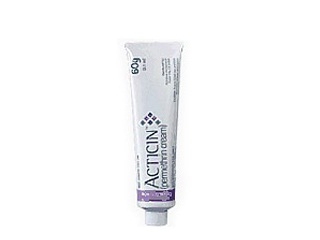
Acticin (Permethrin) – Patient Information (Australia)
Acticin contains permethrin, a medicine used to treat certain skin infestations caused by parasites. It is commonly used for scabies and head lice. This guide explains how Acticin works, how to use it safely and effectively, and what to expect.
Always follow the instructions on the label and any advice from your pharmacist or healthcare professional. If symptoms don’t improve or you’re unsure about diagnosis, seek medical advice.
Basic product information
| Item | Details |
|---|---|
| Medicine name | Acticin (Permethrin) |
| Active ingredient | Permethrin |
| Common uses | Scabies and head lice (depending on product form/strength) |
| How it’s used | Applied to the skin (scabies) or hair/scalp (head lice) |
| Typical availability | Often available through pharmacies |
Important: Acticin comes in different formulations for different conditions. Your instructions should match the condition you’re treating and the exact product you have (for example, scabies vs head lice products).
How Acticin (permethrin) works (mechanism of action)
Permethrin is a synthetic chemical belonging to the pyrethroid group. It acts on the nervous system of parasites by affecting sodium channels in their nerve cells.
- Permethrin causes abnormal nerve firing and paralysis.
- This leads to death of the parasite (and in many cases, prevents further infestation).
- It has low absorption through intact skin in most people.
Why timing matters: Many infestations involve eggs (for example, lice eggs) that may survive the first application. Repeat treatment is often needed to target newly hatched parasites.
Pharmacokinetics (how the body handles permethrin)
Absorption: When permethrin is used as directed on skin or scalp, systemic absorption is generally low. Most of the medicine remains on the surface and in the outer layers of skin or hair.
Distribution and metabolism: Any small amount absorbed is metabolised mainly in the liver into inactive metabolites.
Elimination: Metabolites are removed from the body primarily via urine.
Clinical meaning: Because absorption is typically low, side effects are usually local (e.g., itching, mild skin irritation) rather than widespread.
Typical uses in Australia
In Australia, permethrin products such as Acticin are used for common parasitic infestations including:
- Scabies (mites causing intensely itchy rash)
- Head lice (infestation of the scalp by lice)
Suspecting scabies: Often causes intense itching that may worsen at night. Common sites include finger webs, wrists, elbows, armpits, waistline, and genital area (in adults). Household contacts can also be affected.
Suspecting head lice: May cause scalp itching and you might see live lice or nits (eggs) attached to hair shafts, commonly near the scalp.
Indications
Acticin is indicated for the treatment of parasitic skin conditions where permethrin is effective, including:
- Scabies – for eradication of the mites
- Head lice – to kill lice and reduce infestation
Note: Correct diagnosis matters. If you’re not sure whether you have scabies or head lice, speak with a pharmacist or clinician. Using permethrin for the wrong condition may delay effective treatment.
Dosing and timing
Follow your product-specific instructions. Dosing can differ between scabies and head lice formulations and between strengths.
Scabies – typical approach
Commonly, scabies treatment involves:
- Applying permethrin over the skin as directed (often covering from the neck down; follow the product label for exact coverage).
- Paying attention to areas such as finger webs, under nails, wrists, elbows, armpits, and waistline.
- Keeping the product on for the recommended time (often several hours) before washing off.
- A repeat application after the interval specified on your instructions (often around 7 days) to address mites that may hatch after the first treatment.
- Treating close contacts at the same time when advised, even if they have no symptoms yet.
Head lice – typical approach
Commonly, head lice treatment involves:
- Applying to the scalp and hair according to the product label.
- Working through the hair (often with thorough combing) to improve lice removal.
- Leaving for the recommended duration before rinsing.
- Repeating the treatment after the specified number of days if instructed, usually to target newly hatched lice.
- Using a fine-toothed nit/lice comb as directed to remove lice and eggs.
When should you start seeing improvement?
- Itching may continue after successful treatment of scabies because the immune system remains reactive. This can last for weeks.
- For head lice, reduction is often seen soon after treatment, but nits may persist on hair; combing helps remove them.
Call for advice if: symptoms are worsening, you see live lice continuing after correct repeat treatment, or you’re unsure whether others were treated appropriately (especially for scabies).
Practical “step-by-step” use tips
The following tips are general and may not match every product exactly. Always use the package instructions for your exact Acticin formulation.
Preparation
- Ensure skin or hair is clean and dry (unless instructions say otherwise).
- Check fingernails and toenails; for scabies, mites can be present under nails—follow instructions carefully.
- Use gloves if recommended.
- Prepare clean clothing and bedding if you’ll be changing them after treatment.
Application
- Apply an even layer; don’t miss common high-risk areas.
- Use the right amount—under-application can reduce effectiveness.
- Avoid contact with eyes and mucous membranes (unless specifically instructed).
After treatment
- Wash off at the end of the recommended exposure time.
- Change clothing and bedding if instructed.
- For head lice, combing is a key part of treatment even after medication.
Food interactions
No specific food interactions are expected with Acticin when used topically as directed, because systemic absorption is generally low. However, if you accidentally ingest any product (for example, through contaminated hands), seek medical advice.
General tip: Wash hands thoroughly after application before eating or preparing food.
Alcohol and medicine interactions
Alcohol: There are typically no known alcohol interactions with topical permethrin. Because absorption is usually low, alcohol is not expected to affect how Acticin works.
Other medicines: No specific drug interactions are commonly highlighted for topical permethrin used as directed.
- If you’re treating a large skin area or have irritated/compromised skin, discuss concerns with a healthcare professional.
- Avoid using multiple topical insecticides at the same time unless instructed, as they may increase irritation.
Extra caution: If you’re also applying other creams or ointments, allow adequate time as recommended to avoid affecting treatment effectiveness or tolerability.
Safety profile
Most people tolerate permethrin well. Side effects are usually mild and local.
Common or expected side effects
- Skin irritation (burning, redness)
- Itching (may persist even after treatment)
- Dryness or mild rash
- Tingling or temporary discomfort at application sites
Less common but serious reactions
Seek urgent medical help if you experience symptoms of a serious allergic reaction, such as:
- Swelling of the face, lips, tongue, or throat
- Severe difficulty breathing
- Widespread hives or intense rash
When to stop and get medical advice
- Severe skin burning or blistering
- Signs of infection where skin has broken (worsening pain, pus, fever)
- No improvement after correct treatment and correct timing (including repeat dose and treating contacts when needed)
Special populations
- Children: Use only the age-appropriate product and follow label instructions. If you’re treating very young children, seek pharmacist guidance.
- Pregnancy and breastfeeding: Many topical treatments are used during pregnancy/breastfeeding when needed, but discuss with a healthcare professional to ensure safety for your situation.
- Eczema or broken skin: Permethrin may sting or irritate; seek advice for best approach.
Practical infection-control measures (very important)
Medication works best when combined with steps to prevent re-infestation—especially for scabies and head lice.
For scabies
- Treat household and close contacts if recommended. Scabies often spreads through prolonged skin-to-skin contact.
- Wash or isolate clothing, towels, and bedding as instructed by your product label or local guidance.
- Vacuum carpets and upholstered furniture as appropriate.
- Intensive itching can continue even after successful mite elimination—this doesn’t necessarily mean treatment failed.
For head lice
- Combing with a fine-toothed comb is strongly recommended after treatment.
- Check close contacts and treat as advised if lice are found.
- Wash items that touch the head where practicable (e.g., hats, pillowcases). Follow label guidance.
Alternative options
Depending on the condition and local resistance patterns, other treatments may be considered. Options may include:
- Physical removal (especially for head lice): wet combing and fine combing strategies
- Other anti-lice/anti-scabies medicines available in Australia (choice depends on age, severity, prior treatment, and breastfeeding/pregnancy status)
- Spinosad or dimeticone-based products may be options for head lice in some circumstances (availability and suitability depend on product approvals and patient factors)
When to consider alternatives:
- Correct use of permethrin and repeat treatment fails
- Adverse reactions occur
- There’s suspected resistance or reinfestation from untreated contacts
Your pharmacist can help you compare options for your exact situation.
Market and legal context in Australia
In Australia, medicines are regulated by the Therapeutic Goods Administration (TGA) under the Australian regulatory framework. Permethrin products are used widely for parasitic conditions and may be available under different regulatory categories depending on formulation and indication.
- Use only products labelled for the condition you are treating.
- Check that the packaging contains the TGA-approved product details and active ingredient information.
- Follow local instructions on patient information leaflets or labels.
If you are ordering online, ensure the product is sourced from reputable suppliers and includes correct Australian labelling.
Recent guidance and practical updates (Australia-focused)
Community and healthcare guidance for scabies and head lice typically emphasises:
- Correct diagnosis and correct product choice (scabies vs head lice require different approaches).
- Timing and repeat treatment when recommended (to target eggs/hatching cycles).
- Treating contacts for scabies to prevent “ping-pong” reinfestation.
- Using a fine comb for head lice, as medicine alone may not remove all eggs.
- Managing expectations—itching can continue after scabies is treated successfully.
Because recommendations can evolve based on product availability, local resistance patterns, and public health advice, it’s wise to check up-to-date guidance through your pharmacist or relevant health services if symptoms persist.
Delivery and availability (online pharmacy)
Acticin (permethrin) is commonly available via Australian pharmacies and may be supplied through online pharmacy services. Availability can vary based on formulation size, stock levels, and current demand.
- Order processing: Orders may require verification and packaging time.
- Dispatch: Most online pharmacies dispatch within standard business hours.
- Delivery: Delivery options may include standard and express shipping depending on your location.
- Storage: Store the product as directed on the pack (typically at room temperature and away from direct heat/sunlight).
Tip: If you need a repeat application (as often happens), consider ordering early so you have enough product for both doses.
FAQ
1) Is Acticin safe for my child?
Acticin can be used for children when the product is appropriate for their age and condition and when the label instructions are followed. Because scabies/head lice treatment often depends on age and body size, ask a pharmacist if you’re unsure which formulation is suitable.
2) Will the itching stop immediately after treatment?
No. For scabies in particular, itching can persist for a period after successful treatment due to continued skin reaction. If you’re seeing clear new rashes, worsening symptoms, or persistent infestation evidence (e.g., live lice), seek advice.
3) Do I need to treat everyone in the household for scabies?
Often, yes—household contacts may need treatment to prevent reinfestation. Guidance commonly recommends treating close contacts at the same time, especially when symptoms are present or recently present. Follow local advice from a pharmacist or clinician.
4) What if I missed a step or applied it for too short a time?
Effectiveness depends on correct application and exposure time. Check the product instructions and seek advice promptly to determine whether you should repeat treatment or make adjustments.
5) Can I wash bedding and clothes normally?
In many cases, standard laundering is appropriate, but the exact steps depend on whether you’re treating scabies or head lice and the product guidance. Follow the label and advice from your pharmacist.
6) Can I use Acticin with other skin creams?
Generally, it’s best to avoid combining multiple active topical insecticides simultaneously unless instructed. If you use other moisturisers or creams, ask a pharmacist about timing and whether they could affect treatment or increase irritation.
7) Are there foods I should avoid?
No specific food restrictions are usually required with Acticin when used topically as directed. Wash hands after application before eating.
8) Can I drink alcohol while using Acticin?
Alcohol is not expected to interact with topical permethrin. However, if you experience side effects or feel unwell, seek advice.
9) How do I know if treatment worked?
For head lice, improvement should be seen after correct treatment and combing; persistent live lice suggests reinfestation or incorrect use/timing. For scabies, mites may be eliminated, but itch can remain. If you’re unsure, a clinician or pharmacist can help assess whether further treatment is needed.
10) What should I do if I accidentally get Acticin in my eyes or mouth?
Rinse gently with water immediately and contact a healthcare professional or pharmacist for further advice, especially if irritation persists.
Summary
Acticin (permethrin) is a widely used treatment for parasitic infestations such as scabies and head lice. It works by targeting parasite nerve function, with low overall absorption when applied correctly. For best results, use the product exactly as directed, respect repeat dosing when recommended, and follow practical hygiene measures to reduce reinfestation. If symptoms persist or you’re uncertain about diagnosis or treatment steps, speak with a pharmacist or healthcare professional.