
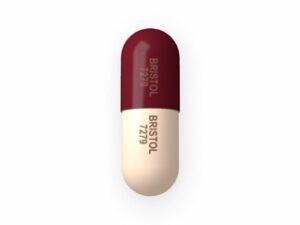

Nitrofurantoin: Patient-Friendly Guide (Australia)
Nitrofurantoin is a commonly used antibacterial medicine for certain urinary tract infections (UTIs). This guide explains what it is, how it works, how the body handles it, how and when it’s typically taken, and what to watch for. It also covers important interactions (including food and alcohol), safety information, practical tips, and alternatives—tailored for people in Australia.
Key product information
- Medicine name: Nitrofurantoin
- Common use: Treating lower UTIs (particularly uncomplicated bladder infections)
- Typical form: Capsules or tablets (formulations may differ in release characteristics)
- Who it’s for: Adults and (in some cases) children, depending on age, weight, and clinical assessment
- Where it acts: Mostly in the urine and lower urinary tract
Brand names and strengths vary by product. Always confirm the strength and instructions on the specific package you receive.
How nitrofurantoin works (mechanism of action)
Nitrofurantoin is an antibacterial agent used mainly for infections of the bladder. It works by being taken up into bacterial cells and then damaging bacterial components that are needed for survival.
The medicine is converted within bacteria into reactive substances that interfere with vital processes (including energy metabolism and other cell functions). This disruption helps stop bacterial growth and can clear the infection.
Because it achieves high activity in urine, it is particularly suited to lower UTIs.
Pharmacokinetics: what happens in the body
Pharmacokinetics describes how the body absorbs, distributes, metabolises, and eliminates a medicine. For nitrofurantoin, the key points are:
- Absorption: Nitrofurantoin is absorbed from the gut. Absorption can improve when taken with food.
- Distribution: It distributes into tissues but is mainly effective where it reaches adequate concentrations—particularly within urine.
- Metabolism: It is partially metabolised in the body; the exact metabolic pathways can vary.
- Elimination: The kidneys play the major role in clearing nitrofurantoin from the body. Adequate kidney function is important for both effectiveness and safety.
In people with reduced kidney function, nitrofurantoin may not reach sufficient urine concentrations to treat the infection and can lead to higher blood levels, which may increase the risk of side effects.
Typical use and indications
Nitrofurantoin is commonly used for infections that involve the lower urinary tract, such as:
- Uncomplicated cystitis (bladder infection)
- Acute uncomplicated UTIs where the likely bacteria are susceptible
- Prevention of recurrent UTIs in selected patients (used under clinician guidance as a longer-term strategy)
It is not usually a first choice for infections outside the bladder (for example, kidney infections). If you have symptoms suggesting a kidney infection, such as fever and flank/back pain, it is important to seek medical advice.
Dosing: what is typical
The exact dose and duration depend on the formulation, your age, kidney function, and the nature of the infection. Your pharmacist or prescriber may tailor these factors.
Common adult regimens (examples; follow your specific product instructions):
- Twice daily dosing for a short course is common for uncomplicated bladder infections.
- Four times daily dosing may be used with some older or immediate-release formulations.
Important: Always follow the directions on the label or supplied instructions. Do not change the dose or stop early without advice, even if you feel better.
| Situation | Typical goal | What to watch |
|---|---|---|
| Uncomplicated lower UTI (bladder) | Clear bacteria in the bladder using urine-active antibiotic levels | Symptoms should start improving within about 48 hours; contact a clinician if not |
| Recurrent UTIs (prevention strategy) | Reduce frequency of future episodes | Long-term use needs monitoring, especially kidney function and side effects |
| Reduced kidney function | Use depends on kidney function and risk/benefit | Effectiveness may drop; side effect risk can rise |
Timing: when and how to take nitrofurantoin
Timing can affect how well you absorb the medicine and how smoothly you can keep to the course. In general:
- Try to take it at evenly spaced times each day (e.g., morning and evening for twice daily dosing).
- Complete the full course even if symptoms improve early.
- If you miss a dose, take it when you remember unless it’s close to the next dose. Do not take a double dose to make up for a missed tablet.
For many people, taking nitrofurantoin with food improves absorption and reduces gastrointestinal upset.
Food interactions: taking with meals
Food can be helpful with nitrofurantoin. Taking it with food may:
- Improve absorption
- Reduce nausea or stomach discomfort
- Help you tolerate the medicine better during the course
Practical tip: If you experience nausea, consider taking it after a meal rather than on an empty stomach, unless your product information says otherwise.
Alcohol and medicine interactions
Nitrofurantoin is not commonly associated with a direct “disulfiram-like” reaction with alcohol. However, alcohol can still affect your recovery and can worsen side effects like nausea, dizziness, or dehydration. If you drink alcohol while you have a UTI, you may feel worse and it can also make it harder to stay well hydrated.
Alcohol: practical guidance
- Consider avoiding alcohol while taking antibiotics and while you’re unwell.
- If you choose to drink, do so in moderation and keep hydration up.
- Stop and seek advice if alcohol-related symptoms or severe side effects occur.
Medicine interactions (examples to discuss with a pharmacist)
Interactions depend on what else you take. It’s important to review your current medicines, including over-the-counter products and supplements.
- Medicines that affect kidney clearance: Because nitrofurantoin relies on kidney function, some medicines that change renal function or urine output may be relevant.
- Antacids and gastrointestinal products: Some preparations can affect absorption for certain antibiotics. Check your specific product guidance and ask your pharmacist if you use antacids.
- Uricosuric agents (such as some gout medicines): These may influence how antibiotics behave in urine depending on kidney handling; confirm details with a pharmacist.
- Other antibiotics: Combining antibiotics isn’t always beneficial and is usually done only for specific reasons.
If you have kidney disease, are taking long-term medicines, or have a complex medical history, ask for a personalised interaction check.
Safety profile: common and serious side effects
Like all medicines, nitrofurantoin can cause side effects. Many people experience none or only mild effects. Still, it’s important to know what to watch for.
Common side effects
- Nausea
- Diarrhoea or loose stools
- Stomach discomfort
- Headache
- Urine colour changes (may be perceived as darker; follow product information if concerned)
Seek urgent medical help if you develop
- Signs of allergic reaction: swelling of the face/lips, breathing difficulty, widespread rash, or hives
- Severe or persistent vomiting (unable to keep fluids down)
- New severe symptoms such as chest pain, severe shortness of breath, or fainting
- Severe watery diarrhoea or diarrhoea with blood/mucus, especially with fever or significant abdominal pain
Rare but important risks
Rare adverse reactions can occur with any antibiotic, including nitrofurantoin. These may include inflammation of the lungs or liver changes, and other effects—risk may increase with older age, long-term use, or certain conditions.
If you develop unexplained cough, shortness of breath, yellowing of the eyes/skin, dark urine, or severe fatigue, contact a clinician promptly.
Who should be extra careful
- People with kidney impairment: effectiveness and safety can be affected.
- Older adults: may be more prone to side effects; monitoring is important.
- Pregnancy: nitrofurantoin may be used in some circumstances for UTIs, but advice depends on trimester and clinical factors.
- Breastfeeding: discuss suitability, especially for premature infants or those with certain conditions.
- History of reaction to nitrofurantoin: avoid if you previously had a serious reaction.
Practical use tips to help your treatment go smoothly
- Hydrate well: Drink fluids as recommended by your general health plan to help relieve bladder irritation and support recovery.
- Don’t “wait too long” if worsening: If symptoms are not improving within about 48 hours, seek advice.
- Use good toileting habits: Avoid holding urine for long periods.
- Complete the course: Even if you feel better, the infection may not be fully cleared.
- Track symptoms: Note fever, back/flank pain, worsening pain, or new symptoms—these can help determine whether a different infection is present.
- Take with food: This may reduce nausea and help absorption.
For recurrent UTIs, prevention strategies often involve more than antibiotics, including lifestyle measures and identifying triggers.
Alternative options for UTIs
The best antibiotic (or non-antibiotic approach) depends on your symptoms, local resistance patterns, allergies, pregnancy status, and kidney function. Your healthcare professional may consider different options such as:
- Trimethoprim-sulfamethoxazole (where appropriate and susceptible)
- Cephalexin or other beta-lactams (depending on suitability and suspected organism)
- Amoxicillin-clavulanate (in selected cases)
- Fosfomycin trometamol (where available and appropriate)
In some situations, clinicians may recommend urine culture testing to confirm the bacteria and its antibiotic susceptibility, particularly if infections recur, symptoms are severe, or first-line treatment fails.
Market and legal context in Australia (high-level)
In Australia, access to antibiotics is regulated to support safe, effective treatment and limit antimicrobial resistance. Nitrofurantoin availability and prescribing requirements depend on the specific product and current regulatory status.
Online pharmacies typically follow Australian rules for pharmacy practice, including patient identification and ensuring appropriate supply processes. If you’re unsure whether a specific product can be provided online, check the listing details and required information at checkout.
Antimicrobial stewardship is a major priority. This means antibiotics should be used when there is a good clinical reason, and the correct duration and dose should be chosen to reduce resistance.
Recent guidance and clinical context
Guidance for UTI management evolves as new research and resistance data become available. In Australia, clinicians commonly consider:
- Distinguishing uncomplicated lower UTIs from more serious or complicated infections
- Local antibiotic resistance patterns
- Urine testing in recurrent cases or if treatment fails
- Minimising unnecessary antibiotic exposure
- Kidney function assessment when relevant for nitrofurantoin
If you’ve had recent antibiotic courses or frequent recurrences, consider asking for tailored advice and whether further testing is appropriate.
Delivery and availability (online pharmacy)
Availability may vary by stock levels and product type (capsules/tablets, strengths, and brands). When ordering online in Australia:
- Check product strength and formulation: Different products may have different dosing schedules.
- Allow processing and delivery time: Times vary by location and courier service.
- Keep medicines in original packaging: Store correctly and protect from excessive heat or moisture.
- Verify delivery details: Ensure your address and contact number are correct to avoid delays.
If you require urgent treatment, contact the pharmacy before ordering to confirm dispatch timing.
Storage and handling
- Store at the temperature stated on the packaging (commonly below 25°C, unless otherwise specified).
- Keep in a dry place away from direct sunlight.
- Keep out of reach of children.
- Do not use after the expiry date on the box or blister.
When to seek medical help urgently
UTIs can occasionally become more serious. Seek urgent medical attention if you have:
- Fever and/or shaking chills
- Back or flank pain (pain in the side/back below the ribs)
- Nausea and vomiting that prevent you from taking medicines or fluids
- Pregnancy with suspected UTI symptoms
- Severe symptoms or rapid worsening
- Blood in urine with significant pain or clots
FAQ: Nitrofurantoin in plain language
1) What is nitrofurantoin used for?
Nitrofurantoin is used to treat certain lower urinary tract infections, most commonly bladder infections (cystitis). It works by concentrating in urine and targeting susceptible bacteria.
2) How soon should I feel better?
Many people notice improvement within 48 hours. If symptoms are not improving, worsen, or you develop fever or back pain, contact a clinician promptly.
3) Can I take nitrofurantoin with food?
Often, yes—and it may help absorption and reduce nausea. Follow your specific product instructions; if unsure, ask your pharmacist.
4) Is it safe to drink alcohol with nitrofurantoin?
There is no universally required “avoid completely” rule, but alcohol can worsen side effects and interfere with recovery. It’s generally best to avoid alcohol during treatment and to stay well hydrated.
5) What if I miss a dose?
Take it when you remember unless it’s close to the next dose. Do not double up to catch up.
6) Can nitrofurantoin be used if I have kidney problems?
Kidney function matters for nitrofurantoin. In some people with reduced kidney function, it may be less effective or less suitable. Ask your pharmacist or clinician if you have known kidney disease or reduced kidney function.
7) Are there foods or drinks that interact with nitrofurantoin?
Food is generally helpful for absorption. There are no common food “must avoid” lists for nitrofurantoin, but maintaining hydration is important. If you take special diets or supplements, check with a pharmacist if you’re concerned.
8) Does nitrofurantoin treat kidney infections?
Nitrofurantoin is designed for activity in urine and lower UTIs. Kidney infections (pyelonephritis) typically require different management. If you have fever and flank/back pain, seek urgent medical advice.
9) What side effects are most common?
Common side effects include nausea, stomach discomfort, headache, and diarrhoea. If side effects become severe or you develop signs of allergy, seek medical attention.
10) What are the signs of an allergic reaction?
Seek urgent help if you experience swelling of the face/lips, difficulty breathing, widespread rash, or hives.
11) Can I stop nitrofurantoin early if I feel better?
It’s best to complete the full course unless you’re advised otherwise. Stopping early can increase the chance of symptoms returning and may contribute to resistance.
12) What alternatives might be considered?
Depending on the situation, clinicians may consider other antibiotics (or different testing strategies) based on likely bacteria, allergy history, and local resistance patterns.
Important note
This information is intended to help you understand nitrofurantoin and prepare for safe use. It does not replace personalised advice. If you have questions about your specific condition, other medicines, pregnancy/breastfeeding, or kidney function, speak with a qualified healthcare professional.