

Dapsone (Diaminodiphenyl sulfone) – Patient Information
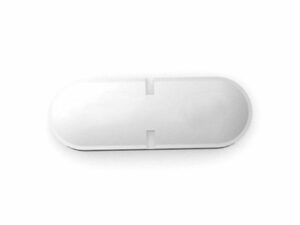
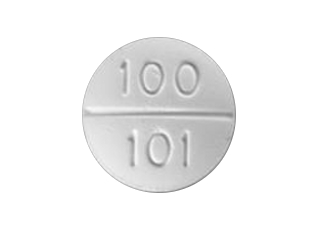
Dapsone, also known by its generic name diaminodiphenyl sulfone and commonly associated with the brand name Diaminodiphenyl sulfone (including products marketed as Dapsone), is a medicine used in a range of conditions where its antimicrobial and anti-inflammatory effects are helpful. In Australia, it is typically supplied as tablets.
This guide is designed to be patient-friendly and provides practical information about how Dapsone works, how it is used, and important safety considerations. Always follow the instructions provided by your healthcare professional and the product label.
Basic product information
- Medicine name: Dapsone (diaminodiphenyl sulfone)
- How it is supplied: Usually tablets (strengths vary by product)
- Common uses: Certain skin conditions (including leprosy-related reactions), some bacterial infections, and specific infectious/inflammatory conditions as directed
- Classification (general): Antimicrobial and anti-inflammatory medicine (with important safety monitoring needs)
Availability and brand names can vary across suppliers. If you are unsure about your specific product strength or dosing schedule, check the packaging or ask your pharmacist.
How Dapsone works (mechanism of action)
Dapsone is best known for its ability to inhibit certain microorganisms. Its activity is closely linked to its effects on folate pathways in susceptible organisms and to its ability to interfere with enzymes involved in microbial survival. Additionally, Dapsone’s anti-inflammatory properties help reduce harmful immune activity in some conditions.
The exact mechanism can vary depending on the condition being treated. In many dermatologic and infectious uses, Dapsone works both by:
- Targeting susceptible organisms to reduce infection
- Modulating inflammatory responses that contribute to symptoms
Pharmacokinetics (how the body handles Dapsone)
“Pharmacokinetics” describes what the body does to a medicine—how it absorbs, distributes, metabolises, and eliminates it. Dapsone has characteristics that influence dosing intervals and the need for monitoring.
- Absorption: Dapsone is absorbed after oral dosing. Food may affect the speed of absorption but usually does not prevent absorption.
- Distribution: It distributes throughout body tissues, including skin and blood components.
- Metabolism: Dapsone is metabolised mainly in the liver.
- Elimination: Dapsone is cleared from the body gradually. A long half-life means it can remain in the system for some time after dosing changes.
Because metabolism and breakdown products can affect blood and other systems, monitoring (particularly blood counts) is important.
Typical use and timing
Dapsone is used in conditions where its antimicrobial/anti-inflammatory effects are beneficial. Depending on the condition, it may be prescribed:
- Daily for ongoing suppression of disease
- In combination with other medicines (common in certain infections)
- For longer courses in chronic conditions
Timing can vary from once daily to divided dosing based on your regimen. In many cases, it is taken at approximately the same time each day. If you forget a dose, seek advice from your pharmacist or follow the written directions on your label.
Indications (common reasons Dapsone may be used)
Indications can vary with local prescribing practices. In general, Dapsone has been used for:
- Leprosy (Hansen’s disease) as part of multi-drug regimens
- Dermatological conditions where Dapsone’s anti-inflammatory effects can help (for example, some forms of blistering or hypersensitivity-related disorders as determined by specialists)
- Some bacterial infections or situations where Dapsone is considered appropriate based on organism sensitivity
Your doctor will match Dapsone to your specific diagnosis and consider your health background, concurrent medicines, and monitoring needs.
Dosing guidance (general information)
Dosing must be individualised. The following information is general and may not match your prescription. Always follow your label and professional advice.
- Adults: Doses vary widely by condition and severity.
- Children: Dosing is usually weight-based and should be determined by a clinician.
- Starting doses: Some regimens start lower to improve tolerability and allow monitoring for side effects.
- Adjustment: Blood tests and clinical response may guide changes.
Important: Do not change your dose or stop suddenly without advice. If you experience new symptoms such as unusual fatigue, breathlessness, rash, fever, or jaundice, contact a healthcare professional promptly.
How to take Dapsone (practical use tips)
- Take at the same time each day to maintain steady levels.
- Swallow whole with water. If your product has special instructions (e.g., breaking or crushing tablets), follow the label.
- Do not stop early if you feel better—completion of a course may be important depending on diagnosis.
- Keep monitoring appointments (blood tests are a key safety step).
- Watch for warning signs (see “Safety profile”).
If you have difficulty swallowing tablets, speak with your pharmacist about possible options for your specific product presentation.
Food interactions and timing with meals
Food effects are often less important with Dapsone than with some other medicines, but it can still influence how quickly it is absorbed. For many patients, Dapsone can be taken with or without food. If nausea occurs, taking with food may improve comfort.
- General approach: Follow the directions on your label (with or without food).
- If you get stomach upset: Consider taking it with food and speak to your pharmacist if symptoms persist.
If you are taking other medicines, keep timing consistent—especially for medicines that also affect blood counts or the liver.
Alcohol and medicine interactions
Dapsone can affect the blood and liver, and alcohol may add extra strain on the liver or worsen side effects such as dizziness or nausea. For this reason, it is generally advised to be cautious with alcohol.
- Alcohol: If you choose to drink, do so sparingly and discuss with your clinician—particularly if you have liver problems.
- Blood-related risks: Avoid unnecessary substances that may increase oxidative stress, especially if you are at higher risk for blood disorders.
- Drug interactions: Always tell your pharmacist about all medicines and supplements you use.
Because Dapsone has important safety considerations, even “common” medicines can matter. A medication review is recommended.
Medicine interactions (important considerations)
Dapsone can interact with other medicines, increasing the risk of side effects or changing how either medicine works. Interactions are condition- and dose-dependent.
Discuss especially if you take medicines for:
- Blood disorders or treatments that can affect red blood cells
- Infections (including antibiotics or other antimicrobials)
- Inflammation and immune conditions
- Liver-related conditions or medicines known to affect liver enzymes
- Seizures or other long-term neurologic medications
Your pharmacist can check for specific interactions with your exact products and strengths.
Safety profile (what to know before and during treatment)
Dapsone can be very effective, but it has a safety profile that requires awareness and regular monitoring. The most important potential risks relate to blood changes and (less commonly) liver and skin reactions.
Common or notable risks
- Haemolysis (red blood cell breakdown): This can lead to anaemia and may be more likely in people with certain genetic factors or existing blood conditions. Symptoms may include unusual tiredness, pale skin, dizziness, or shortness of breath.
- Methemoglobinaemia: This can reduce oxygen delivery. Warning signs include shortness of breath, fatigue, headache, dizziness, bluish/greyish lips or skin, or chest discomfort.
- Skin reactions: Rash can occur. Seek urgent help if you develop widespread rash, blistering, peeling skin, facial swelling, or breathing problems.
- Liver effects: Seek prompt medical advice if you notice yellowing of the eyes/skin (jaundice), dark urine, severe nausea/vomiting, or right upper abdominal pain.
- Blood cell changes: Dapsone may affect other blood cell lines (e.g., white blood cells and platelets). This is one reason blood tests are important.
Seek urgent care if you notice any of the following
- Difficulty breathing, chest pain, or persistent severe shortness of breath
- Swelling of the face or throat, or trouble swallowing or breathing
- Rash with blistering, peeling skin, or sores in the mouth
- Fainting, severe weakness, or signs of severe anaemia
- Yellowing of the eyes/skin or dark urine
- High fever, severe chills, or symptoms that rapidly worsen
Monitoring (what your healthcare professional may check)
Monitoring schedules vary depending on diagnosis, baseline health, dose, and duration. Common monitoring may include:
- Full blood count (haemoglobin, white cells, platelets)
- Liver function tests
- Clinical assessments for rash, breathlessness, fatigue, and other adverse effects
- Additional tests if risk factors are identified (for example, assessment for predisposition to haemolysis)
If you miss monitoring tests, do not “wait it out”—contact your clinician or pharmacist to reschedule.
Who should take extra care?
Extra caution may be needed if you have:
- History of blood disorders or prior reactions to Dapsone/related medicines
- Liver disease or abnormal liver tests
- Glucose-6-phosphate dehydrogenase (G6PD) deficiency or other known susceptibility to haemolysis
- Known allergy to sulfone medicines
- Multiple medicines that can affect the liver or blood
A medication review before starting can help reduce risks.
Alternative options
Alternatives depend on the condition being treated. In infectious and dermatologic uses, clinicians may consider different classes of medicines, such as:
- Other antimicrobial agents for infection-related indications
- Different anti-inflammatory or immunomodulating treatments for certain skin or inflammatory disorders
- Multi-drug regimens where Dapsone is one component
If Dapsone isn’t suitable due to side effects, interactions, or effectiveness, discuss options with your healthcare professional. Never stop Dapsone abruptly without guidance, especially for long-term disease management.
Market and legal context for Australia
In Australia, medicines are regulated under the Therapeutic Goods Administration (TGA) and classified based on risk. Supply requirements vary by product and strength, and some medicines may only be provided under specific prescribing and dispensing arrangements.
Availability and eligibility can change over time. A licensed Australian pharmacy will supply Dapsone according to the relevant regulations, ensuring appropriate patient screening, counselling, and safety checks.
If you are ordering online, ensure you select a reputable Australian-licensed pharmacy and confirm that the product is:
- Supplied by a legitimate provider
- Appropriate for your country
- Stored and shipped according to pharmaceutical handling standards
- Supported by correct documentation and labelling
Recent guidance (how practice may evolve)
Clinical guidance can update as new evidence becomes available, including recommendations about monitoring frequency, dosing adjustments, and how clinicians manage blood-related adverse effects. For example, practice commonly emphasises:
- Baseline risk assessment for blood disorders and liver disease where relevant
- Regular blood monitoring to detect early changes
- Early recognition of serious reactions (skin, liver, blood oxygen issues)
- Medication interaction checks before and during therapy
Your pharmacist can share product-specific advice and remind you what monitoring is recommended for your situation.
Delivery and availability (online pharmacy considerations in Australia)
Many Australian pharmacies offer home delivery of medicines. Delivery availability may depend on stock levels, prescription/dispensing rules, your location, and medication handling requirements.
- Stock availability: Some products may be kept in regular stock; others may require sourcing.
- Packaging: Dapsone should arrive in original packaging with clear labelling and expiry dates.
- Temperature: Follow any storage instructions on the label. If the label indicates specific conditions, ensure safe storage on arrival.
- Delivery timeframes: Vary by supplier and postcode; check estimated delivery at checkout.
If your medicine is urgent, contact the pharmacy directly before ordering to confirm dispatch timelines.
FAQ
1) What is Dapsone used for?
Dapsone is used for specific infectious and dermatologic conditions where its antimicrobial and anti-inflammatory effects are helpful. The exact reason you are taking it depends on your diagnosis and treatment plan.
2) How long does Dapsone take to work?
Some people notice symptom improvement within days, while other conditions may take weeks. Because Dapsone has a long half-life and targets both infection and inflammation in some diseases, improvement can be gradual. Follow your clinician’s expectations for your condition.
3) Should I take Dapsone with food?
Many patients can take Dapsone with or without food. If you experience nausea or stomach upset, taking it with food may help. Always follow your label instructions.
4) What blood tests are important while taking Dapsone?
Common monitoring includes a full blood count and liver function tests. The exact schedule varies depending on your baseline health and how long you are taking Dapsone.
5) What are the early signs of a serious reaction?
Seek urgent medical advice if you develop breathing difficulty, severe rash with blistering, yellowing of the skin/eyes, severe weakness, or bluish lips/skin. If symptoms worsen quickly, do not wait.
6) Can I drink alcohol while taking Dapsone?
It’s best to be cautious. Alcohol may increase the burden on the liver and can worsen side effects. If you want to drink, discuss with your healthcare professional, particularly if you have liver problems.
7) Can other medicines interact with Dapsone?
Yes. Dapsone can interact with other medicines, potentially affecting blood or liver safety. Tell your pharmacist about all medicines, including supplements and herbal products, before starting and during treatment.
8) What should I do if I miss a dose?
If you miss a dose, take it as soon as you remember unless it’s close to the next dose. If it’s almost time for the next dose, skip the missed dose. Do not double up. For individual advice, contact your pharmacist.
9) Can I stop Dapsone if I feel better?
Do not stop without advice. For chronic conditions or infection-related regimens, stopping early can lead to relapse or complications. If side effects occur, contact a healthcare professional promptly rather than stopping on your own.
10) Are there alternatives if Dapsone is not suitable?
Yes—alternatives exist, but they depend on the condition being treated and your medical history. Your clinician or pharmacist can discuss the most appropriate options.
Summary
Dapsone (diaminodiphenyl sulfone) is a medicine used for certain infections and dermatologic conditions, where antimicrobial and anti-inflammatory actions can provide benefit. Because it can affect blood cells and the liver, safe use depends on awareness of warning signs and regular monitoring. Always follow dosing instructions on your label, keep appointments for blood tests, and speak with your healthcare professional if you have concerns or experience side effects.