Propecia (Finasteride) – Patient-Friendly Guide (Australia)
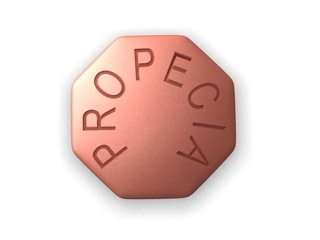
Propecia is a brand of finasteride, a medicine used to treat specific hair-related and prostate-related conditions. If you’re considering Propecia, it can help to understand how it works, how it’s taken, what to expect, and what to discuss with a healthcare professional—especially regarding safety, interactions, and monitoring.
This guide is written for people in Australia and is intended to be general information to help you make informed decisions about treatment.
Quick Facts
- Active ingredient: Finasteride
- Common form: Oral tablets
- Typical strength (hair loss use): 1 mg daily (Propecia)
- Common purpose: Androgenetic alopecia (male pattern hair loss)
- How long it takes to notice results: Often 3–6 months; maximum benefit may take 12 months or more
- Not for: Use by women, especially those who are or may become pregnant
Basic Product Information
| Category | Information |
|---|---|
| Medicine name | Propecia (Finasteride) |
| Medicine type | 5-alpha-reductase inhibitor |
| Common dosing for hair loss | 1 mg once daily (oral) |
| Main target | Reduces conversion of testosterone to DHT (dihydrotestosterone) |
| Availability | Available via pharmacy supply arrangements in Australia depending on status and prescribing/dispensing requirements |
How Propecia Works (Mechanism of Action)
Finasteride works by blocking an enzyme called 5-alpha-reductase. This enzyme converts testosterone into dihydrotestosterone (DHT). In people with androgenetic alopecia, DHT plays a key role in shrinking hair follicles and shortening the hair growth cycle.
By lowering DHT levels, Propecia can:
- Slow the miniaturisation of hair follicles
- Help maintain existing hair
- Support regrowth in some men
Important: Propecia doesn’t “create” hair instantly. Hair growth typically improves gradually as the hair follicle cycle changes.
Pharmacokinetics (How the Body Handles Finasteride)
Pharmacokinetics describes how a medicine is absorbed, distributed, metabolised, and eliminated.
- Absorption: Finasteride is absorbed after oral dosing.
- Distribution: It distributes throughout the body, including tissues affected by DHT.
- Metabolism: Finasteride is metabolised primarily in the liver.
- Elimination: The medicine and its metabolites are eliminated mainly via the bile/ faecal route, with some urinary excretion.
- Half-life: Finasteride has a relatively long half-life, which supports once-daily dosing.
Note: Exact numerical values may vary by study and individual factors. Your pharmacist or prescriber can provide product-specific details from the approved Australian information resources.
Typical Uses and Indications
1) Male Pattern Hair Loss (Androgenetic Alopecia)
Propecia (finasteride 1 mg) is used to treat androgenetic alopecia in men. It may:
- Reduce further hair thinning
- Increase hair counts in some individuals
- Improve overall hair appearance over time
2) Prostate-Related Uses (Different Dose)
Finasteride is also used for benign prostatic hyperplasia (BPH) at different strengths under other brand names and treatment regimens. The hair-loss dose (Propecia 1 mg) is not the same as BPH dosing.
Be sure you are using the correct product strength for your intended condition.
Dose and Timing
Typical Dosing (Hair Loss)
- Common dose: 1 mg once daily
- How to take: Swallow the tablet whole with water
When to Take It
You can take Propecia at any time of day. Many people choose the same time daily to build a routine.
- Consistency matters: Try not to miss doses.
- If you forget a dose: Take it when you remember on the same day. If it’s close to the next dose, skip the missed dose and resume your usual schedule.
- Do not double up: Avoid taking two doses at once.
How Soon Will It Work?
Timeline expectations are important:
- First noticeable changes: usually after 3–6 months
- More meaningful improvement: often around 6–12 months
- Longer-term benefit: continues with ongoing use for those who respond
Temporary shedding: Some men experience increased shedding early in treatment. This does not always mean the medicine isn’t working; it may reflect a change in hair cycle. Discuss persistent concerns with a healthcare professional.
Food Interactions
Finasteride can generally be taken with or without food. Food is not expected to significantly affect the medicine’s effectiveness for most people.
To reduce stomach discomfort for sensitive individuals, taking Propecia with a meal or snack may be helpful, though this is not required.
Alcohol and Medicine Interactions
Alcohol
There is no widely recognised “must-avoid” alcohol interaction with finasteride for most people. However, alcohol can affect overall health, adherence, and liver function in heavy use.
- Moderation is advised: If you drink, consider limiting intake.
- Watch for side effects: If you notice new dizziness, mood changes, or other unusual symptoms, seek advice.
Other Medicines (Interactions)
Propecia is metabolised in the liver. Certain medicines that strongly affect liver enzymes could potentially alter finasteride levels.
Tell your pharmacist or healthcare professional about all medicines you use, including:
- Prescription medicines
- Over-the-counter medicines
- Herbal products and supplements (especially those affecting liver enzymes)
Common interaction considerations:
- Hormonal therapies: Discuss any testosterone, anabolic steroid, or hormone replacement therapy.
- Prostate medications: Finasteride affects DHT and can change laboratory results (see PSA below).
- Liver concerns: If you have liver disease, it’s important to get personalised guidance.
If you’re unsure whether a medicine or supplement you plan to take could interact, ask before starting Propecia.
Safety Profile and Important Warnings
Most people tolerate finasteride well, but all medicines have potential side effects. The balance of benefit and risk depends on your personal health situation.
Common Side Effects
- Sexual side effects such as reduced libido
- Erectile dysfunction (difficulty achieving or maintaining an erection)
- Reduced ejaculate volume or changes in semen
- Breast tenderness or enlargement (less common)
- Rash or other mild skin reactions (uncommon)
Less Common but Serious Risks (Seek Advice Promptly)
- Allergic reactions: swelling of face/lips, difficulty breathing, severe rash—seek urgent medical help.
- Mood changes: persistent depression, anxiety, or unusual mood symptoms should be discussed promptly.
- Breast lumps or discharge: get medical review promptly.
- Pregnancy exposure risk: women who are pregnant or may become pregnant must avoid contact with crushed or broken tablets (see below).
PSA (Prostate-Specific Antigen) Blood Test Changes
Finasteride can lower PSA levels. This matters for men who undergo prostate monitoring. Your clinician may interpret PSA tests differently when you are taking finasteride.
- Always inform healthcare providers that you take finasteride.
- Do not interpret PSA results without considering medication effects.
Pregnancy and Handling Precautions
Finasteride can be harmful to a developing male foetus. To reduce risk:
- Do not handle broken/crushed tablets if you are pregnant or may become pregnant.
- Keep tablets in their original packaging.
- Women of childbearing potential should follow local pharmacy guidance and avoid unnecessary exposure.
Practical Use Tips for Best Results
- Use consistently: Take Propecia daily; skipping doses can reduce the chance of benefit.
- Give it time: Evaluate progress after several months, not days or weeks.
- Track changes: Consider monthly progress photos and hair count/appearance notes under similar lighting.
- Don’t change dose without advice: More is not necessarily better and may increase risk.
- Consider a complete hair routine: Many people combine finasteride with topical treatments (for example, minoxidil) as advised by a clinician.
- Be realistic about expectations: Propecia aims to stabilise and improve hair quality and density; it may not restore hair to a completely pre-loss state.
Alternative Options (What Else Might Help)
Depending on your pattern of hair loss and personal preferences, alternative treatments may be considered. Options include:
- Topical minoxidil (commonly used to support hair growth)
- Low-level laser therapy devices (some people use these alongside medications)
- Hair transplantation (for selected candidates)
- Scalp care and lifestyle measures (may support overall hair health)
- Other hair-loss medicines where appropriate and available
Which alternative is best? That depends on your age, degree of hair thinning, medical history, and goals. A healthcare professional can help tailor an approach.
Australia Market & Legal/Regulatory Context
In Australia, medicines are regulated through the Therapeutic Goods Administration (TGA) and may have specific requirements for supply, including classification, prescribing status, and pharmacy dispensing rules.
Availability can vary by product formulation, strength, and the local dispensing pathway. Online pharmacies in Australia generally supply medicines in line with Australian regulations and may require appropriate patient assessment and documentation before supply.
Key points for customers:
- Supply is subject to Australian medicines law and pharmacy processes.
- You should ensure you are receiving the correct medicine and strength for your condition.
- Always follow the instructions provided by the dispensing pharmacy and any healthcare professional involved in your care.
Recent Guidance and Ongoing Monitoring (General)
Because hair-loss medicines can have important safety considerations, guidance commonly emphasises:
- Appropriate patient selection: Confirm diagnosis and whether finasteride is suitable.
- Baseline health considerations: Discuss liver issues, mental health history, sexual health concerns, and any existing medication regimen.
- Monitoring and follow-up: Regular review of side effects and treatment response (often using photos/notes).
- PSA awareness: For men at risk of prostate disease, inform clinicians about finasteride use.
Always check: The most up-to-date product information and local pharmacy guidance before starting.
Delivery and Availability (Australia)
Online pharmacies in Australia typically offer home delivery for eligible products. Availability can depend on stock levels, packaging format, and the required verification steps.
When ordering, you can usually expect:
- Secure packaging for tablet products
- Tracking updates for shipped orders (where available)
- Delivery to Australian addresses as supported by the pharmacy’s logistics
Advice: If you have a tight timeframe, check estimated delivery times at checkout and keep an eye on tracking notifications.
FAQ – Propecia (Finasteride)
1) Is Propecia suitable for women?
Propecia (finasteride 1 mg) is intended for specific conditions in men. Women—particularly those who are pregnant or may become pregnant—must avoid exposure because finasteride can harm a developing male foetus. If you are female or of childbearing potential, seek medical guidance before considering finasteride.
2) How long does it take to see results?
Many people notice changes after 3–6 months. More consistent benefit can take 6–12 months or longer. Hair growth is gradual, and continuing treatment is often necessary for ongoing benefit.
3) Can I take Propecia with food?
Yes. Propecia can generally be taken with or without food. Choose what suits your routine and helps adherence.
4) What if I miss a dose?
If you remember the same day, take it then. If it’s near your next dose, skip the missed one and continue your usual schedule. Do not take two doses together.
5) Will Propecia stop hair loss immediately?
Propecia typically works gradually by changing the hair follicle cycle and reducing DHT. It may help slow hair thinning and support stabilisation over time rather than producing instant results.
6) Are there sexual side effects?
Some men may experience sexual side effects such as reduced libido, erectile dysfunction, or changes in ejaculate volume. If you develop bothersome symptoms, discuss them with a healthcare professional promptly.
7) Does Propecia affect PSA blood tests?
Yes. Finasteride can lower PSA levels, which can affect how test results are interpreted. Inform clinicians that you take finasteride before any PSA testing.
8) Can I drink alcohol while taking Propecia?
Moderate alcohol use is not generally associated with a direct interaction, but heavy alcohol consumption can affect overall health and liver function. If you have concerns, talk to your pharmacist or clinician.
9) What medicines and supplements should I avoid?
There is no single universal “avoid list,” but it’s important to inform your pharmacist about all medicines and supplements you take. Finasteride is metabolised in the liver, so discussing your full medication list helps ensure safe use.
10) What should I do if I become concerned about side effects?
Contact a healthcare professional. For allergic reactions (such as swelling or breathing difficulty) seek urgent medical care.
When to Seek Medical Advice
Speak with a healthcare professional if you experience:
- New or persistent sexual side effects that distress you
- Symptoms of depression or significant mood changes
- Breast lumps, nipple discharge, or significant breast tenderness
- Any signs of allergy (rash, swelling, trouble breathing)
- Uncertainty about your suitability for treatment or how to interpret PSA results
Summary
Propecia (finasteride) is an oral medicine that reduces DHT by inhibiting 5-alpha-reductase. For eligible men with androgenetic alopecia, it can help slow hair loss and support regrowth for many users over time. Results typically build over months, and consistent daily use is important. Like all medicines, finasteride can cause side effects in some individuals, and special handling precautions apply to pregnant people.
If you’d like, you can share your age, pattern of hair loss, and any current medicines (or medical conditions) with a healthcare professional or pharmacist to help you make a safe, informed choice.