
Fosamax (Alendronate) — Patient-Friendly Guide (Australia)
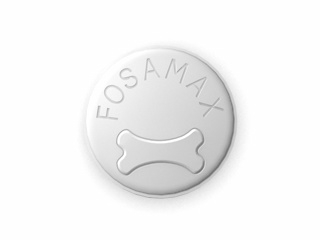
Fosamax contains alendronate, a bisphosphonate medicine used to strengthen bones and reduce the risk of fractures. This guide explains how Fosamax works, how to take it, common precautions, possible side effects, and what to discuss with a healthcare professional. It is written for an Australian audience and includes practical tips to help you use the medicine safely and effectively.
Basic product information
Medicine: Fosamax
Active ingredient: Alendronate (bisphosphonate)
Common strengths: Often available as tablets such as 70 mg weekly (varies by product/brand pack)
Drug class: Antiresorptive (reduces bone breakdown)
Where it is used: Australia (availability may vary by pharmacy and current supply)
Important: Always check your specific pack for the exact strength and directions. Different regimens exist (weekly or daily), and the timing instructions are critical for safety.
How Fosamax works (mechanism of action)
Alendronate belongs to the bisphosphonate family. It works by slowing bone breakdown. More specifically, it binds to bone mineral and is taken up by bone-resorbing cells called osteoclasts.
- Reduces osteoclast activity and limits bone resorption.
- Helps preserve bone density and improves bone strength.
- Lowers fracture risk, particularly vertebral (spine) and hip fractures.
Fosamax does not “build bone” directly like some anabolic treatments. Instead, by reducing bone loss, your body can maintain or gradually improve bone strength over time.
Pharmacokinetics (how the body handles alendronate)
Understanding pharmacokinetics helps explain the strict administration rules (especially taking it with water and on an empty stomach).
- Absorption: Alendronate is absorbed in small amounts. Food (including coffee, milk, and some supplements) can greatly reduce absorption.
- Distribution: Most of the absorbed medicine binds to bone tissue and remains there, contributing to its long-lasting effect.
- Metabolism: Alendronate is not meaningfully metabolised by the liver.
- Elimination: It is cleared largely through the kidneys. Some remains in bone for a prolonged period due to slow release from bone stores.
Why this matters: Because absorption is sensitive, the timing with meals and drinks is essential to ensure the medicine works as intended and to minimise side effects related to the oesophagus.
Typical use in Australia
Fosamax is commonly used to prevent and treat conditions where bones become weaker. It is most frequently prescribed for osteoporosis in postmenopausal women and in other groups at increased fracture risk.
It may also be used in certain situations involving bone loss or steroid-related bone thinning. Your exact indication and dose depend on your clinical history and risk profile.
Indications (what Fosamax is used for)
In Australia, alendronate is used for several bone-related conditions, including:
- Osteoporosis in postmenopausal women to reduce the risk of:
- vertebral fractures
- hip fractures
- other fractures
- Male osteoporosis to reduce fracture risk (where indicated)
- Glucocorticoid-induced osteoporosis (bone thinning caused by long-term corticosteroid use) in people at increased risk of fracture
- Paget’s disease of bone in adults (in certain settings, depending on the product regimen available)
Note: Specific indications vary by local prescribing practices, patient criteria, and product formulation. Your pharmacist can help you confirm what your pack is intended for.
Dosing and timing (how to take Fosamax safely)
Correct timing is critical. The medicine should be taken to maximise absorption and to help prevent irritation of the oesophagus (the tube carrying food from the mouth to the stomach).
General timing rules
- Take on an empty stomach with a full glass of plain water.
- Take first thing in the morning or at least 30 minutes before food, drink, or other medicines.
- Use plain water only (not coffee, tea, milk, juice, or sparkling water).
- Do not lie down for at least 30 minutes after taking your tablet.
- Swallow whole with a full glass of water—do not crush or chew unless your specific product instructions say otherwise.
Weekly dosing versus daily dosing
Many Fosamax regimens are taken once weekly. Some people take once daily regimens depending on the prescribed product and indication.
- Weekly: Choose a day of the week that fits your routine. Take the tablet consistently on that day.
- Daily: Take at the same time each day, following the empty-stomach and water rules.
If you miss a dose: Follow the instructions on your pack or the directions provided by your healthcare professional. In general, missed doses of weekly therapy often require specific guidance depending on how close you are to the next scheduled dose. If you are unsure, ask your pharmacist.
How long does it take to work?
Bone changes occur gradually. Many people start to see improvement in bone density over months, but fracture risk reduction takes time. Long-term adherence is often important.
Food interactions (what to avoid)
Food can significantly reduce how much alendronate your body absorbs. To avoid reducing effectiveness, take Fosamax:
- At least 30 minutes before eating or drinking anything other than plain water
- After you have waited the recommended time, you can have breakfast and other medicines as directed
Common items that can interfere include:
- food (including cereals, bread, and fruit)
- milk and calcium-containing drinks
- coffee and tea
- mineral waters with high mineral content
- supplements taken close to the dose
Calcium, vitamin D, and supplements
Many osteoporosis treatment plans include calcium and vitamin D to support bone health. However, you should:
- take supplements at a time that does not interfere with Fosamax absorption
- follow a schedule recommended by your healthcare professional
Practical example: If you take Fosamax in the morning, you may take calcium later in the day with food—but confirm your personal plan.
Alcohol interactions
Alcohol does not generally have a direct chemical interaction with alendronate similar to food absorption. However, heavy or frequent alcohol use may contribute to bone loss and increased fall risk, which can worsen fracture risk.
- Moderate alcohol is usually not a strict contraindication, but your overall alcohol intake matters for bone health.
- If you have concerns about alcohol use, fractures, or balance problems, discuss this with your pharmacist or doctor.
Medicine interactions (key examples)
Some medicines can interfere with absorption of Fosamax or increase the risk of side effects. Always tell your pharmacist about:
- all prescription medicines
- over-the-counter products
- herbal products
- vitamins/minerals (especially calcium, iron, and magnesium)
Medicines/supplements most likely to interfere with absorption:
- Calcium supplements
- Antacids (aluminium/magnesium-containing)
- Iron supplements
- Magnesium-containing supplements
General rule: Keep supplements and interfering medicines separated from your Fosamax dose by the recommended time window. Your pharmacist can help create a schedule.
Oesophagus irritation risk: Medicines that irritate the oesophagus (or taking Fosamax incorrectly) can increase the chance of symptoms such as heartburn, burning, or difficulty swallowing. Your pharmacist can advise if you take medications that may also affect the oesophagus.
Kidney function: If you have significant kidney impairment, your healthcare professional may adjust the plan. Alendronate is cleared by the kidneys, and suitability depends on your renal function.
Safety profile and side effects
Most people tolerate Fosamax well when taken correctly. However, as with any medicine, there are potential side effects and important precautions.
Common side effects
- nausea
- abdominal discomfort or indigestion
- heartburn or reflux symptoms
- headache
- muscle or joint aches (some people experience “flu-like” aches, especially early in treatment)
Serious but uncommon risks (seek prompt medical advice)
- Oesophageal problems (e.g., trouble swallowing, chest pain, worsening heartburn). This risk increases if instructions are not followed (not enough water, lying down too soon, taking with food).
- Osteonecrosis of the jaw (ONJ): a rare condition involving jaw bone. Risk may be increased by invasive dental procedures, poor oral health, cancer treatments, smoking, and some other medicines. Let your dentist know you take alendronate.
- Femur (thigh bone) atypical fractures: very rare stress fractures can occur with long-term use. Seek advice if you develop new pain in the thigh, hip, or groin.
- Severe allergic reactions: seek urgent help if you develop swelling of the face/lips or breathing difficulty.
- Low calcium levels (hypocalcaemia), especially if vitamin D deficiency or certain conditions are present. Your healthcare professional may assess calcium/vitamin D before starting.
When to seek urgent care: chest pain, severe swallowing pain, vomiting blood/black stools, or severe allergic symptoms require urgent medical attention.
Practical use tips for best results
- Set a reminder for your weekly or daily dose so you don’t miss it.
- Use plain water only and drink a full glass (not just a few sips).
- Plan your morning routine: take the tablet and remain upright (sitting/standing) until the recommended time has passed.
- Don’t take it with other drinks: coffee, tea, juice, milk, or mineral water can reduce absorption.
- Check your schedule for supplements: calcium, magnesium, and iron are common culprits for reducing absorption if taken too close to Fosamax.
- Maintain good dental hygiene: brush, floss, and schedule dental check-ups.
- Discuss dental procedures: if you need extractions or implants, speak to your dentist and healthcare professional beforehand.
- Stay active and safe: gentle weight-bearing exercise and fall prevention strategies complement medication therapy.
Duration of treatment and follow-up
Osteoporosis treatment often continues for years, but the best duration varies by individual risk. Clinicians may reassess fracture risk periodically and consider:
- bone mineral density testing (e.g., DXA scans)
- changes in age, risk factors, and fracture history
- treatment tolerance and side effects
Your pharmacist can explain what to expect regarding monitoring and follow-up based on your situation.
Alternative options (if Fosamax isn’t suitable)
There are several other treatments for osteoporosis and bone conditions. Alternatives may include:
- Other bisphosphonates (some are taken weekly or monthly; administration requirements may differ).
- Denosumab (an injection; dosing occurs at set intervals).
- Anabolic therapies (e.g., medications that stimulate bone formation) in selected patients with high fracture risk.
- Hormone-related therapies in appropriate patients, depending on individual risk factors.
Choice depends on your diagnosis, severity, kidney function, risk profile, tolerance of administration, and personal preference. Speak with a healthcare professional to determine the best option.
Market and legal context for Australia
In Australia, medicines containing alendronate are regulated under the national framework for therapeutic goods. Pharmacy supply and patient counselling requirements exist to help ensure safe use, particularly because the tablet must be taken with strict timing and posture instructions to reduce oesophageal risk.
Availability: Fosamax may be supplied by community pharmacies and via online pharmacy services where permitted. Availability can vary due to manufacturing or supply changes. If a specific strength or brand is temporarily unavailable, a pharmacy may offer an alternative bisphosphonate option or arrange restocking.
Patient information: Australian pharmacies provide counselling on safe administration, interactions, and monitoring recommendations for osteoporosis.
Recent guidance and evolving precautions
Osteoporosis treatment guidance in Australia and internationally has continued to emphasise:
- Correct administration to reduce oesophageal injury.
- Assessing calcium and vitamin D status before starting therapy, particularly in people with risk factors for low calcium.
- Dental risk awareness for rare osteonecrosis of the jaw, with a focus on good oral health and informing dental professionals.
- Individualised treatment review over time, especially with long-term bisphosphonate use.
Guidelines may update as new safety and effectiveness data becomes available. Your pharmacist can provide information that reflects current product directions and widely used clinical practices.
Delivery and availability (online pharmacy)
When ordering Fosamax online in Australia:
- Delivery timeframe depends on your postcode and local courier arrangements.
- Product packaging will include consumer medication information (CMI) and directions specific to your strength.
- Stock availability can vary; substitutions are typically only made in line with pharmacy processes and patient needs.
- Discreet packaging is commonly used for online orders.
Storage: Keep tablets in a cool, dry place at room temperature, away from moisture and direct sunlight. Keep out of reach of children.
FAQ (Frequently asked questions)
1) Can I take Fosamax with coffee, tea, or juice?
No. Fosamax should be taken with plain water only on an empty stomach. Coffee, tea, juice, milk, and other drinks can reduce absorption.
2) What if I accidentally took my tablet with food?
If you took it with food or other drinks, absorption may be reduced. Don’t double up to compensate. Follow the instructions on your pack or check with your pharmacist for advice based on your dose schedule.
3) How long should I stay upright after taking Fosamax?
Remain sitting or standing for at least 30 minutes after taking your tablet. This helps reduce the risk of oesophagus irritation.
4) Can I lie down after my dose?
It is best to avoid lying down for at least 30 minutes after dosing and until you’ve eaten according to the instructions. If you routinely lie down soon after taking it, discuss alternatives with your pharmacist or doctor.
5) Do I need calcium and vitamin D?
Many osteoporosis plans include calcium and vitamin D to support bone health. Whether you need supplements—and the appropriate dose—depends on your diet and blood test results. Ask your healthcare professional for personalised advice.
6) Can I take antacids or other medicines at the same time?
Antacids, calcium, iron, and magnesium supplements may interfere with absorption. Typically they should be taken at a different time than Fosamax. Your pharmacist can help you space them correctly.
7) What side effects should worry me?
Seek prompt medical attention for symptoms such as trouble swallowing, severe or worsening chest pain, significant heartburn, signs of an allergic reaction, or symptoms of low calcium (for example, muscle cramps or tingling). Urgent care is needed for severe allergic reactions.
8) Is Fosamax safe for everyone?
No. Safety depends on your health status, kidney function, swallowing/oesophageal problems, calcium/vitamin D status, and other risk factors. If you have kidney impairment or history of oesophageal disorders, it’s especially important to discuss suitability.
9) How long will I need to take it?
Osteoporosis treatment is often long-term. Your clinician may review your fracture risk periodically and decide whether to continue, adjust, or switch therapy based on your results and side effects.
10) Are there alternatives if I can’t follow the timing instructions?
Yes. Other osteoporosis medicines may be available, including injections or different administration schedules. Discuss options if you regularly struggle with upright posture or timing constraints.
Summary
Fosamax (alendronate) is a bisphosphonate medicine used to strengthen bones and reduce fracture risk in osteoporosis and related bone conditions. It works by slowing bone resorption and remains effective with consistent, correct use. The most important aspect of safe treatment is taking the tablet correctly with plain water, on an empty stomach, and staying upright for at least 30 minutes. If you experience swallowing difficulties, chest pain, severe reflux, or symptoms suggestive of serious adverse effects, seek medical advice promptly.