Orlistat: Patient-Friendly Guide (Australia)
Orlistat is a medicine used to help with weight management. It works by reducing how much dietary fat you absorb from food. This means that some of the fat you eat is passed through the digestive system rather than being absorbed into the body.
This guide explains how Orlistat works, how to take it, what to expect, and how to use it safely alongside other aspects of a healthy lifestyle. It is written for people in Australia and includes practical information commonly asked when buying or using Orlistat products.
Basic product information
| Topic | What to know |
|---|---|
| Medicinal ingredient | Orlistat |
| How it works | Blocks intestinal fat digestion/absorption |
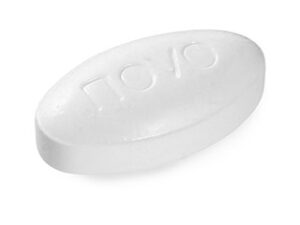
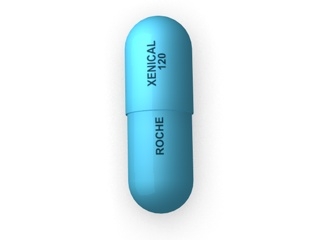
| Typical formulation | Oral capsules or tablets containing orlistat (commonly 60 mg or 120 mg depending on strength/product) |
| When it’s taken | With meals that contain fat (or up to ~1 hour after) |
| Best results | Used with a reduced-calorie, balanced diet and sensible portion control |
Note: Availability and strength can vary by product. Always follow the specific instructions on your pack and any advice from your pharmacist.
How Orlistat works (mechanism of action)
Orlistat acts in the gastrointestinal tract. It inhibits pancreatic and gastric lipases—the enzymes responsible for breaking down dietary fats into smaller components that can be absorbed.
- When lipase enzymes are blocked, less fat is digested.
- As a result, less fat is absorbed through the intestine.
- Undigested fat is mainly excreted in the stool.
What this means for you: Orlistat is most effective when your meals contain less total fat overall, and when you consistently follow a lower-calorie eating plan. If your diet remains high in fat, you may still absorb some fat, and side effects may be more likely.
Pharmacokinetics (how your body handles Orlistat)
Understanding pharmacokinetics helps explain why Orlistat tends to have fewer whole-body effects compared with some weight-loss medicines.
- Absorption: Orlistat is poorly absorbed from the gut. Most of its action occurs locally in the digestive tract.
- Distribution: Because absorption is low, systemic distribution is limited.
- Metabolism: Any absorbed fraction is metabolised mainly in the intestinal wall and liver.
- Excretion: Orlistat and its metabolites are eliminated primarily via faeces. A smaller amount is excreted via urine.
Practical implication: Since systemic absorption is limited, many side effects relate to the presence of fat in the stool rather than changes throughout the body.
Typical use and lifestyle role
Orlistat is intended as part of a weight management plan that includes:
- a calorie-reduced diet
- regular physical activity
- behaviour changes to support long-term weight control
For many people, Orlistat helps reduce weight more than lifestyle changes alone. Results vary, but consistent use with appropriate diet is key.
Indications (who it’s for)
In Australia, Orlistat-containing products are used for weight management in adults and, depending on product strength and label, may be indicated for other age groups. Indications can vary by product and dose.
Common reasons Orlistat may be used:
- Management of overweight in people who need help with weight reduction
- Weight management as part of a broader plan to improve health-related outcomes
Important: Always check the exact indication on your specific Orlistat pack and consult a pharmacist if you’re unsure whether it is suitable for you.
Dosing: how to take Orlistat
Dosing depends on the product strength. Many OTC products in some regions contain 60 mg, while prescription-strength options often contain 120 mg. In Australia, the available products and dosing schedules may differ by brand and strength.
General dosing approach:
- Take Orlistat with each main meal that contains fat.
- Usually, take it during the meal or just after.
- If you miss a dose, skip it—do not take extra to “catch up”.
Typical timing guidance (common practice):
- If you take the meal within a short window, you can often take Orlistat up to about 1 hour after the meal. If more time has passed, follow your pack instructions.
- If you skip a meal or the meal has no fat, you can generally skip the dose.
Maximum daily dose: Follow the dose limits on the pack or from your pharmacist.
Timing and meal planning tips
Orlistat works on fats present in the gastrointestinal tract at the time of the meal. For best results and fewer side effects:
- Plan meals with controlled fat (moderate fat is usually better than very high-fat meals).
- Take Orlistat consistently with main meals rather than occasionally.
- If you frequently eat high-fat foods, you may experience stronger gastrointestinal effects.
Choosing lower-fat options: You may find it easier to follow Orlistat’s “logic” if you aim for lean proteins, smaller portions of fatty foods, and more vegetables and whole grains.
Food interactions: what to know
Because Orlistat targets dietary fat, food interactions are mainly about fat content, not specific foods.
- Higher-fat meals can increase fat malabsorption and lead to more stool-related side effects (e.g., urgency, oily stools, increased frequency).
- Lower-fat meals often reduce these effects.
General diet considerations:
- Choose a balanced calorie deficit rather than relying on Orlistat alone.
- Ensure adequate intake of key nutrients, especially fat-soluble vitamins (see below).
Fat-soluble vitamins and nutrition
Since Orlistat reduces fat absorption, it may reduce absorption of some nutrients, particularly:
- Vitamins A, D, E, and K
Common practical advice: Many patients use a multivitamin supplement. If you choose to take vitamins:
- Take vitamins at least 2 hours before or after Orlistat (follow the pack directions for your specific product).
- Use a supplement that includes fat-soluble vitamins in appropriate amounts.
- Check with a pharmacist if you are pregnant, breastfeeding, have a medical condition affecting absorption, or use other medicines regularly.
Alcohol interactions
Orlistat does not have a well-known direct interaction with alcohol in the way some medicines do. However, alcohol can affect weight management in other ways:
- Alcohol adds extra calories and may make calorie control harder.
- Alcohol can contribute to stomach irritation for some people, which may worsen gastrointestinal symptoms during treatment.
Practical guidance: If you drink alcohol, keep it moderate and consider lower-fat meal choices to reduce the chance of side effects.
Medicine interactions (including important examples)
Orlistat can affect the absorption of certain medicines because it changes fat digestion and absorption. Some medications require careful spacing.
Always tell your pharmacist about all medicines you use, including supplements, herbal products, and occasional medicines.
Common interaction considerations
- Fat-soluble vitamins and supplements: may be less absorbed without timing adjustment.
- Levothyroxine: thyroid medicine may require spacing; discuss with a pharmacist.
- Oral anticoagulants (blood thinners) such as warfarin: monitoring (e.g., INR) may be needed in some cases—seek advice before starting Orlistat.
- Antiepileptic medicines: if you have epilepsy or take anti-seizure medicines, ask for individual guidance.
- Other weight-loss or fat-absorption–related products: combining products may increase side effects and require extra nutritional support.
Spacing principle: If your pharmacist advises spacing, it’s commonly done by taking other medicines at a set distance from Orlistat—often at least 2 hours before or after, but this can vary by medicine.
Do not stop any prescribed medicine without medical advice.
What to expect: safety profile and common side effects
Because Orlistat causes undigested fat to pass through the intestine, gastrointestinal side effects are the most common.
Common side effects
- Oily or fatty stools
- Increased bowel movement frequency
- Stool urgency
- Gas with possible oily discharge
- Abdominal discomfort or cramping
- Flatulence
Tip: These effects are often less frequent when meals are lower in fat.
Less common but important symptoms
- Severe or persistent diarrhoea
- Bleeding, severe abdominal pain, or signs of dehydration
- Allergic reactions (such as swelling, rash, or difficulty breathing)
Seek urgent medical help if you experience symptoms of a serious allergic reaction or severe worsening illness.
Who should use extra caution?
Discuss use with a pharmacist or clinician if you:
- have chronic bowel conditions (e.g., inflammatory bowel disease)
- have significant liver or kidney issues
- are pregnant or breastfeeding
- have malabsorption problems
- are underweight or have a history of eating disorders
Practical use tips (to improve results and comfort)
- Keep meals moderate in fat: The most reliable way to reduce gastrointestinal side effects is adjusting the fat content of meals.
- Don’t skip the meal timing: Take it with the main meal rather than long after.
- Use nutrition support: Consider taking a suitable multivitamin with fat-soluble vitamins, spaced appropriately from Orlistat.
- Stay hydrated: If stools become loose, fluid intake may help prevent dehydration.
- Plan ahead for social situations: Some people feel effects early in treatment—consider timing doses around meals at home at first.
- Track progress: Weigh yourself consistently (e.g., weekly) and consider waist measurements, not only daily scale changes.
- Give it time: Changes may be gradual; however, if you see no benefit after a few months, speak with a healthcare professional to reassess the plan.
Alternative options for weight management
Orlistat is one approach to weight management. Depending on your health profile, preferences, and availability, alternatives may include:
- Lifestyle-based programs: structured diet plans, calorie tracking, and exercise programmes.
- Other weight management medicines: some medicines work through appetite regulation or other pathways—these should be assessed with professional guidance.
- Over-the-counter options: fibre-based products or appetite-support supplements may be considered (effectiveness varies).
- Behaviour and coaching support: counselling, group programmes, or digital coaching can improve long-term adherence.
Important: If you’re considering switching treatments, allow time for nutrition planning and medication review, especially if you take other regular medicines.
Market and legal context for Australia
In Australia, weight management products are regulated under the Therapeutic Goods Administration (TGA) framework. Availability of Orlistat products can vary by:
- strength (e.g., 60 mg vs 120 mg depending on product)
- classification and supply category (how the product is supplied in the market)
- label directions for the specific consumer product
Many pharmacies and online pharmacies supply non-prescription options where legally permitted, and pharmacists can provide advice on suitability, dosing, and interactions. Always ensure you purchase from a legitimate Australian supplier and check the product packaging for TGA-related listing and directions for use.
Recent guidance and best-practice considerations
Weight management guidance in Australia commonly emphasises that medicines (including Orlistat) are most effective when combined with:
- dietary changes that reduce energy intake
- regular physical activity
- behavioural strategies to support long-term adherence
- monitoring for side effects and nutritional adequacy
As recommendations can evolve, it’s a good idea to check the latest advice from reputable clinical sources or consult a pharmacist if you have medical conditions or are taking other medicines.
Delivery, availability, and packaging
Online pharmacy availability may differ by brand and strength. Typical steps when ordering include:
- Choose the correct product strength and pack size.
- Review label directions for dosing and warnings.
- Confirm that the product is suitable for your age group and medical situation as per the label.
- Place your order and check delivery estimates during checkout.
What you should receive: Orlistat products are usually supplied in sealed packaging containing clear instructions, including how to take it with meals and what side effects to watch for.
Storage: Store as directed on the label (commonly in a cool, dry place away from direct sunlight).
FAQ: Orlistat questions people ask
1) How fast does Orlistat work?
Orlistat starts working during digestion in the gut—when you take it with a meal, it acts on the fats in that meal. You may notice gastrointestinal effects shortly after eating, especially with higher-fat foods.
2) Will Orlistat stop me from absorbing all fat?
Orlistat reduces absorption of dietary fat, but it does not always eliminate fat absorption completely. The extent of effect varies with dose, meal fat content, and individual digestion.
3) What are the most common side effects?
The most common side effects are stool-related, such as oily or fatty stools, increased bowel frequency, urgency, gas, and abdominal discomfort—especially when meals contain more fat.
4) What should I do if I miss a dose?
If you miss a dose, take it only if you are still within the timing window described on your pack and you are having a fat-containing main meal. Otherwise, skip and continue with the next meal. Do not double up.
5) Can I take Orlistat with my multivitamin?
Often yes, but timing matters. A common approach is to take multivitamins at least 2 hours before or after Orlistat. Follow your product label and pharmacist advice.
6) Does Orlistat interact with birth control (contraception)?
Orlistat mainly affects fat digestion; however, if severe diarrhoea occurs from any cause, it can affect absorption of some oral medicines. If you have concerns about contraception, speak with a pharmacist for individual guidance.
7) Can I drink alcohol while using Orlistat?
There is no widely recognised direct interaction, but alcohol can add calories and may worsen stomach upset in some people. Moderation is recommended.
8) Is Orlistat suitable for everyone?
No. You should check suitability with a pharmacist, especially if you have bowel disease, malabsorption conditions, pregnancy/breastfeeding, or take medicines that may interact.
9) Will Orlistat cause weight loss for everyone?
Orlistat can help weight loss when used with diet and activity changes, but results vary. People who consistently reduce dietary fat and calories tend to do better.
10) When should I stop and seek help?
Seek medical advice promptly if you experience severe abdominal pain, persistent severe diarrhoea, signs of dehydration, bleeding, or symptoms of allergy (such as swelling or difficulty breathing).
Summary
Orlistat is a weight management medicine that works locally in the gut to reduce fat digestion and absorption. Its main effects—and most common side effects—are gastrointestinal, especially when meals are higher in fat. When combined with a calorie-reduced diet, controlled fat intake, and regular physical activity, Orlistat may support meaningful weight loss and weight maintenance.
If you have any questions about dosing, nutrition, or interactions with your existing medicines, speak to a pharmacist before starting Orlistat.