

Xenical (Orlistat) – Patient Information (Australia)
Xenical contains orlistat, a medicine used to help with weight management. It works in the gut by reducing the absorption of dietary fat, which can contribute to weight loss when combined with a reduced-calorie diet and regular physical activity. This page explains how Xenical works, how to use it safely, what to expect, and important interactions—tailored for customers in Australia.
Basic product information
| Item | Details |
|---|---|
| Medicine | Xenical (orlistat) |
| Type | Weight management medicine (fat absorption inhibitor) |
| How it works | Blocks breakdown/absorption of some dietary fats in the intestine |
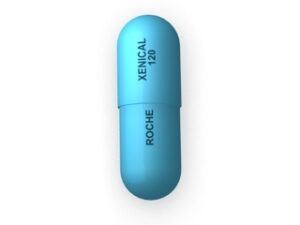
| Typical strength | Often supplied as 120 mg capsules (varies by product line) |
| Where it acts | Gastrointestinal tract (local action) |
| Key use | Weight loss management in adults in combination with lifestyle changes |
How Xenical works (mechanism of action)
Orlistat works by inhibiting enzymes called lipases that are needed to break down dietary fat in the small intestine. Normally, fat from food must be digested into smaller components before it can be absorbed into the bloodstream. By blocking these enzymes, Xenical helps to reduce the amount of dietary fat absorbed.
- Less fat absorbed from meals
- More fat passes through the digestive tract
- Supports weight loss by reducing the calorie contribution from fat
Because it targets meal fat, results depend strongly on what and how you eat. A lower-fat diet generally makes side effects easier to manage.
Pharmacokinetics (how the body handles it)
Xenical is designed to act locally in the gastrointestinal tract. Its absorption into the bloodstream is limited.
- Absorption: Low systemic absorption.
- Metabolism: Orlistat is primarily metabolised in the gastrointestinal tract; small amounts are present in circulation.
- Excretion: The majority is eliminated via the faeces (with unabsorbed drug and metabolites).
- Onset: Begins acting with fat in the meal, so timing with food is important.
If you have liver or kidney impairment, it is still important to discuss suitability with a healthcare professional, particularly if you take other medicines or have complex health conditions.
What Xenical is used for (indications)
Xenical is used as part of a weight management plan for:
- Weight loss and weight management in adults with obesity or overweight with associated risk factors, alongside a reduced-calorie diet.
- Weight maintenance after initial weight loss as advised by your prescriber and supported by ongoing lifestyle changes.
Your clinician may set goals and review progress after several weeks of treatment. Medicines like Xenical are typically considered when lifestyle changes alone have not been sufficient.
Who should not take Xenical (important contraindications)
Do not use Xenical if you have:
- Known allergy to orlistat or any ingredient in the product
- Cholestasis (reduced bile flow) or certain malabsorption conditions (seek individual advice)
- Severe malnutrition (nutrient absorption concerns)
If you are pregnant, breastfeeding, or considering treatment in a child or adolescent, talk to a healthcare professional for suitability.
Typical dosing and timing
The effectiveness of Xenical depends on taking it with meals that contain fat.
Adults (typical regimen)
- Dose: commonly 120 mg three times daily.
- Timing: take with each main meal.
- Meal rule: take with food that includes fat.
- Missed dose: if you skip a meal or the meal has no fat, you usually do not need that dose.
To use it correctly:
- Have your meal.
- Take Xenical during the meal or up to about 1 hour after starting the meal (follow your product instructions).
- Repeat with each main meal as prescribed.
Practical examples
- Breakfast: cereal with milk may contain some fat; if it’s a main meal for you, take your dose with it.
- Lunch: a meal with chicken, oil, cheese, or takeaway sauces generally counts as fat-containing.
- Snack: doses are typically for main meals, not small snacks—follow your clinician’s instructions.
How long to try Xenical
Weight management medicines work best when assessed as part of an overall plan. Your healthcare professional may review your response after a period of treatment (often within the first 2–3 months) and decide whether to continue based on progress and tolerability.
Food interactions and dietary guidance
Xenical interacts with the fat content of your meals. The more fat you eat, the more unabsorbed fat may reach the colon—this can increase gastrointestinal side effects.
What to eat (general guidance)
- Choose a reduced-calorie diet appropriate for your goals.
- Be mindful of fat intake—many people find results and tolerability improve with a moderate-to-lower fat intake.
- Include plenty of fibre (fruits, vegetables, whole grains) and adequate fluids.
- Balance nutrients to avoid deficiencies.
How to reduce common side effects
Common side effects are often linked to dietary fat (see “Safety profile” below). Practical steps include:
- Spread fat intake across meals (avoid large fatty meals).
- Limit high-fat takeaways (pizza, chips, creamy sauces) if side effects occur.
- Follow meal timing closely with your dose.
Alcohol interactions
Alcohol does not directly “cancel out” Xenical’s fat-absorption effect, but it can affect your overall health, eating patterns, and medication tolerance. Alcohol may:
- Increase the likelihood of eating higher-fat foods (e.g., with alcohol-related meals)
- Worsen gastrointestinal symptoms in some people
- Increase dehydration risk if diarrhoea occurs
If you drink alcohol, consider keeping it moderate and monitor how your gut responds—particularly during the first weeks of treatment. If you experience severe diarrhoea or dehydration, seek medical advice promptly.
Medicine interactions (including supplements)
Because Xenical affects fat absorption, it can also reduce absorption of certain fat-soluble vitamins and some medicines that rely on intestinal absorption. It is important to discuss all medicines and supplements you take (including vitamins, herbal products, and frequent pain relief).
Fat-soluble vitamins
Xenical may reduce the absorption of vitamin A, vitamin D, vitamin E, and vitamin K. A practical approach is often to take a multivitamin supplement containing these vitamins.
- Timing matters: take vitamins at least 2 hours before or at bedtime (separate from Xenical), unless your clinician advises otherwise.
- Choose the right product: ensure it provides adequate fat-soluble vitamins.
Oral anticoagulants (blood thinners)
There have been reports of changes in international normalised ratio (INR) with warfarin when taken with orlistat. This does not necessarily happen to everyone, but monitoring is important.
- If you take warfarin or other anticoagulants, talk to your healthcare professional and follow any extra INR monitoring plan.
Other important medicines
Because absorption can be affected in the gut, separate dosing schedules may be recommended for certain medicines. Always check with a healthcare professional if you take:
- Medicines with narrow therapeutic windows
- Antiretroviral therapy, thyroid hormones, anti-seizure medicines, or transplant-related medicines
- Fat-soluble supplements or high-dose vitamins
A pharmacist can help review your current list and suggest appropriate spacing.
Safety profile: common and serious side effects
Xenical’s most common effects are gastrointestinal and often relate to the amount of fat in your meals. Many people experience mild symptoms early in treatment, which may improve with consistent use and dietary adjustment.
Common side effects
- Oily spotting or increased oily discharge
- Flatulence with possible urgency
- Greasy/oily stools
- Frequent bowel movements
- Stomach discomfort or cramping
- Diarrhoea
What to do if you get side effects
- Reduce dietary fat (especially large fatty meals)
- Ensure you take capsules with main meals
- Stay hydrated, particularly if diarrhoea occurs
- Consider discussing symptoms with a pharmacist if they persist or are severe
Serious side effects (seek medical advice urgently)
Contact a healthcare professional urgently if you experience:
- Severe or persistent diarrhoea, signs of dehydration, or blood in stool
- Severe abdominal pain
- Allergic symptoms such as swelling of the face/lips, trouble breathing, or widespread rash
- Signs of liver issues (e.g., yellowing of eyes/skin, dark urine)
Nutrient deficiency concerns
Over time, reduced absorption of fat-soluble vitamins may contribute to deficiency if vitamins are not taken or if diet is inadequate. Using a suitable multivitamin plan (with correct timing) helps reduce this risk.
Practical use tips (to get the best results)
- Take it consistently with the right meals: dosing is linked to main meals containing fat.
- Plan your meals: if you know a meal will be high-fat, expect a higher chance of oily stools or urgency.
- Use a vitamin strategy: consider a multivitamin with fat-soluble vitamins, timed away from Xenical.
- Keep hydrated: diarrhoea can lead to fluid loss.
- Track your progress: focus on weight trend and wellbeing, not only day-to-day changes.
- Combine with lifestyle changes: sustainable weight management typically requires nutrition and activity changes.
What “success” looks like
Weight loss may be gradual. Many people see better results when they: reduce overall calorie intake, choose lower-fat food options, and remain active (walking, strength exercises, and other activities).
Alternative options for weight management
If Xenical isn’t suitable or doesn’t provide the results you need, other approaches may be considered. Options vary and may include different classes of medicines and non-medicine strategies.
Diet and lifestyle alternatives
- Structured nutrition plans (calorie control with balanced macros)
- Physical activity programs tailored to your health status
- Behavioural support (goal setting, meal planning, stress and sleep management)
Medication alternatives (discuss suitability)
Depending on your health profile and local availability, clinicians may discuss other medicine options for weight management. Examples may include appetite-regulating medicines or other targeted treatments. Your pharmacist or doctor can help compare benefits, side effects, and interaction risks.
Note: Availability and criteria can vary, so always rely on current local information when considering alternatives.
Market and legal context in Australia
In Australia, medicines are regulated by the Therapeutic Goods Administration (TGA). Weight management products are generally supplied based on Australian scheduling rules, product registration, and indications. For safety, claims and marketing are expected to align with approved product information and current regulations.
When purchasing online, ensure the product is sourced from an approved and reputable supplier and that you select the correct product strength and formulation. In Australia, product labels and consumer medicines information (CMI) provide essential details.
Recent guidance (general themes)
- Greater emphasis on individualised assessment for suitability and monitoring.
- Improved patient education regarding dietary fat management to reduce gastrointestinal side effects.
- Awareness of nutrient supplementation, particularly for fat-soluble vitamins when using fat-absorption inhibitors.
- Ongoing focus on interaction screening (e.g., anticoagulants and other important medicines).
Guidance can evolve. For the latest updates, check the Australian product information/CMI or consult a healthcare professional.
Delivery and availability (online pharmacy)
Xenical availability may vary by supplier and demand. When ordering from an online pharmacy in Australia, you can usually expect:
- Clear stock status shown on the product page
- Secure packaging to protect capsules from moisture and damage
- Australia-wide delivery options depending on courier service and location
- Tracking for many orders
If you need it quickly, look for delivery estimates and consider choosing express options where available. Keep an eye on expiry dates listed on the packaging.
FAQ
1) Does Xenical work if I eat no fat?
Xenical is designed to act on dietary fat. If a meal contains little or no fat, the expected effect is smaller, and side effects related to fat in the gut are also less likely. If you skip a meal, your routine dose with that meal may not be required—follow the instructions provided with your product or by your healthcare professional.
2) How quickly will I notice results?
Weight changes typically happen over weeks rather than days. Some people may notice bowel changes early, but meaningful weight loss is generally gradual and depends on diet adherence and activity.
3) What side effects are most common?
The most common side effects are gastrointestinal, such as oily spotting, flatulence with urgency, changes in stool, and diarrhoea—especially after higher-fat meals.
4) Should I take vitamins with Xenical?
Many people take a multivitamin containing fat-soluble vitamins (A, D, E, K) while using Xenical. It’s important to separate vitamin dosing from Xenical (often by taking vitamins at least 2 hours before Xenical or at bedtime) to improve absorption. Your healthcare professional can confirm what’s appropriate for you.
5) Can I take Xenical with other weight-loss products?
You should avoid starting multiple weight-loss medicines without medical advice due to increased risk of side effects and interaction issues. Discuss your plan with a healthcare professional to ensure safety and effectiveness.
6) Is Xenical safe long-term?
Some people use Xenical as part of longer-term weight management under ongoing monitoring. Long-term use requires attention to diet quality, hydration, vitamin supplementation, and review of progress and side effects.
7) Does Xenical interact with warfarin or blood thinners?
Possible changes in INR have been reported with orlistat and warfarin. If you take anticoagulants, you should speak with a healthcare professional and follow any extra monitoring recommendations.
8) What should I do if I miss a dose?
If you miss a dose, take it with your next main meal as instructed. Do not take extra capsules to make up for a missed dose.
9) Can I drink alcohol while taking Xenical?
Alcohol is not a direct “interaction” in the same way as some medicines, but it may worsen gastrointestinal effects and influence your eating choices. If you choose to drink, keep it moderate and watch for diarrhoea or dehydration.
10) When should I contact a clinician?
Contact a healthcare professional promptly if you have severe or persistent diarrhoea, signs of dehydration, allergic symptoms, significant abdominal pain, or symptoms that worry you. Seek urgent care for severe reactions.