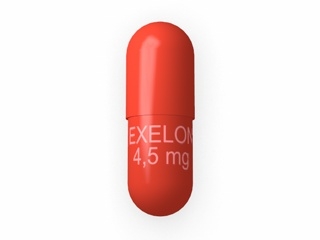

Exelon (Rivastigmine Tartrate) — Patient Information (Australia)
Exelon contains rivastigmine tartrate, a medicine used to treat symptoms of certain types of dementia. This page explains how Exelon works, when it’s usually taken, common side effects, safety considerations, and practical tips for getting the most benefit while minimising discomfort.
Important: This information is general and cannot replace individual advice from your doctor or pharmacist. If you have questions about whether Exelon is right for you, or if you notice worsening symptoms or severe side effects, seek medical advice promptly.
Basic product information
| Product name | Active ingredient | Therapeutic use | Common form(s) in Australia |
|---|---|---|---|
| Exelon | Rivastigmine tartrate | Dementia symptom treatment | Capsules (and/or other marketed formulations such as patch depending on brand availability) |
What Exelon is used for: It is most commonly prescribed for Alzheimer’s disease and dementia related to Parkinson’s disease, in order to help maintain day-to-day thinking and memory functions for as long as possible.
How Exelon works (mechanism of action)
Rivastigmine is a cholinesterase inhibitor. It works by increasing levels of a brain chemical called acetylcholine, which is involved in memory and thinking.
Specifically, rivastigmine inhibits enzymes that break down acetylcholine:
- Acetylcholinesterase (AChE)
- Butyrylcholinesterase (BuChE)
By slowing the breakdown of acetylcholine, Exelon may help improve or stabilise symptoms, including aspects of memory, attention and behaviour in some people.
Typical use and who it’s for
Exelon is used to treat symptoms of dementia associated with:
- Alzheimer’s disease (mild to moderately severe stages, depending on local prescribing practice)
- Parkinson’s disease dementia (mild to moderately severe stages, depending on local prescribing practice)
For many individuals, the goal is symptom relief rather than cure. Benefits vary from person to person. Some people notice improvement or slower decline; others may have minimal effect.
When to take Exelon (timing and routine)
Exelon dosing is typically started at a low level and increased gradually. Taking the medicine consistently helps reduce side effects, especially stomach-related effects.
- Take it at the times your doctor/pharmacist recommends.
- Try to take each dose with food if your clinician recommends it to reduce nausea/vomiting.
- Use a consistent schedule (e.g., morning and evening if twice daily).
Missed dose (general guidance): If you miss a dose, take it when you remember unless it’s close to the next dose. Avoid doubling up. If you miss several doses, advice should be sought before restarting, because re-titration may be needed.
Food interactions and taking with meals
Food can influence how comfortable Exelon feels in the body, especially early in treatment.
- Taking with food may reduce nausea and vomiting.
- When adjusting or increasing dose, follow the same timing pattern consistently.
Practical tip: If you’re prone to nausea, many people find it easier to take Exelon during/after a meal rather than on an empty stomach. If nausea persists, speak to a pharmacist or doctor—dose adjustment may be possible.
Alcohol interactions
There is no single “safe” amount of alcohol for everyone taking Exelon. Alcohol can worsen confusion, dizziness, balance problems and drowsiness, which may be more likely in older adults or those with dementia.
- Avoid or limit alcohol while you’re adjusting to Exelon, especially during the first weeks.
- If you drink alcohol, do so cautiously and consider whether you notice increased side effects.
Seek advice if alcohol triggers fainting, severe dizziness, vomiting, or behavioural changes.
Medicine interactions (other medicines and key precautions)
Exelon can interact with medicines that affect the nervous system, heart rate, or the digestive system. It can also increase the risk of side effects when combined with certain drugs.
Tell your pharmacist or doctor about all medicines you use, including:
- Other medications for dementia
- Medicines for Alzheimer’s or other cholinesterase inhibitors
- Anticholinergic medicines (which may oppose cholinesterase inhibitor effects)
- Medicines that affect heart rate (e.g., certain beta-blockers, some antiarrhythmics)
- Drugs that may cause nausea, vomiting or GI upset
- Medicines for urinary problems (antimuscarinics/anticholinergics)
- Over-the-counter products, vitamins, and herbal supplements
Specific interaction points to be aware of:
- Bradycardia (slow heart rate): Exelon may contribute to slower heart rate. Caution is needed if you take medicines that also slow heart rate.
- Anticholinergic medicines: These may reduce the effect of Exelon. Your clinician may reassess which medicines are best for symptom control.
- Medicines that prolong QT: If you take heart rhythm medicines, discuss risk factors with your clinician.
Always check before starting or stopping medicines. In particular, avoid “double therapy” with other dementia medicines unless your clinician specifically recommends it.
Pharmacokinetics (how the body handles rivastigmine)
Pharmacokinetics describes absorption, distribution, metabolism and elimination—how the medicine moves through the body.
- Absorption: Rivastigmine is absorbed after administration. Consistent dosing is important for symptom control and tolerability.
- Metabolism: Rivastigmine is primarily metabolised through cholinesterase-mediated pathways (a process involving the very target enzymes). This contributes to its characteristic metabolism.
- Elimination: Metabolites are eliminated mostly via the kidneys.
- Half-life: The effect-related kinetics can differ from plasma elimination times; overall symptom benefit is driven by enzyme inhibition and functional response.
Because rivastigmine is metabolised extensively and has a dosing-dependent tolerability profile, your clinician will typically adjust dose slowly and monitor side effects.
Indications (approved reasons to use Exelon)
Exelon is indicated for the treatment of dementia in people with:
- Alzheimer’s disease
- Parkinson’s disease dementia
Suitability depends on stage/severity, overall health and other treatments. A clinician will confirm the diagnosis and determine an appropriate dosing plan.
Dosing (general information)
Important: Dose and titration schedules vary by individual and by formulation (capsule vs other forms). Always follow the plan provided by your healthcare professional and the medicine’s packaging instructions.
General approach:
- Start low to reduce nausea, vomiting, and other side effects.
- Increase gradually at intervals (often every few weeks) based on tolerability and symptom response.
- If side effects occur, the clinician may reduce dose or pause titration.
How to take the capsules (if using capsule form):
- Swallow whole with water.
- Take at the recommended times, usually with food as advised.
- Do not crush or chew unless specifically instructed for that product.
Missed doses and restarting:
- If you miss doses for more than a short interval (for example, several days), the body may become sensitive again. Your clinician/pharmacist may recommend restarting at the lowest dose and titrating up.
Safety profile (what to expect and when to seek help)
Like all medicines, Exelon can cause side effects. Many are more common during dose increases and may lessen as your body adjusts.
Common side effects
- Nausea
- Vomiting
- Diarrhoea or stomach upset
- Loss of appetite
- Dizziness
- Headache
- Fatigue
- Weight loss (more noticeable over time in some people)
Less common but important risks
- Slow heart rate (bradycardia), fainting or feeling like you may faint
- Falls, especially if you feel dizzy
- Dehydration if vomiting/diarrhoea becomes significant
- Sleep disturbance or unusual dreams
- Muscle cramps or general weakness
When to seek urgent medical attention
- Fainting or severe dizziness
- Severe vomiting, inability to keep fluids down, signs of dehydration (very dry mouth, minimal urination)
- Chest pain, severe shortness of breath, or an irregular/very slow heartbeat
- Allergic reaction symptoms such as facial swelling, rash with breathing difficulty
Practical use tips for better tolerance
Many people do better on Exelon when they use a few simple strategies—particularly during the first weeks of treatment or after dose increases.
- Take with food if advised or if nausea is an issue.
- Stay hydrated, especially during dose changes.
- Monitor weight weekly or as recommended; appetite loss can lead to weight changes.
- Be cautious about falls: stand up slowly, watch for dizziness, and ensure safe walking areas.
- Keep a symptom diary: note nausea, sleep changes, bowel habits, dizziness and appetite changes. This helps your clinician adjust dosing appropriately.
- Don’t stop suddenly without advice: if you stop, symptoms may worsen over time. Discuss any concerns promptly.
- Use pill organisers carefully: ensure the correct dose and timing, particularly if taking multiple medications.
Alternative options (if Exelon isn’t suitable)
Dementia treatments vary by diagnosis, severity, comorbidities and tolerability. If Exelon is not well tolerated or does not provide the desired benefit, clinicians may consider other options.
Possible alternatives include:
- Other cholinesterase inhibitors for Alzheimer’s and related dementias (e.g., donepezil or galantamine, depending on suitability)
- Memantine for moderate-to-severe Alzheimer’s disease (often considered depending on stage and existing therapies)
- Non-drug supports such as cognitive stimulation, structured routines, sleep optimisation and caregiver support
Switching medicines: If changing from one medicine to another, timing and titration may be carefully planned to reduce side effects and maintain benefit.
Market and legal context for Australia (overview)
In Australia, Exelon (rivastigmine tartrate) is regulated under the national medicines framework. Availability, prescribing requirements and pharmacy dispensing rules are determined by Australian regulators and relevant guidelines.
Pharmacy dispensing and availability:
- Exelon is typically supplied through licensed pharmacies.
- Stock levels and presentation strengths can vary by region and supplier.
- Some formulation types may be more commonly available than others; your pharmacist can confirm the specific product available.
Brand and generic naming: Exelon refers to the branded product containing rivastigmine tartrate. Your pharmacist can advise on whether there are branded equivalents or alternative products with the same active ingredient.
Recent guidance and clinical monitoring (what clinicians commonly do)
Ongoing dementia care is individual and may include reviews of benefits versus side effects. While specific recommendations change over time, common clinical practice includes:
- Regular follow-up soon after starting and after each titration step
- Assessment of GI side effects (nausea, vomiting, diarrhoea) and impact on nutrition/hydration
- Heart rate and fainting risk assessment, particularly in people with cardiovascular conditions or those on interacting medicines
- Functional monitoring (day-to-day functioning, attention, behaviour) to decide whether to continue treatment
- Caregiver input to understand subtle changes in behaviour, appetite, sleep and mobility
If you are under ongoing care, ask about the planned schedule for reviews and what symptoms to report between visits.
Delivery and availability (online pharmacy considerations)
Online pharmacies aim to make it easier to order eligible medicines and receive them safely and on time. Availability can vary by stock status and formulation (for example, capsule vs other forms).
Typical steps when ordering online:
- Confirm the exact product and strength required.
- Double-check your delivery address details.
- Allow for processing and transit time.
- Keep packaging and patient information for future reference.
Storage: Follow the storage instructions on the pack (commonly store at room temperature away from moisture and heat). Keep medicines out of reach of children.
Contact your pharmacist if you have not received your medication or if the packaging/labels look damaged.
FAQ
1) What is Exelon used for?
Exelon (rivastigmine tartrate) is used to treat symptoms of dementia, particularly in people with Alzheimer’s disease and Parkinson’s disease dementia.
2) How long does Exelon take to work?
Some people notice changes after dose increases, while others may need several weeks to judge whether there is benefit. Your clinician may assess response during follow-up visits. If there is no meaningful improvement or if side effects are problematic, treatment may be reassessed.
3) Should I take Exelon with food?
Many people find it easier to tolerate Exelon with food. Food can reduce nausea and vomiting in some individuals. Follow your personalised dosing instructions.
4) Can I drink alcohol while taking Exelon?
Alcohol may increase dizziness, confusion and risk of falls. It’s best to avoid or limit alcohol—especially early in treatment or if you’ve had side effects. Discuss your situation with your pharmacist or doctor.
5) What if I miss a dose?
Take the missed dose when you remember unless it is close to the next dose. Do not double up. If you miss several doses, get advice before restarting because you may need to titrate again.
6) What are the most common side effects?
Common side effects include nausea, vomiting, diarrhoea, loss of appetite, dizziness and fatigue. These often occur more during dose increases.
7) When should I contact a doctor urgently?
Seek urgent advice if you have fainting, severe dizziness, inability to keep fluids down, signs of dehydration, symptoms of an allergic reaction, or significant heart-related symptoms (very slow heartbeat, chest pain, severe breathlessness).
8) Are there medicines that shouldn’t be taken with Exelon?
Some medicines can affect Exelon’s safety or effectiveness, including certain anticholinergic medicines and medicines that may slow heart rate. Always provide a full list of your medicines and supplements to your pharmacist.
9) Can Exelon cause weight loss?
Yes, some people experience reduced appetite and subsequent weight loss. Monitoring appetite and weight can help detect problems early. If weight loss is significant, talk to your clinician.
10) Are there alternatives if Exelon doesn’t suit me?
Possible alternatives may include other dementia medicines such as donepezil, galantamine or memantine, depending on your diagnosis and stage, as well as non-drug supportive approaches. Your pharmacist can discuss options suitable for you.
Need help choosing the right option? If you’re unsure about dosing schedule, side effects, or how to manage missed doses, contact your pharmacist. They can also advise on safe storage and interactions with your other medicines.